

Last updated: July 14, 2026
Body feminization surgery encompasses recent peer-reviewed research strengthening clinical evidence for gender-affirming procedures. A 2025 study protocol published in JMIR Publications examines quality of life outcomes following facial feminization surgery in transgender women, providing valuable insights that extend to body contouring. For patients in the Seattle and Bellevue areas exploring body feminization surgery, this growing body of research offers reassuring validation of the transformative potential these procedures can provide.
What Is Body Feminization Surgery?
Body feminization surgery encompasses a range of surgical procedures designed to create a more feminine silhouette by addressing features that develop under androgen influence during puberty. These procedures target areas including the waist, hips, buttocks, and chest to create the curvier proportions many transgender women desire as part of their transition journey.
Why Do Patients Seek Body Feminization Procedures?
Patients seek body feminization procedures to align their physical appearance with their gender identity, addressing body characteristics that may cause gender dysphoria. For many transgender women, masculine-distributed fat and skeletal structure create a body shape that feels incongruent with their internal sense of self. These procedures can provide significant psychological relief and improved quality of life when combined with appropriate support.
How Does Body Feminization Differ From Facial Feminization?
While facial feminization surgery focuses on softening masculine features of the face – including the brow ridge, nose, and jaw – body feminization surgery addresses the torso and trunk regions. Facial procedures often serve as the first consideration for many patients due to their visibility, but body contouring provides the overall silhouette transformation that completes the transition picture for many individuals.
What Does the 2025 FFS Quality of Life Research Tell Us?
New research from 2025 provides clinical validation for gender-affirming surgery approaches, with findings that support the broader field of feminization procedures including body contouring. This peer-reviewed study offers objective measurement of how surgical interventions impact patient wellbeing, providing measurable data that extends to body feminization surgery outcomes.
How Was the 2025 Study on Facial Feminization Surgery Conducted?
Researchers at the University of Chile’s Faculty of Dentistry and Hospital San Juan de Dios published a cohort study protocol in October 2025 examining facial feminization surgery outcomes. The study employs validated quality of life instruments to measure patient-reported outcomes, using a structured prospective design that will track participants over time to capture meaningful changes in wellbeing.
What Quality of Life Outcomes Did the Study Measure?
The study measures multiple dimensions of patient wellbeing including psychological functioning, social comfort, and overall life satisfaction. Researchers utilize standardized instruments validated for transgender populations, allowing for objective comparison of pre-operative and post-operative states. This approach provides the kind of measurable data that supports clinical decision-making.
Why Does This Research Matter for Body Feminization Patients?
This research validates the clinical importance of gender-affirming body procedures by demonstrating measurable quality of life improvements. The study design and methodology can inform future research into body feminization outcomes. For patients considering these procedures, peer-reviewed evidence helps validate their decision and supports insurance coverage discussions.
Which Procedures Create a More Feminine Body Shape?
Several surgical techniques work together to create a more feminine body shape, with surgeons tailoring approaches to each patient’s unique anatomy and goals. The most effective results typically combine multiple procedures addressing different aspects of body contouring, creating comprehensive transformation across the waist, hips, buttocks, and chest regions.
How Does Waist and Hip Feminization Work?
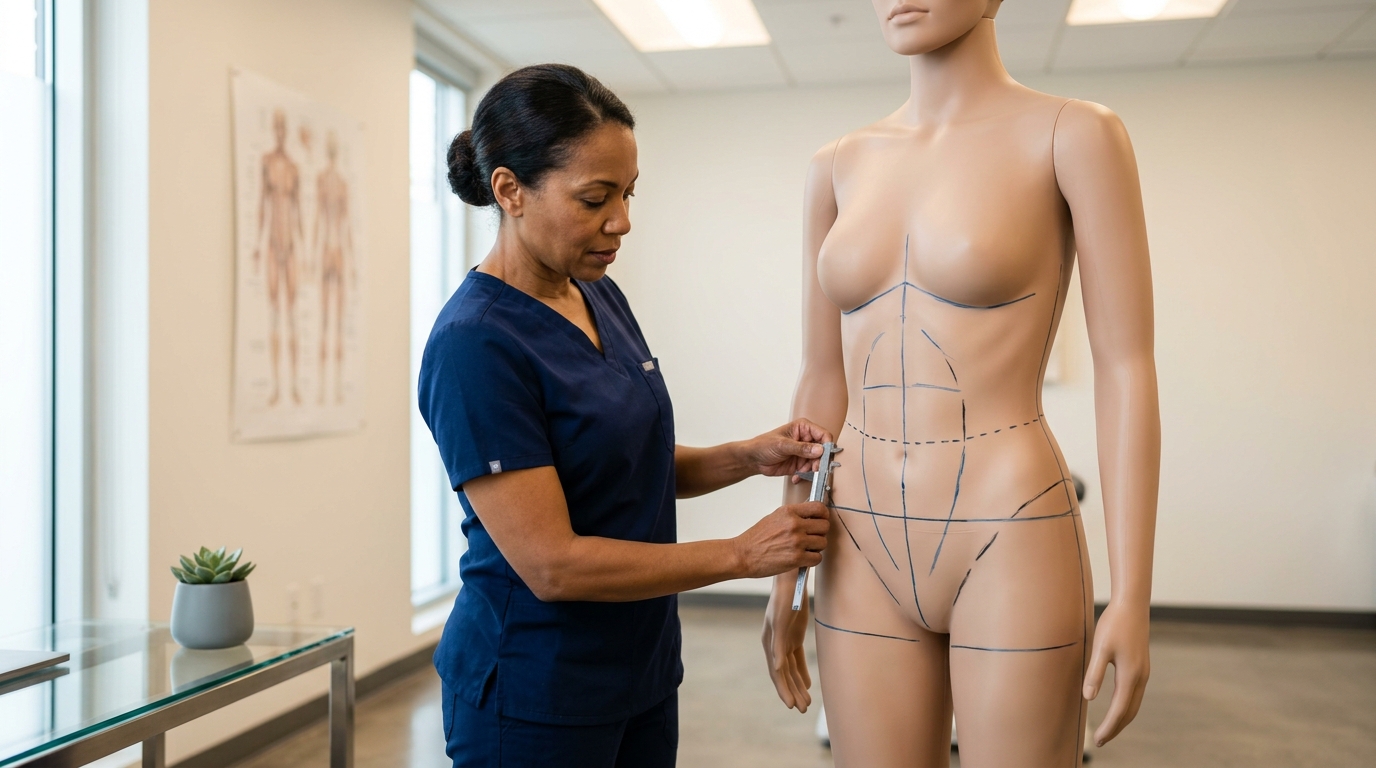
Waist and hip feminization involves strategic fat removal and redistribution to accentuate the hourglass silhouette. Surgeons may use liposuction to thin the waist while enhancing hip projection through fat grafting or implants, creating the dramatic waist-to-hip ratio that characterizes a feminine figure.
What Options Exist for Buttocks Enhancement?
Buttocks enhancement can be achieved through fat transfer procedures, where fat harvested via liposuction is purified and injected to add volume and shape. For patients seeking more dramatic results, silicone implants offer predictable augmentation. Some patients benefit from a combination approach, using both fat transfer and implants for optimal contouring.
Can Breast Procedures Complement Body Feminization?
Breast augmentation significantly enhances the overall feminine silhouette by adding volume and shape to the chest. Surgeons may recommend combining breast enhancement with body contouring procedures to ensure proportional results that create a cohesive feminine appearance across all body regions.
How Does Body Feminization Address Common Masculine Features?
Masculine body features develop through a combination of genetics, hormones, and fat distribution patterns that surgery can effectively address. Understanding these characteristics helps patients communicate their goals clearly during consultation and sets realistic expectations for what body feminization surgery can achieve.
What Causes a Thick Waist and Lack of Curves?
A thick waist and lack of curves result from male-pattern fat distribution, where the body stores excess weight around the midsection rather than the hips and thighs. Genetic factors and hormonal influences during puberty shape how fat deposits throughout the body, creating the rectangular torso shape many transgender women wish to address.
How Do Narrow Hips and Flat Buttocks Contribute to a Square Torso?
Narrow hips and flat buttocks create a straight or inverted triangle silhouette rather than the hourglass shape many women desire. The bony structure of the pelvis differs between sexes, with males typically having narrower pelvic arches. Even with fat redistribution, some patients require surgical enhancement to achieve their desired proportions.
Can Liposuction Help Create a More Feminine Silhouette?
Liposuction effectively removes stubborn fat deposits from the waist, back, and other areas that resist diet and exercise. Fat transfer after weight loss procedures allow this removed fat to be repurposed for enhancing curves in the hips and buttocks, creating comprehensive body reshaping in a single surgical session.
Who Is a Good Candidate for Body Feminization Surgery?
Ideal candidates for body feminization surgery are healthy adults who have realistic expectations about surgical outcomes and have typically begun hormone therapy if appropriate. A thorough consultation helps determine which procedures will best address each patient’s specific concerns. Patients should research their options at La Belle Vie Cosmetic Surgery Clinic to understand available approaches.
What Health Factors Matter for Body Feminization Eligibility?
Surgeons evaluate overall health status, including cardiovascular health, metabolic conditions, and any bleeding disorders that might affect surgery or recovery. Patients should disclose all medications and supplements, as some substances can increase surgical risks. Non-smokers experience better healing outcomes and fewer complications.
How Do Surgeons Evaluate Body Proportion Concerns?
During consultation, surgeons assess the patient’s existing proportions using measurement techniques and photographic analysis. They consider the relationship between shoulders, waist, hips, and buttocks to determine which procedures will create optimal balance. Individual anatomy sets practical limits on achievable results.
Is There an Ideal Age for Body Feminization Procedures?
While there is no strict age requirement, most candidates are adults who have completed their physical development. Patients should be in good overall health regardless of chronological age. Johns Hopkins Medicine notes that emotional maturity and realistic expectations matter more than specific age requirements for gender-affirming procedures.
What Is the Recovery Process Like After Body Feminization?
Recovery from body feminization surgery requires patience and adherence to post-operative instructions, with most patients returning to light activities within several weeks. Full results emerge gradually as swelling subsides and tissues settle into their new contours. Understanding the recovery timeline helps patients plan appropriately for time off work and support needs during healing.
How Long Does It Take to See Final Body Contouring Results?
Initial results become visible within six to eight weeks as major swelling resolves, though subtle swelling can persist for several months. The final sculpted appearance typically emerges around six months post-surgery, with continued subtle refinement possible through the first year.
What Compression Garments and Post-Op Care Are Needed?
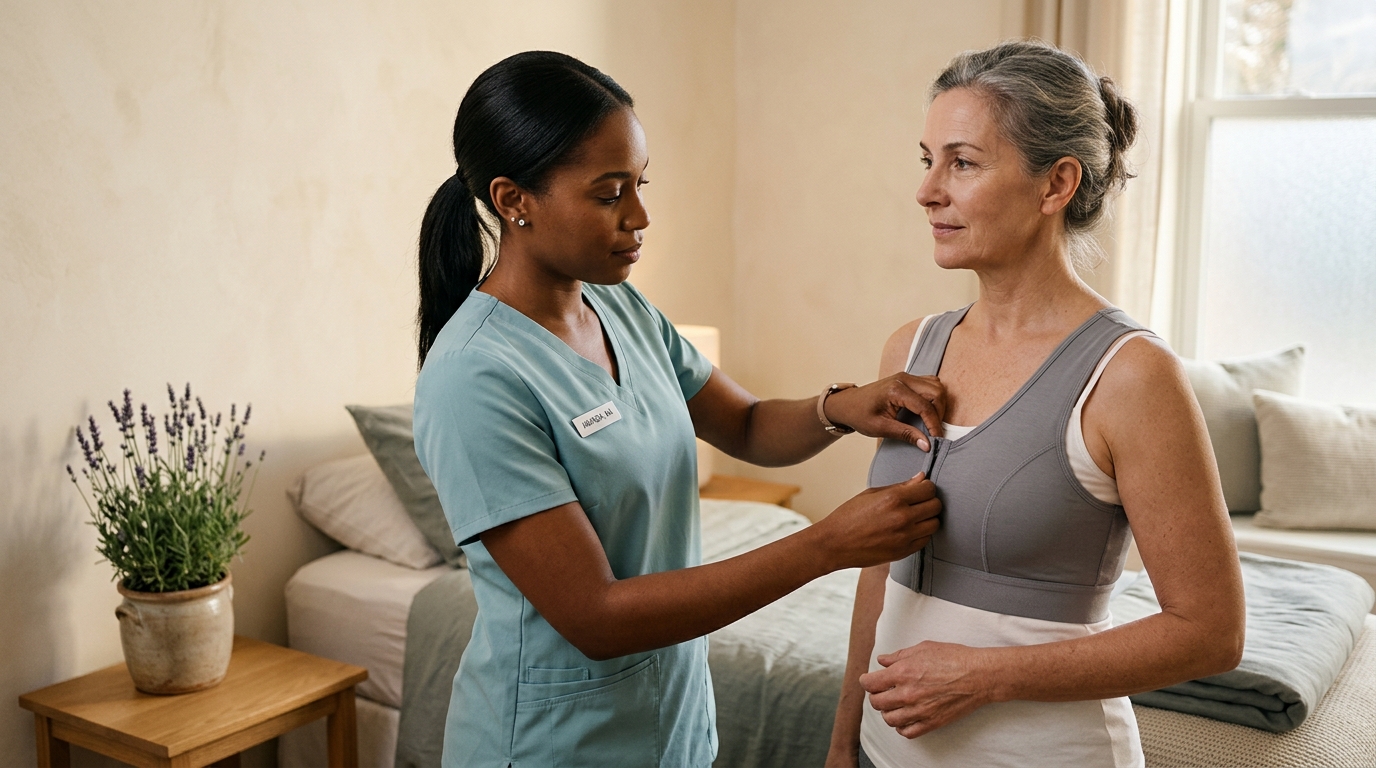
Compression garments reduce swelling, support healing tissues, and help maintain the new body contours. Patients typically wear these garments continuously for several weeks, transitioning to part-time use as healing progresses. Surgical drains may be placed temporarily to prevent fluid accumulation.
When Can I Resume Normal Activities and Exercise?
Most patients return to desk work within two to three weeks, while more strenuous activities require four to six weeks of recovery. Surgeons provide specific guidelines based on the procedures performed and individual healing progress. Gradual return to exercise, starting with light activity, supports optimal recovery.
How Do I Prepare for a Body Feminization Consultation in Seattle?
Preparing for a body feminization consultation involves gathering relevant medical information, clarifying your aesthetic goals, and researching potential surgeons. A productive consultation helps establish realistic expectations and builds the foundation for a successful surgical experience. Patients should compile medical records, list current medications, and prepare questions about procedures and recovery.
What Questions Should I Ask My Surgeon?
Ask about the surgeon’s experience with body feminization procedures, their approach to your specific concerns, and what results you can realistically expect. Inquire about the surgical facility, anesthesia options, potential risks, and the recovery timeline. Request before-and-after photographs of similar cases.
How Do I Choose a Qualified Body Feminization Surgeon?
Select a board-certified surgeon with demonstrated experience in gender-affirming body procedures. Review their credentials, patient testimonials, and gallery of results. The surgeon should make you feel comfortable, listen attentively to your goals, and explain options clearly without pressuring you toward unnecessary procedures.
What Should I Expect During My Initial Consultation?
The initial consultation typically includes a physical examination, discussion of your medical history, and review of your aesthetic goals. Your surgeon will explain available options, answer questions, and provide personalized recommendations. This visit establishes the foundation for your surgical plan and helps build a trusting patient-provider relationship.
For transgender women and gender-diverse individuals in the Seattle and Bellevue areas exploring body feminization options, understanding the available procedures, recovery expectations, and what to look for in a qualified surgeon represents an important first step. La Belle Vie Cosmetic Surgery Clinic offers consultations with Dr. Tony Mangubat, providing personalized guidance for those considering body contouring procedures as part of their transition journey. Reaching out to schedule a consultation can help you explore how these procedures might support your authentic self-expression.
Frequently Asked Questions
What is body feminization surgery?
Body feminization surgery encompasses surgical procedures designed to create a more feminine silhouette by addressing features that develop under androgen influence during puberty. These procedures target the waist, hips, buttocks, and chest to create the curvier proportions many transgender women desire as part of their transition journey.
How does body feminization surgery create a more feminine silhouette?
Surgeons use strategic fat removal and redistribution to accentuate the hourglass silhouette. Liposuction thins the waist while fat grafting or implants enhance hip projection, creating a dramatic waist-to-hip ratio. Breast augmentation adds volume to the chest, and buttocks enhancement through fat transfer or implants adds shape and curves.
How long does it take to see final body contouring results?
Initial results become visible within six to eight weeks as major swelling resolves, though subtle swelling can persist for several months. The final sculpted appearance typically emerges around six months post-surgery, with continued subtle refinement possible through the first year.
What quality of life improvements does recent research show for gender-affirming surgery patients?
The 2025 peer-reviewed research validates measurable quality of life improvements following gender-affirming procedures. Studies measure multiple dimensions including psychological functioning, social comfort, and overall life satisfaction using standardized instruments validated for transgender populations. This clinical evidence demonstrates the transformative potential of these procedures.
Who is a good candidate for body feminization surgery?
Ideal candidates are healthy adults with realistic expectations who have typically begun hormone therapy if appropriate. Surgeons evaluate cardiovascular health, metabolic conditions, and bleeding disorders. Non-smokers experience better healing outcomes. Emotional maturity and realistic expectations matter more than specific age requirements for these gender-affirming procedures.
What is the recovery process like after body feminization surgery?
Recovery requires patience and adherence to post-operative instructions, with most patients returning to light activities within several weeks. Compression garments reduce swelling and support healing tissues – patients typically wear these continuously for several weeks. Most patients return to desk work within two to three weeks, while more strenuous activities require four to six weeks of recovery.
Which procedures are typically combined in body feminization surgery?
The most effective results typically combine multiple procedures addressing different aspects of body contouring. These include waist and hip feminization through liposuction and fat grafting, buttocks enhancement via fat transfer or implants, breast augmentation, and liposuction to remove stubborn fat deposits from the waist and back. Surgeons tailor approaches to each patient’s unique anatomy and goals.
