

Last updated: September 12, 2026
High-definition Vaser liposculpture enables surgeons to sculpt superficial tissues and define three-dimensional surface musculature across a wide range of patients. For fitness-oriented individuals in Seattle and Bellevue seeking visible musculature definition, this technique represents a significant advancement in achieving athletic contours that diet and exercise alone cannot produce.
What Is Vaser Hi-Def Liposculpture and How Does It Work?
Vaser hi-def liposculpture is an advanced body contouring technique that uses ultrasound-assisted technology to precisely remove fat while sculpting superficial tissue layers to reveal underlying musculature. The Vaser system employs vibration amplification of sound energy at resonance to emulsify fat cells before removal, allowing for unprecedented precision in defining muscle contours. This approach enables surgeons to create the appearance of defined abdominal muscles, athletic arms, and sculpted torso lines that mimic the results of dedicated fitness training.
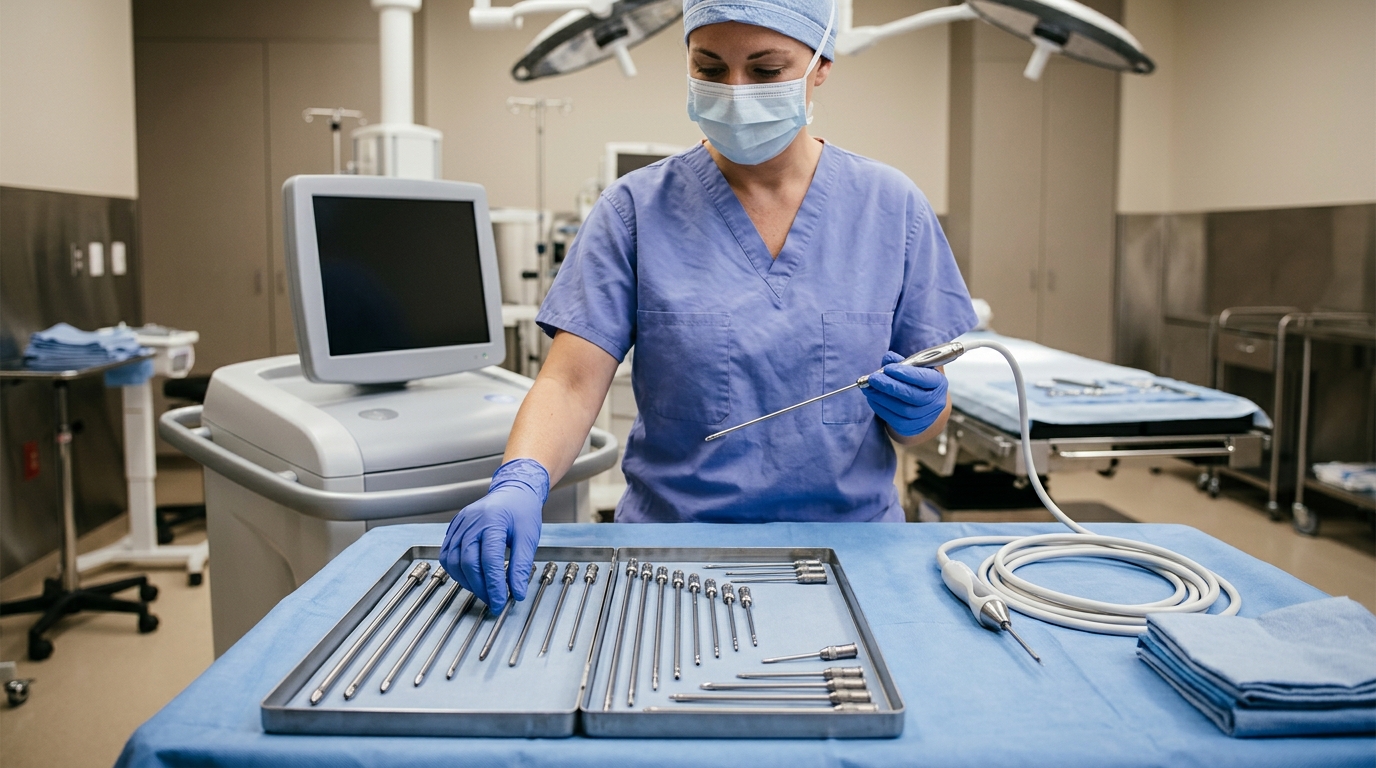
Unlike traditional liposuction that primarily targets deeper fat deposits, Vaser technology allows practitioners to work in multiple tissue planes simultaneously. The ultrasound energy specifically targets fat cells while preserving surrounding connective tissue, blood vessels, and nerves to a greater degree than mechanical liposuction methods. This differential approach means patients can achieve more dramatic sculpting results with potentially less tissue trauma.
How Does Ultrasound Technology Enhance Fat Removal?
Ultrasound technology enhances fat removal by liquefying fat cells before aspiration, creating a smoother emulsification process that requires less physical force. The Vaser system delivers concentrated ultrasonic energy through a probe inserted beneath the skin, causing fat cells to vibrate and ultimately rupture without damaging adjacent structures. Surgeons can operate in continuous mode for larger volume debulking or switch to pulsed mode for delicate contouring work near the skin surface. This versatility allows for the nuanced sculpting required to trace the outlines of individual muscle groups.
What Makes Hi-Def Liposculpture Different From Traditional Approaches?
Hi-def liposculpture differs from traditional approaches by specifically targeting the superficial fat layer directly beneath the skin where muscle definition becomes visible. Traditional liposuction typically focuses on deeper fat deposits between muscle groups and organs, which improves overall body proportions but does not create the etched appearance of individual muscles. The Vaser hi-def technique involves deliberate fat removal over muscle groups to highlight their natural contours, creating shadows and highlights that simulate a sculpted, athletic physique. This approach requires specialized training and an artistic eye for anatomy rather than simply removing the largest volume of fat possible.
What Clinical Research Supports Vaser Hi-Def Liposculpture?
What Did the Peer-Reviewed Studies Establish?
Researchers documented successful treatment of both male and female patients seeking athletic definition, demonstrating that the technique is not limited to a narrow demographic. The study outcomes indicated that careful attention to transition zones between treated and untreated areas produces smooth, natural-appearing contours rather than the artificial lines that can result from less precise methods. Complication rates remained manageable, with seroma formation representing the most common adverse event among the documented patient series.
Why Is This Approach Considered Established Rather Than Experimental?
The technique was first described with sufficient detail for other surgeons to replicate, and subsequent clinical experience has validated its safety and efficacy over time. Unlike experimental procedures that lack long-term outcome data, Vaser-assisted high-definition liposculpture has accumulated years of clinical use demonstrating sustained results and acceptable safety margins. The availability of specialized training and equipment from established manufacturers further indicates that the procedure has moved beyond experimental status into routine surgical practice.
What Body Areas Can Vaser Hi-Def Sculpting Define?
Vaser hi-def sculpting can define multiple body areas including the abdomen, arms, back, chest, flanks, thighs, and chin region by precisely removing fat to reveal underlying muscle contours. The abdomen represents the most popular treatment zone, where careful fat removal creates the appearance of defined six-pack muscles by sculpting the rectus abdominis and external obliques. Male patients frequently seek chest contouring to reduce the appearance of enlarged breast tissue while defining the pectoral borders, while female patients often focus on creating an athletic silhouette through arm and abdominal sculpting.
Can Vaser Create Six-Pack and Abdominal Muscle Definition?
Yes, Vaser technology can create visible six-pack and abdominal muscle definition by strategically removing fat over the rectus abdominis muscle groups. The procedure, sometimes called abdominal etching, involves precise fat removal along the natural lines of the abdominal musculature to create shadows that mimic the appearance of developed core muscles. Surgeons sculpt specific grooves and lines that correspond to the anatomical borders of the rectus muscles, transverse abdominis divisions, and external oblique muscles. The resulting appearance suggests a level of fitness that may be difficult to achieve through exercise alone, particularly in patients who have residual fat deposits over their abdominal muscles despite dedicated training.
What Other Areas Respond Well to Hi-Def Contouring?
Other areas that respond well to hi-def contouring include the arms, where Vaser can define the biceps and triceps contours, and the back, where treatment can reduce bra rolls and emphasize the latissimus dorsi muscles. The flanks respond particularly well to this technique, as precise sculpting can create a more defined waistline by highlighting the natural indentations between the ribs and pelvis. Thigh sculpting can define the inner and outer thigh muscle separations while reducing saddlebags and creating smoother transitions between the thigh and knee. The chin and neck area also benefit from hi-def approaches, as refined fat removal can accentuate the mandibular border and create a more defined jawline. Vaser arm liposuction can refine upper-arm contours, with candidacy and recovery considerations varying by patient.
Who Is an Ideal Candidate for Vaser Hi-Def Body Contouring?
Ideal candidates for Vaser hi-def body contouring are fitness-oriented individuals who maintain regular exercise routines but struggle with stubborn fat deposits that obscure their underlying musculature. These patients typically have a body mass index within a healthy or moderately elevated range, as the procedure sculpts rather than substantially reduces overall body weight. Candidates should possess realistic expectations about outcomes, understanding that the procedure enhances definition rather than replacing the need for a healthy lifestyle. Good skin elasticity helps support smooth draping over newly sculpted contours, which contributes to optimal aesthetic results.
Does Skin Elasticity Affect Hi-Def Sculpting Outcomes?
Skin elasticity significantly affects hi-def sculpting outcomes because skin must contract and conform to the new underlying contours created during the procedure. Younger patients and those with good genetic skin quality typically experience smooth, tight skin draping over sculpted muscle groups. Patients with reduced skin elasticity due to aging, significant weight fluctuations, or genetic factors may experience some laxity that limits the definition achievable in certain areas. During consultation, surgeons assess skin quality to determine whether additional procedures such as skin tightening treatments might complement the fat sculpting results.
How Close Should Patients Be to Their Target Weight?
Patients should generally be at or near their target weight before undergoing Vaser hi-def sculpting, as the procedure is designed for contour refinement rather than major weight reduction. Most surgeons recommend that patients be within 10 to 15 pounds of their ideal weight to achieve optimal results from the technique. Patients significantly above their target weight may benefit more from diet and exercise initially, with body contouring procedures reserved for the final refinement stage of their transformation journey. The procedure works best on localized fat deposits that remain resistant to diet and exercise efforts rather than generalized adiposity throughout the body.
What Is Recovery Like After Vaser Hi-Def Liposculpture?
Recovery after Vaser hi-def liposculpture typically involves wearing a compression garment for several weeks to support the tissues during healing and minimize swelling. Patients generally experience less bruising compared to traditional liposuction due to the gentler nature of ultrasound-assisted fat emulsification. Most individuals can return to light daily activities within a few days to one week after the procedure, depending on the extent of treatment and their individual healing response. The compression garment helps reduce fluid accumulation and supports the skin as it adheres to the newly sculpted underlying structures.
How Does Vaser Technology Reduce Post-Procedure Bruising?
Vaser technology reduces post-procedure bruising by selectively targeting fat cells while preserving blood vessels, nerves, and connective tissue to a greater degree than mechanical disruption methods. The ultrasound energy emulsifies fat within its cellular structure before removal, whereas traditional liposuction tears fat cells loose mechanically, often causing more trauma to surrounding vasculature. This tissue-sparing effect means less blood extravasation into surrounding tissues, which manifests as reduced visible bruising on the skin surface. Patients frequently report that the recovery experience is more comfortable than they anticipated based on stories about traditional liposuction.
When Can Patients Resume Exercise After Hi-Def Sculpting?
Patients can typically resume light walking within the first few days after the procedure, but strenuous exercise and heavy lifting should be avoided for approximately three to four weeks. The compression garment worn during recovery provides support during initial return to activity, and most surgeons recommend gradual progression back to full exercise intensity. Light cardio may be reintroduced after two weeks if cleared by the surgical team, while core-focused exercises and abdominal-targeted workouts should wait longer to allow complete internal healing. Patients should follow their surgeon’s specific guidance, as the extent of treatment and individual healing rates influence the appropriate timeline for returning to vigorous exercise.
Risks, Side Effects and Who Is Not a Candidate
Common side effects following Vaser hi-def liposculpture include swelling, bruising, numbness in treated areas, and temporary fluid accumulation known as seroma. As with any surgical procedure, infection, bleeding, and adverse reactions to anesthesia remain possible risks that patients should discuss thoroughly with their surgical team. Serious complications such as skin necrosis did not occur in the documented patient series, though individual outcomes vary based on health factors and surgical technique.
Patients who are not ideal candidates for this procedure include individuals with significant health conditions such as uncontrolled diabetes, heart disease, or immune disorders that impair healing. Smokers face elevated risks of poor wound healing and should disclose their tobacco use during consultation, as cessation may be recommended before and after surgery. Patients with unrealistic expectations about the degree of definition achievable or those seeking major weight loss rather than contour refinement are not appropriate candidates. Pregnant or nursing individuals should postpone body contouring procedures, and those with active infections should delay surgery until fully recovered.
Individuals considering Vaser hi-def liposculpture should discuss their complete medical history, current medications, and aesthetic goals with a qualified surgeon during an in-person consultation. The decision to undergo any cosmetic procedure should be made with full understanding of potential risks and realistic expectations for outcomes. Patients should verify that their chosen provider has specific training and experience with high-definition sculpting techniques, as the procedure requires different skills than standard liposuction.
La Belle Vie Cosmetic Surgery Clinic, led by Dr. Tony Mangubat, offers Vaser-assisted high-definition body contouring for patients in the Seattle and Bellevue areas seeking advanced body sculpting options. The clinic provides personalized consultations to help individuals determine whether this technique aligns with their aesthetic goals and health profile. To learn more about Vaser hi-def liposculpture and explore how it might enhance your physique, contact La Belle Vie Cosmetic Surgery Clinic to schedule your consultation.
Frequently Asked Questions
What is Vaser Hi-Def Liposculpture and how does it work?
Vaser Hi-Def Liposculpture is an advanced body contouring technique that uses ultrasound-assisted technology to precisely remove fat while sculpting superficial tissue layers to reveal underlying musculature. The Vaser system employs vibration amplification of sound energy at resonance to emulsify fat cells before removal, allowing surgeons to create the appearance of defined abdominal muscles, athletic arms, and sculpted torso lines that mimic dedicated fitness training results.
How does Vaser technology differ from traditional liposuction approaches?
Vaser technology differs from traditional liposuction by targeting the superficial fat layer directly beneath the skin where muscle definition becomes visible, whereas traditional methods focus on deeper fat deposits between muscle groups and organs. The ultrasound energy specifically targets fat cells while preserving surrounding connective tissue, blood vessels, and nerves to a greater degree than mechanical methods. This differential approach enables more dramatic sculpting with potentially less tissue trauma.
What body areas can Vaser Hi-Def Liposculpture define?
Vaser Hi-Def can sculpt multiple areas including the abdomen, arms, back, chest, flanks, thighs, and chin region. The abdomen is the most popular treatment zone, where careful fat removal creates the appearance of defined six-pack muscles. The technique can also define biceps and triceps contours, reduce bra rolls, emphasize latissimus dorsi muscles, create a more defined waistline, and enhance the jawline.
How long is the recovery period after Vaser Hi-Def Liposculpture?
Recovery typically involves wearing a compression garment for several weeks to support tissues and minimize swelling. Most patients can return to light daily activities within a few days to one week, depending on treatment extent and individual healing. Patients should avoid strenuous exercise and heavy lifting for approximately three to four weeks, with light cardio potentially reintroduced after two weeks if cleared by the surgical team.
Can Vaser create visible abdominal muscle definition like a six-pack?
Yes, Vaser technology can create visible six-pack and abdominal muscle definition through a procedure sometimes called abdominal etching. Surgeons strategically remove fat along the natural lines of the abdominal musculature to create shadows that mimic developed core muscles, sculpting specific grooves corresponding to the borders of the rectus muscles, transverse abdominis divisions, and external oblique muscles.
Who is an ideal candidate for Vaser Hi-Def Body Contouring?
Ideal candidates are fitness-oriented individuals who maintain regular exercise routines but struggle with stubborn fat deposits obscuring their underlying musculature. Patients should generally be within 10 to 15 pounds of their ideal weight, possess good skin elasticity, and have realistic expectations about outcomes. The procedure enhances definition rather than replacing the need for a healthy lifestyle, making it unsuitable for patients seeking major weight reduction.
Related reading
- What to Know About Liposuction in Seattle: Your Complete Guide
- VASER liposuction uses advanced ultrasound technology to remove excess fat
This article is general information and is not medical advice. Talk to a licensed clinician about your own situation before making a treatment decision.
