

Last updated: September 20, 2026
If you have been researching ways to enhance your lips, you have likely encountered both injectable fillers and surgical options like a lip lift. This research provides the most current clinical backing for a procedure that shortens the cutaneous upper lip, increases vermilion exposure, and restores youthful proportions to the smile zone. For patients in Seattle and surrounding communities like Bellevue and Kirkland who want a permanent solution to thin lips, a long upper lip, or limited tooth show, the 2026 evidence makes now an ideal time to explore whether this surgical lip enhancement is right for them.
What Is a Lip Lift and Why Is It Growing in Popularity?
A lip lift is a surgical procedure that shortens the distance between the nose and upper lip, exposing more vermilion for fuller-looking lips. The procedure is growing in popularity because it offers a permanent alternative to temporary fillers, with modern techniques that minimize scarring while delivering natural-looking results that align with current aesthetic trends toward subtle, lasting enhancement.
Who Is a Good Candidate for a Lip Lift?
Ideal candidates for cheiloplasty are adults in good overall health who want to address specific aesthetic concerns that fillers cannot resolve permanently. Candidates typically include individuals with a long upper lip that covers the teeth, those with a thin vermilion who want more visible lip tissue, or patients with a gummy smile where excessive gum tissue is displayed during smiling. A consultation with a board-certified surgeon helps determine whether this surgical enhancement is the appropriate choice based on facial proportions, skin quality, and personal goals.
How Does a Lip Lift Differ from Lip Fillers?
The fundamental difference between this procedure and lip fillers lies in permanence and mechanism. Fillers add volume through injectable hyaluronic acid, a substance the body eventually absorbs, requiring repeated treatments to maintain results. Surgical lip enhancement permanently alters the relationship between the upper lip and the face by shortening the cutaneous lip, which naturally exposes more vermilion and creates a defined Cupid’s bow. While fillers can increase size, they cannot correct a long upper lip or significantly change the position of the lip relative to the teeth. For patients seeking lasting enhancement and improved lip proportions, the surgical approach offers advantages that injectable treatments cannot replicate.
What Does the Research Say About Lip Lift Safety?
Clinical research confirms that lip lift surgery carries minimal risk when performed by qualified surgeons, with complication rates between 0.6% and 6.7% – predominantly minor and temporary issues. Patient satisfaction scores average 4.4 out of 5, and the American Society of Plastic Surgeons recognizes the procedure as safe for appropriate candidates when performed by experienced practitioners.
What Clinical Evidence Supports Lip Lift Safety?
Researchers evaluated studies published between 2017 and 2025, focusing on adult patients undergoing lip lift for aesthetic or aesthetic-functional indications. The evidence demonstrated that subnasal bullhorn techniques and their modifications achieved consistent improvements while maintaining a low complication profile. Patient satisfaction was notably high, with a mean GAIS score of 4.4 out of 5. These findings align with broader research from the American Society of Plastic Surgeons on facial enhancement procedures, reinforcing the safety profile of well-established surgical approaches.
What Factors Influence Surgical Lip Lift Outcomes?
Multiple factors influence outcomes, including patient anatomy, skin elasticity, surgical technique, and surgeon experience. The review emphasized that no single approach works for every patient; rather, technique selection should be anatomy-driven. Factors such as the length of the philtrum, the amount of tooth show at rest, the shape of the Cupid’s bow, and the overall facial proportions all guide the surgeon’s approach. The review found that optimal outcomes occurred when surgeons matched technique modifications to individual patient characteristics rather than applying a standardized method universally. This individualized approach is supported by morphometric data showing that targeted corrections yield more predictable and satisfying results.
How Is a Lip Lift Performed in 2026?
Modern lip lift surgery involves removing a small strip of skin beneath the nose in a bullhorn-shaped pattern, with incisions hidden along the natural curves of the nostrils. Surgeons customize the amount of tissue removed and the lift technique based on each patient’s unique anatomy, performing the procedure under local anesthesia with sedation. The surgery typically takes one to two hours, and patients return home the same day with detailed post-operative care instructions.
What Is the Bullhorn Lip Lift Technique?
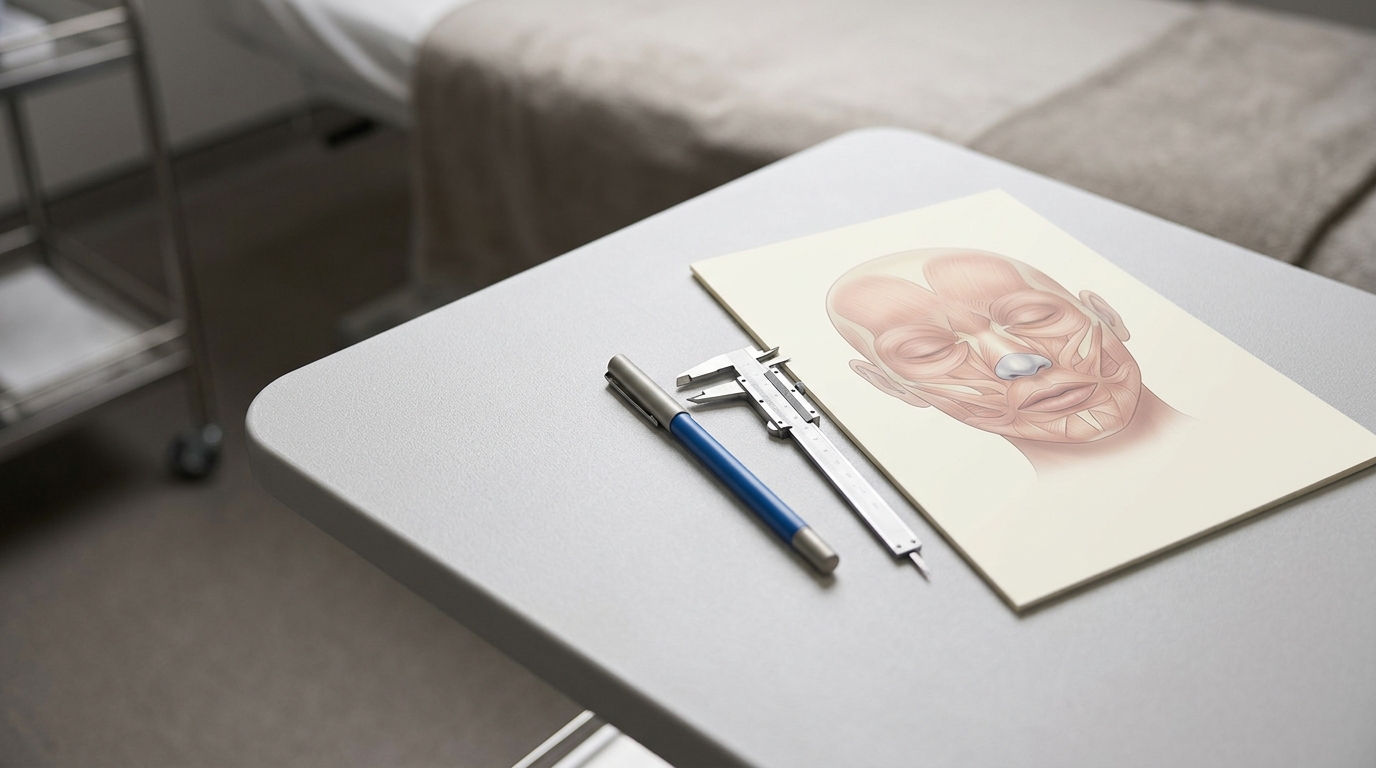
The bullhorn technique, named for the shape of the skin removal pattern resembling the horns of a bull, remains the gold standard approach for many patients. The surgeon makes an incision along the base of the nose, removes a narrow strip of skin, and lifts the upper lip upward before closing the incision with fine sutures. The technique effectively shortens the philtrum from an average of 14 to 14.5 millimeters down to approximately 10.8 to 12 millimeters while increasing vermilion height from 5 to 6 millimeters to 7 to 9 millimeters. Maxillary incisor show improves from 1.5 to 2 millimeters to 3.5 to 5 millimeters on average, creating a more youthful and balanced smile. Modifications of this technique allow surgeons to address specific concerns such as corner lip lift for downturned mouth corners or gullwing techniques for enhanced vermilion definition.
How Is the Technique Selected for Each Patient?
Technique selection begins with a thorough consultation during which the surgeon evaluates facial proportions, lip anatomy, skin quality, and patient goals. Patients in the Seattle area, including those from Bellevue and Kirkland, benefit from consultations that include detailed discussion of realistic expectations and what each technique can achieve. The surgeon may assess the distance from the nose to the lip, the amount of tooth show, the shape of the vermilion border, and the overall facial balance. Based on this evaluation, the surgeon recommends a specific approach that addresses the patient’s primary concerns while maintaining harmony with other facial features. The 2026 evidence review supports this individualized method, finding that anatomy-driven technique selection leads to higher patient satisfaction and more predictable outcomes.
What Results Can You Expect from a Lip Lift?
A lip lift delivers permanent enhancement of upper lip aesthetics, including increased vermilion exposure, improved tooth visibility, and a more defined Cupid’s bow. Studies report average satisfaction ratings of 4.4 out of 5, with patients appreciating that results age naturally with the face rather than requiring ongoing maintenance like temporary fillers.
How Does a Lip Lift Improve the Smile Zone?
The smile zone encompasses the upper lip, teeth, gums, and surrounding facial structures that work together during smiling and speaking. Surgical enhancement improves this area by increasing the amount of vermilion visible both at rest and during animation, creating fuller-looking lips without adding foreign material. The procedure also enhances maxillary incisor show, meaning more of the upper teeth become visible when the lips part naturally. This improvement is particularly beneficial for patients who feel their smile appears gummy or whose upper lip conceals their teeth. By restoring the ideal proportion between the lip and the teeth, this surgery creates a more balanced and aesthetically pleasing smile that many patients describe as youthful and vibrant.
What Is the Recovery Timeline After a Lip Lift?
Recovery from cheiloplasty typically involves a period of several days to a week before patients feel comfortable returning to normal activities, with full healing and final results developing over several months. Initial recovery includes swelling, bruising, and mild discomfort around the incision site, which subsides gradually with proper care. Most patients manage post-operative swelling with cold compresses and by keeping the head elevated during the first few days. Sutures are usually removed within a week, and patients can typically resume light activities within a few days. Strenuous exercise should be avoided for two to three weeks to allow proper healing. The incision line continues to fade over several months, eventually becoming barely perceptible in most cases when hidden within the natural contours beneath the nose.
How Do I Choose Between a Lip Lift and Other Options?
Choosing between a lip lift and other lip enhancement options depends on whether you prefer permanent structural correction or temporary volume addition. Lip lifts work best for addressing a long upper lip, limited tooth show, or thin vermilion that fillers cannot effectively treat. Patients wanting a one-time solution without repeated maintenance appointments typically prefer surgery, while those seeking reversible enhancement or uncertain about commitment may start with fillers.

What Questions Should I Ask at a Lip Lift Consultation?
At a consultation, asking the right questions helps you receive personalized care and set realistic expectations. Key questions include: What is your experience with this surgery, and how many procedures have you performed? Can I see before-and-after photos of patients with similar anatomy? Which technique do you recommend for my specific concerns, and why? What are the potential risks and how are complications managed? What does the recovery process involve, and what restrictions should I expect? Am I a good candidate based on my anatomy and health history? La Belle Vie Clinic in Seattle welcomes prospective patients to discuss these questions during a comprehensive consultation with Dr. Tony Mangubat, a board-certified surgeon specializing in facial aesthetic procedures.
Risks, Side Effects and Who Is Not a Candidate
Lip lift surgery carries inherent risks including infection, bleeding, scarring, asymmetry, and adverse reactions to anesthesia, though complications occur infrequently with experienced surgeons. Common side effects include swelling, bruising, numbness, and temporary tightness around the incision site. Patients with uncontrolled medical conditions, active infections, unrealistic expectations, or very short upper lips where further shortening would appear unnatural should not undergo this procedure.
Current evidence from 2026 demonstrates that surgical lip enhancement is a safe and effective option for patients seeking permanent improvement of their upper lip aesthetics. The research supports individualized technique selection based on patient anatomy, and patient satisfaction scores remain high across multiple studies. If you are considering this procedure and want to explore whether it aligns with your goals, La Belle Vie Clinic in Seattle offers consultations with Dr. Tony Mangubat, who brings expertise in facial plastic surgery to help patients achieve balanced, natural-looking results. Reach out to schedule a consultation and take the first step toward discovering what a customized approach can do for your smile.
Frequently Asked Questions
What is a lip lift and how does it work?
Cheiloplasty enhances the upper lip by removing a small strip of skin beneath the nose, shortening the distance between the nose base and vermilion border. This allows the lip to roll outward and reveal more natural fullness. The procedure permanently reshapes the lip structure, unlike temporary fillers. The most common approach uses an incision along the nasal base, hiding scarring within natural contours.
How does a lip lift differ from lip fillers?
Fillers add temporary volume through injectable hyaluronic acid that the body eventually absorbs, requiring repeated maintenance treatments. Surgical lip enhancement permanently alters lip proportions by shortening the cutaneous upper lip, which fillers cannot replicate. While fillers increase size, they cannot correct a long upper lip or significantly change lip position relative to the teeth.
What does the research say about lip lift safety?
Complications were predominantly mild and transient, with revision rates ranging from 0.6% to 6.7%. The research provides strong clinical backing for the procedure’s safety profile.
How long does recovery take after a lip lift?
Most patients return to normal activities within a week, with initial swelling and bruising subsiding gradually. Sutures are typically removed within a week, and light activities can resume after a few days. Strenuous exercise should be avoided for 2 to 3 weeks to allow proper healing, with final results developing over several months.
What results can I expect from a lip lift?
Cheiloplasty provides permanent enhancement of upper lip shape and proportion, including increased vermilion exposure, improved tooth show, and a more defined Cupid’s bow. The procedure shortens the philtrum to approximately 10.8 to 12 millimeters and increases vermilion height to 7 to 9 millimeters. Patient satisfaction scores average 4.4 out of 5.
Who is a good candidate for a lip lift?
Ideal candidates are adults in good overall health who want to address specific aesthetic concerns that fillers cannot resolve permanently. This includes individuals with a long upper lip that covers the teeth, those with thin vermilion wanting more visible lip tissue, or patients with a gummy smile. Candidates should have realistic expectations and specific anatomical concerns.
What factors influence lip lift surgical outcomes?
Multiple factors affect outcomes including patient anatomy, skin elasticity, surgical technique, and surgeon experience. The 2026 evidence review emphasized that no single approach works for every patient – technique selection should be anatomy-driven. Factors such as philtrum length, tooth show at rest, Cupid’s bow shape, and facial proportions guide the surgical approach.
Related reading
- What Is a Lip Lift? Seattle’s Guide to Surgical Lip Enhancement
- Upper Back Lift in Seattle: Your Complete Guide
- Seattle Arm Lift Surgery: Body Contouring Without BMI Restrictions
This article is general information and is not medical advice. Talk to a licensed clinician about your own situation before making a treatment decision.
