
Last updated: October 1, 2026
Upper eyelid surgery healing time typically spans about one to two weeks for initial recovery, which is when most people find that puffiness has gone down significantly. Many patients plan on this window before returning to work and normal activities. Understanding the week-by-week recovery process helps you prepare for a smoother healing journey after blepharoplasty.
What Is Upper Eyelid Surgery and Why Does Healing Time Matter?
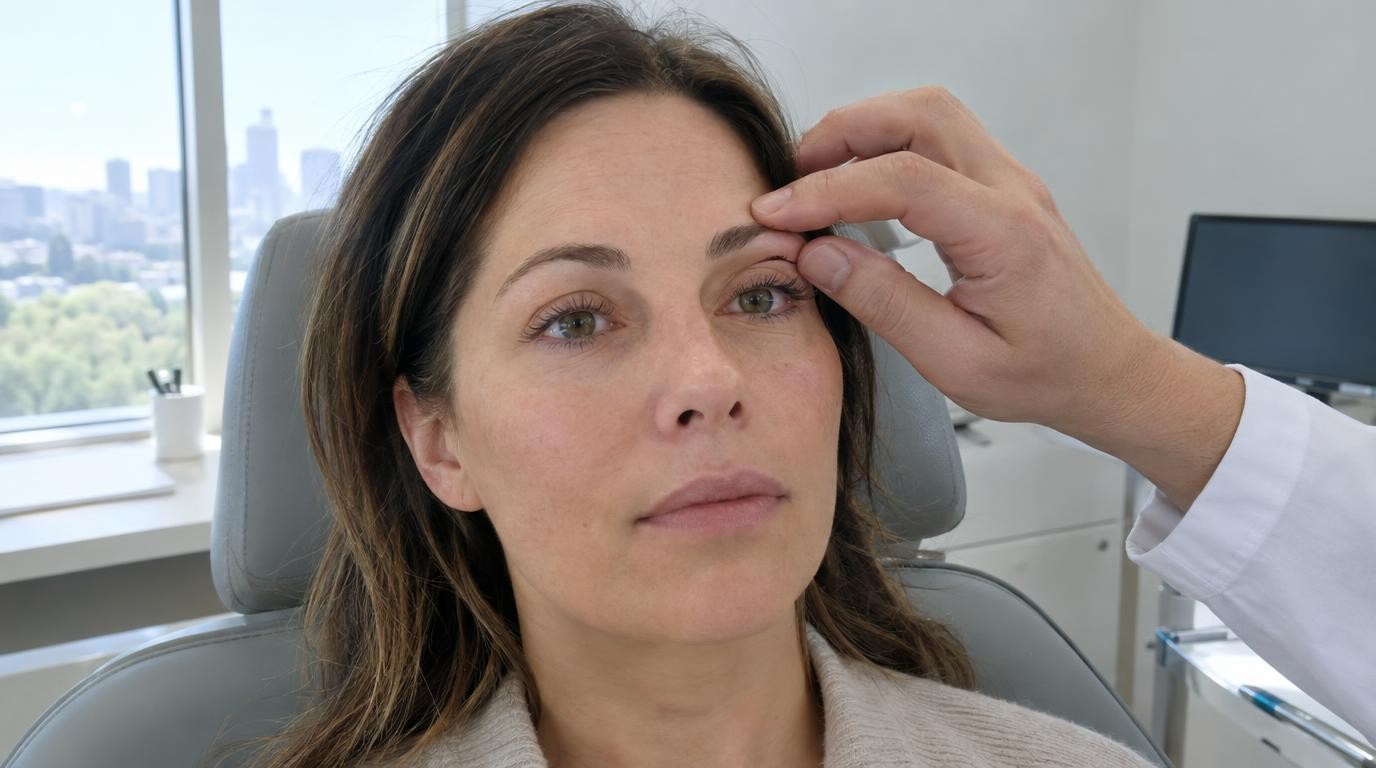
Upper eyelid surgery, also known as upper blepharoplasty, is a procedure that removes or repositions skin, muscle, and fat from the upper eyelids as needed to create a more refreshed, open appearance. The eyes are often one of the first areas to show signs of aging, fatigue, or stress, making this surgery a popular choice for those seeking to rejuvenate their look.
What causes drooping or heavy upper eyelids?
Drooping or heavy upper eyelids can result from several factors including natural aging, genetics, and the gradual loss of skin elasticity over time. Some patients develop hooded eyelids where the skin above the eye folds downward, while others experience puffiness from fat deposits shifting forward. In some cases, heavy upper eyelids can even affect peripheral vision. La Belle Vie Clinic offers personalized blepharoplasty in Seattle, Washington, where Dr. Tony carefully analyzes each patient’s unique facial structure to create natural-looking results.
What Happens During the First Week After Upper Eyelid Surgery?
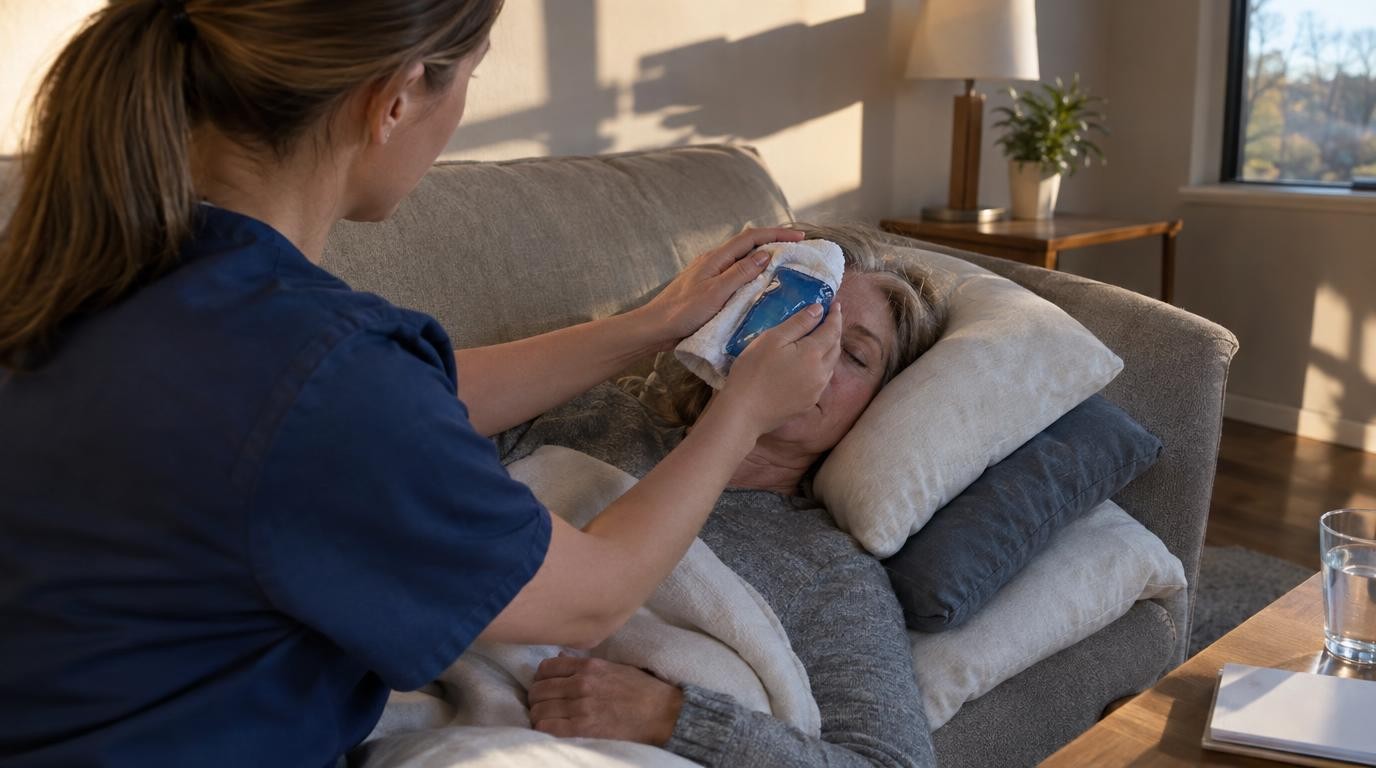
Swelling, bruising, and mild discomfort are most noticeable during the first few days after upper eyelid surgery, and most people find that puffiness goes down significantly within a week or two. During this critical period, patients should focus on rest, keeping their head elevated above heart level, and applying cold compresses as directed by their surgeon to minimize swelling.
How do I prepare for the first few days of recovery?
Preparing your home environment before surgery helps ensure a smoother recovery. Because the procedure is performed under general anesthesia, arrange for someone to drive you home after the procedure and stay with you for at least the first 24 hours. Stock up on prescribed or recommended medications, gauze pads, and frozen peas or gel packs for cold compresses. Prepare comfortable pillows to help you maintain an elevated sleeping position, and have entertainment options nearby since you will need to rest with your eyes closed frequently during the first days.
How Should I Care for My Eyes During the First Week of Recovery?
Careful care during the first week supports healing. Patients should gently clean the incision sites exactly as our team instructs. Avoiding strenuous activities, bending over, and heavy lifting helps prevent increased swelling and bleeding. Most surgeons recommend staying away from swimming pools, hot tubs, and activities that could introduce bacteria to the healing incisions.
What can I do to reduce swelling and discomfort?
Reducing swelling and discomfort involves a combination of home care techniques that patients can begin immediately after surgery. Keeping the head elevated, especially while sleeping, helps fluid drain away from the face and minimizes puffiness. Applying cold compresses gently to the closed eyes during the first 48 to 72 hours can help reduce swelling and bruising. Over-the-counter ibuprofen as recommended by your surgeon can address mild discomfort. Some patients ask about Arnica supplements for bruising, but the evidence is limited, so check with our team before taking any supplement.
When Will My Stitches Be Removed After Upper Eyelid Surgery?
You’ll come back for a follow-up visit a few days after surgery, when our team checks your healing and removes any stitches if necessary; for upper eyelid incisions this is commonly around five to seven days after the procedure. Because the incisions are placed along the natural crease of the eyelid, visible scarring is minimized. Your surgeon will examine the incision sites at your follow-up appointment and remove the sutures carefully to ensure proper healing.
What is the typical stitch removal timeline?
The stitch removal process is straightforward and typically takes only a few minutes in your surgeon’s office. After stitch removal, the incisions continue strengthening over the following weeks, and the visible redness gradually fades over the following months. Following your surgeon’s specific aftercare instructions during this period helps achieve the best possible scar appearance.
Risks, Side Effects and Who Is Not a Candidate
As with any surgical procedure, upper eyelid surgery carries potential risks that patients should understand before proceeding. Proper incision care is essential for minimizing complications and promoting optimal healing. Common side effects include temporary blurred vision and light sensitivity, which should disappear within a couple of days, as well as dry eyes and mild asymmetry during the healing process; call our team if blurred vision or light sensitivity lasts longer. Less common complications can include infection, bleeding, scarring, and changes in eyelid position that may require revision surgery.
Some health factors call for a careful discussion with your surgeon before upper eyelid surgery, including uncontrolled medical conditions such as diabetes or heart disease, untreated eye conditions like chronic dry eye or glaucoma, and bleeding disorders. Smokers face higher risks of poor wound healing and should discuss cessation options with their surgeon. Pregnant or nursing individuals are generally advised to postpone elective cosmetic procedures. A thorough consultation with a qualified surgeon helps determine whether blepharoplasty is appropriate for your specific situation.
What Should You Know Before Scheduling Your Upper Eyelid Surgery Consultation?
Understanding upper eyelid surgery healing time helps you plan appropriately for a smoother recovery experience. The first week requires rest, head elevation, cold compresses, and careful incision care, with any stitches removed at a follow-up visit a few days after surgery. Most patients return to normal activities within one to two weeks, though full healing continues over several months. Knowing what to expect at each stage empowers you to follow your surgeon’s instructions effectively and achieve the best possible outcome from your procedure.
Dr. Tony and the team at La Belle Vie Clinic in Seattle, Washington specialize in personalized upper and lower blepharoplasty procedures designed to refresh and rejuvenate the eye area. If you are considering eyelid surgery and want to learn more about how the procedure can address your specific concerns, we invite you to schedule a consultation with our experienced team. During your visit, we will discuss your goals, explain the procedure in detail, and create a customized treatment plan tailored to your unique features. Please keep in mind that unless vision is impaired, eyelid surgery is typically not covered by insurance. Please reach out to La Belle Vie Clinic to arrange your consultation and take the first step toward a more refreshed, confident appearance.
Frequently Asked Questions
How long does it take to fully recover from upper eyelid surgery?
Most people find that puffiness goes down significantly within a week or two, while full healing continues over several months as swelling fully resolves and scars mature. If you wear contact lenses, plan on switching to glasses for at least two weeks. Temporary blurry vision or light sensitivity should clear within a couple of days; if it lasts longer, give our team a call.
What causes drooping or heavy upper eyelids?
Beyond aging, genetics, and loss of skin elasticity, the position of your brow can add heaviness to the upper lid, which is why Dr. Tony evaluates the natural placement of your brow and eyelids during your consultation. If heavy lids are affecting your vision, mention it at your visit, since eyelid surgery is typically covered by insurance only when vision is impaired.
What supplies should I prepare at home before upper eyelid surgery?
Along with a ride home, someone to stay with you for the first 24 hours, cold packs, and extra pillows, keep a pair of glasses ready if you wear contacts, since you’ll need to switch to glasses for at least two weeks. Our team may send you home with gauze for added protection. We’ll also go over which pain relievers, such as ibuprofen, are appropriate for you.
What should I avoid doing during the first week of eyelid surgery recovery?
In addition to strenuous activity, bending over, heavy lifting, pools, and hot tubs, avoid rubbing your eyes and wearing eye makeup on or near the incisions until our team clears you. Do not wear contact lenses for at least two weeks. Call us if blurry vision or light sensitivity lasts longer than a couple of days.
When can I exercise again after upper eyelid surgery?
Surgeons recommend avoiding strenuous activities, heavy lifting, and exercises that increase blood pressure during the initial recovery week. Light walking is usually fine early on, while more strenuous exercise is generally resumed gradually over the following weeks once our team confirms your incisions are healing well. Always follow your surgeon’s specific guidance before returning to physical activities.
What conditions might prevent someone from being a good candidate for upper eyelid surgery?
Tell us about any health conditions, such as diabetes, heart disease, dry eye, glaucoma, or bleeding disorders, as well as smoking, pregnancy or nursing, and any medications you take, so Dr. Tony can judge whether and when surgery is right for you. In some cases, he may recommend a preventive Botox treatment before surgery to relax certain muscles and help facilitate a smoother recovery.
How does head elevation help healing after upper eyelid surgery?
Keeping your head elevated above heart level helps fluid drain away from the face, which minimizes puffiness and swelling around the eyes. Many patients sleep on their back propped on two or three pillows, or in a recliner, for the first several days so they don’t roll onto their face. When icing, wrap the cold pack in a thin cloth and rest it gently over closed eyes rather than pressing down.
Related reading
- Sagging Brow vs Hooded Eyes: Brow Lift, Botox, and Eyelid Surgery Explained
- Fox Eye Lift vs Traditional Blepharoplasty: Understanding Your Eyelid
- Blepharoplasty in Your 20s and 30s: Why Younger Patients Are Choosing
This article is general information and is not medical advice. Talk to a licensed clinician about your own situation before making a treatment decision.
