
Last updated: October 1, 2026
A deep plane facelift and neck lift is a surgical approach that repositions deeper facial tissues and, when appropriate, addresses loose neck skin and underlying neck tissue. The right plan depends on your anatomy, goals, and health; a consultation can clarify which techniques may help your jawline and neck.
What Is a Deep Plane Facelift and Neck Lift?
A deep plane facelift repositions deeper facial tissues rather than relying on skin tightening alone. A surgeon may add neck-lift steps when neck laxity or other neck changes also need attention. The extent of a face and neck lift depends on the patient’s anatomy and goals, not simply the name of the technique.
How does a deep plane approach differ from tightening skin alone?
Skin and the tissues beneath it change together as the face ages. Tightening only the skin may not adequately address the deeper structures contributing to jowls or a sagging jawline. A deep plane approach is designed to mobilize and reposition those structures, while excess skin can be adjusted without making skin tension the sole source of the lift.
La Belle Vie Clinic’s facelift surgery in Seattle description discusses tightening facial and neck skin and muscles and removing excess skin. It does not identify the clinic’s procedures as deep plane lifts. If that specific technique interests you, ask Dr. Mangubat which approach he would consider for your anatomy and whether neck work would be part of the plan.
How Are Lift Vectors Tailored to Your Anatomy?
Lift vectors are the directions in which a surgeon repositions facial tissue. Their choice depends on where tissue has descended, which structures can be released, and the change a patient hopes to see. An individualized plan considers the cheeks, jawline, and neck together rather than applying the same direction of lift to every face.

What does the research suggest about deep plane release and lift direction?
In the paper “Vectorial Analysis of Deep Plane Face and Neck Lift”, deep plane release and lift direction are considered together in planning a patient-specific lift. The paper discusses how an individual’s anatomy can guide tissue movement. It does not establish that one release pattern, direction, or named technique will suit everyone or guarantee a particular appearance.
In a consultation, discussing lift direction can make a technical idea practical: Which areas are creating the appearance of jowls? Does the neck need separate attention? What amount of change would still look like you? Those questions help connect a surgical plan to your features instead of treating a lower facelift as a standard template.
Who Might Be a Candidate for a Facelift and Neck Lift?
Adults bothered by jowls, lower-face sagging, a less-defined jawline, or loose neck skin may be candidates for a facelift and neck lift. Candidacy depends on overall health, facial anatomy, goals, and realistic expectations. Age alone cannot determine whether surgery is appropriate or which combination of face and neck steps makes sense.
Which changes in the jawline and neck may prompt a consultation?
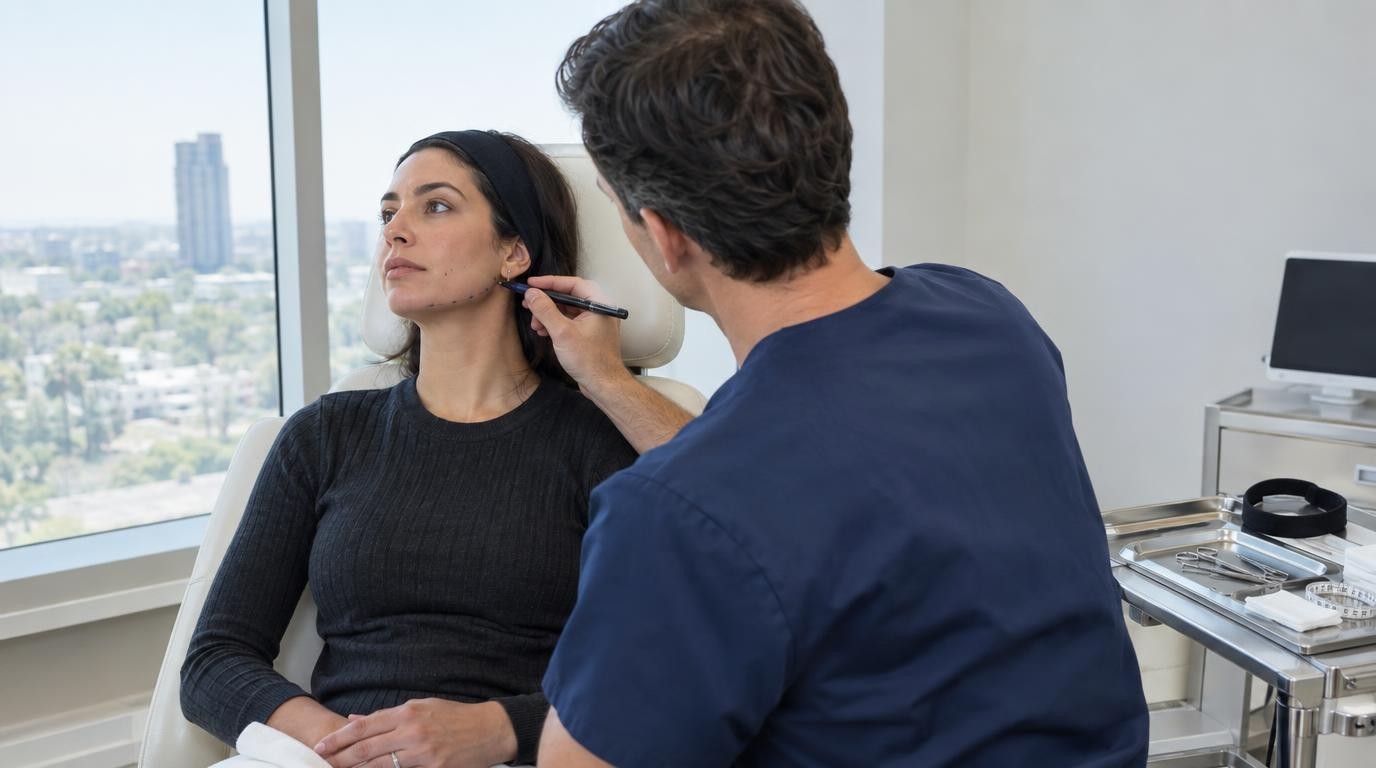
A consultation may be useful when skin and underlying tissue along the lower face make the jawline appear less defined, or when loose neck skin and visible neck bands are concerns. Some people want to discuss both areas because changing the face without assessing the neck may not address everything they notice. Others may need a more limited plan.
At La Belle Vie Clinic, the preoperative process includes a medical history, an examination, and a discussion of goals and realistic results. Dr. Mangubat’s conversation with you is an opportunity to explain which changes matter most and hear what surgery may or may not achieve. If you are weighing a mini facelift against a more extensive approach, our guide to choosing facial rejuvenation offers additional questions to bring to that discussion.
What Happens During Facelift and Neck Lift Surgery?
Facelift surgery generally involves incisions near the hairline and ears, adjustment of underlying tissue, and removal of excess skin. Depending on the plan, a surgeon may also address neck tissue or fat beneath the chin. La Belle Vie Clinic discusses the procedure, anesthesia, and surgical setting with each patient before surgery.
Where are facelift incisions typically placed?
La Belle Vie Clinic describes incisions that begin within the temple hairline, follow the area around the ear, and end in the hair behind it. That placement gives the surgeon access to lift loose skin and tighten underlying connective tissue and sagging muscles. When fat beneath the chin or in the neck needs attention, the plan may include an additional small incision under the chin.
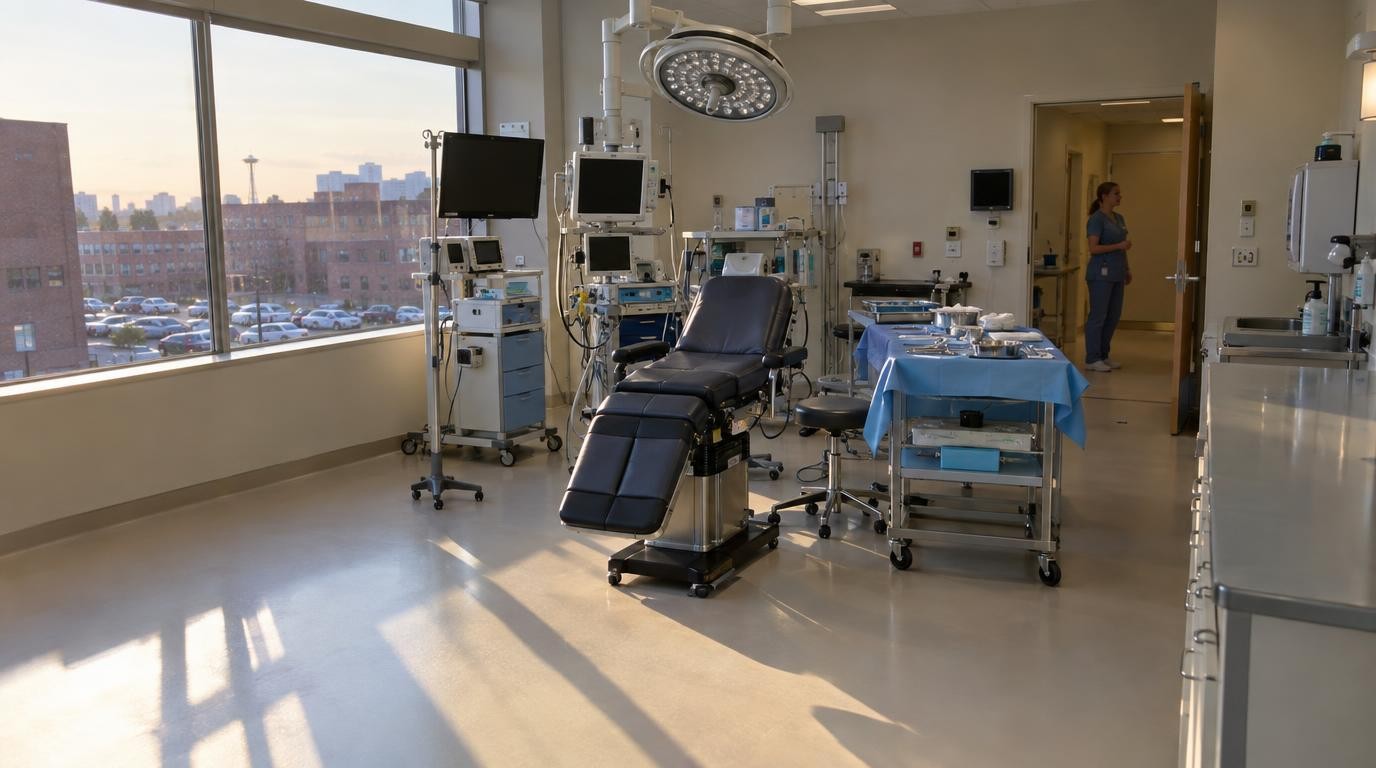
The clinic explains that surgery may take place in an office, outpatient surgical facility, or hospital, under general anesthesia or local anesthesia, with the anesthesia choice discussed beforehand. A facelift may take from three to five hours or more, depending on whether other procedures are done at the same time. Your surgeon can explain what is proposed, why each step is included, and what recovery may involve. For practical planning after surgery, see our facelift recovery guide.
Risks, Side Effects and Who Is Not a Candidate
A facelift and neck lift involves surgical risks as well as expected short-term effects. Swelling, bruising, discomfort, and temporary numbness can occur during recovery. Possible risks include bleeding, infection, noticeable scarring, changes in sensation, asymmetry, poor wound healing, hair loss near incisions, nerve-related weakness, and reactions to anesthesia. Discuss your personal risks with your own clinician before deciding.
Some effects resolve as healing progresses, but others can persist or require additional care. A result may also differ from what you hoped to see. La Belle Vie Clinic’s preoperative discussion includes possible risks and complications, so bring up any concerns about healing, scars, or changes in facial movement.
An active infection or an uncontrolled medical condition is a reason to discuss with your clinician whether elective surgery should wait until it is safe. Whether you can safely undergo the planned anesthesia, and whether your surgical risks outweigh the likely benefit, are questions your surgeon should assess with you. Smoking, medications that affect bleeding, and other health factors also need an individual review; do not stop prescribed medication without guidance. A thorough history and examination help Dr. Mangubat determine whether surgery is appropriate, whether a plan should change, or whether it is better not to operate.
How Can You Choose a Plan That Fits Your Face and Neck?
The most useful plan starts with your anatomy, the changes you want to address, and an honest discussion of benefits and risks. Deep plane principles can inform that conversation, but the technique’s name alone cannot tell you which operation is right for you or what result to expect.
If you are considering surgery for jowls, a sagging jawline, or loose neck skin, contact La Belle Vie Clinic in Seattle to arrange a consultation with Dr. Mangubat. You can discuss your goals, ask whether a deep plane approach is appropriate, and learn what a personalized face and neck lift plan might involve.
Frequently Asked Questions
How can I find out if a deep plane facelift is right for my jawline?
Book a consultation and come prepared with specific questions. Ask Dr. Mangubat whether he would use a deep plane technique for your jawline, why or why not, and how the alternative he recommends would address your jowls and neck. It can also help to point out, in a mirror or photos, the exact areas that bother you most.
Will I need a neck lift with my facelift?
A neck lift may be included if loose neck skin or changes in underlying neck tissue need attention alongside your lower face. It is not automatically part of every facelift. During an examination, your surgeon can assess your jawline and neck together and explain whether a combined or more limited plan suits your goals.
Where are the incisions for a face and neck lift?
Your surgeon will show you the proposed incision lines before surgery. Because the incisions run into the hair at the temple and behind the ear, a small amount of hair at the temples or around the ears may be shaved. The incisions are closed with tiny sutures.
How long does recovery take after a facelift and neck lift?
Recovery varies with the procedures performed and your individual healing. Our facelift page notes that the loose bandages applied after surgery are removed within a few days. Ask your surgeon when you can expect to resume your usual activities and what follow-up care you will need.
What results can I realistically expect from a deep plane facelift and neck lift?
The goal is a pleasing, natural appearance, and the extent of change depends on your anatomy and the surgical plan. Photographs are taken before and after surgery to help gauge the amount of improvement. No technique guarantees a particular appearance, so describe the result you hope to see at your consultation.
Which health and safety topics should I cover at a facelift consultation?
Discuss your medical history, smoking, medications, and whether the planned anesthesia is appropriate for you. Preoperative instructions may include stopping certain aspirin-containing drugs for several weeks before surgery to reduce the chance of excess bleeding, and antibiotics may be prescribed to help prevent infection. Do not change prescribed medications on your own; your clinician can advise you after reviewing your circumstances.
This article is general information and is not medical advice. Talk to a licensed clinician about your own situation before making a treatment decision.
