
Last updated: October 1, 2026
Fat transfer on the face moves fat from another part of your body to areas where you want more facial volume. The facial fat transfer service at La Belle Vie Clinic offers Seattle-area adults, including patients from Burien, a surgical option to discuss alongside injectable treatments.
What is fat transfer on face, and how does it work?
Facial fat transfer is a surgical procedure that collects a patient’s own fat from a donor area, prepares the fat, and places it beneath the skin to restore volume or soften contours. The goal is to add fullness where facial volume loss has changed the face’s shape, while keeping the result in proportion with surrounding features.
Because the transferred material comes from your own body, facial fat grafting differs from treatment with a manufactured injectable filler.
Which facial areas can fat grafting address?
Potential treatment areas include hollow cheeks, sunken temples, under-eye hollows, and facial skin indentations. The thin skin around the eyes makes careful assessment especially important. If changing facial structure is your priority, you may also want to learn about chin and cheek augmentation.
Does fat transfer to the face really work?
Facial fat transfer can add lasting volume when grafted fat establishes a blood supply and survives in its new location. Some transferred fat is reabsorbed during healing, so the final change may be smaller than the initial fullness. No surgeon can promise a fixed amount of retained fat or perfectly matching contours on both sides of the face.
Surviving grafted fat can remain as living tissue, whereas many injectable fillers gradually wear off and may call for repeat treatment. Fat transfer also involves donor-area healing and a less predictable final volume. For additional reading, see fat transfer results and research.
What changes can patients realistically expect?
Patients may notice softer transitions through the cheeks or temples and less noticeable hollowness in a selected area. Natural facial asymmetry may still be visible afterward. Discussing which changes matter most to you helps your surgeon plan for improvement rather than promise an exact shape. For a closer look at fat transfer under the eyes, learn what results you may expect as healing progresses.
Who is a good candidate for facial fat grafting?
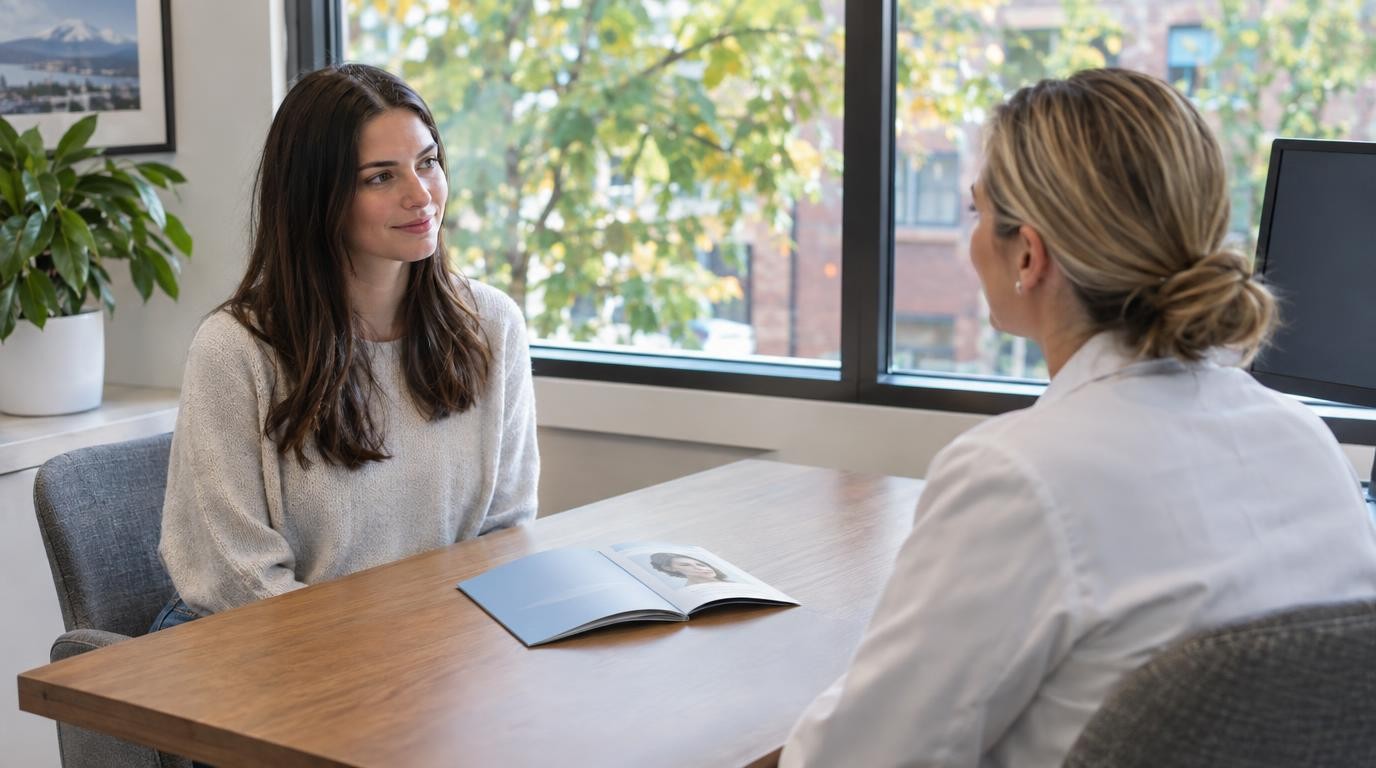
A good candidate for facial fat grafting generally has an area of facial volume loss, enough donor fat to collect, and health that supports a surgical procedure. A consultation helps determine whether fat transfer, an injectable treatment, or another option better fits the desired change.
Your surgeon will review your health history, medications, donor areas, and the facial features you want to address. If weight changes are part of your story, our guide to fat transfer after weight loss offers additional context for that conversation.
How risky is facial fat grafting?
Common short-term effects include swelling, bruising, tenderness, and soreness where fat is collected. Possible risks include infection, uneven contours, firm areas, and fat that does not remain where expected; injection into a blood vessel can cause rare, serious harm, including changes in vision. People with an active infection in a treatment area or a health condition that makes surgery unsuitable should not proceed without clinical clearance. Discuss your personal risks, benefits, and alternatives with your surgeon before deciding.
What happens during a facial fat transfer procedure?
A facial fat transfer procedure begins with a consultation and a plan for both the donor area and the face. The exact collection and placement plan depends on your anatomy, the amount of volume sought, and the surgeon’s assessment.
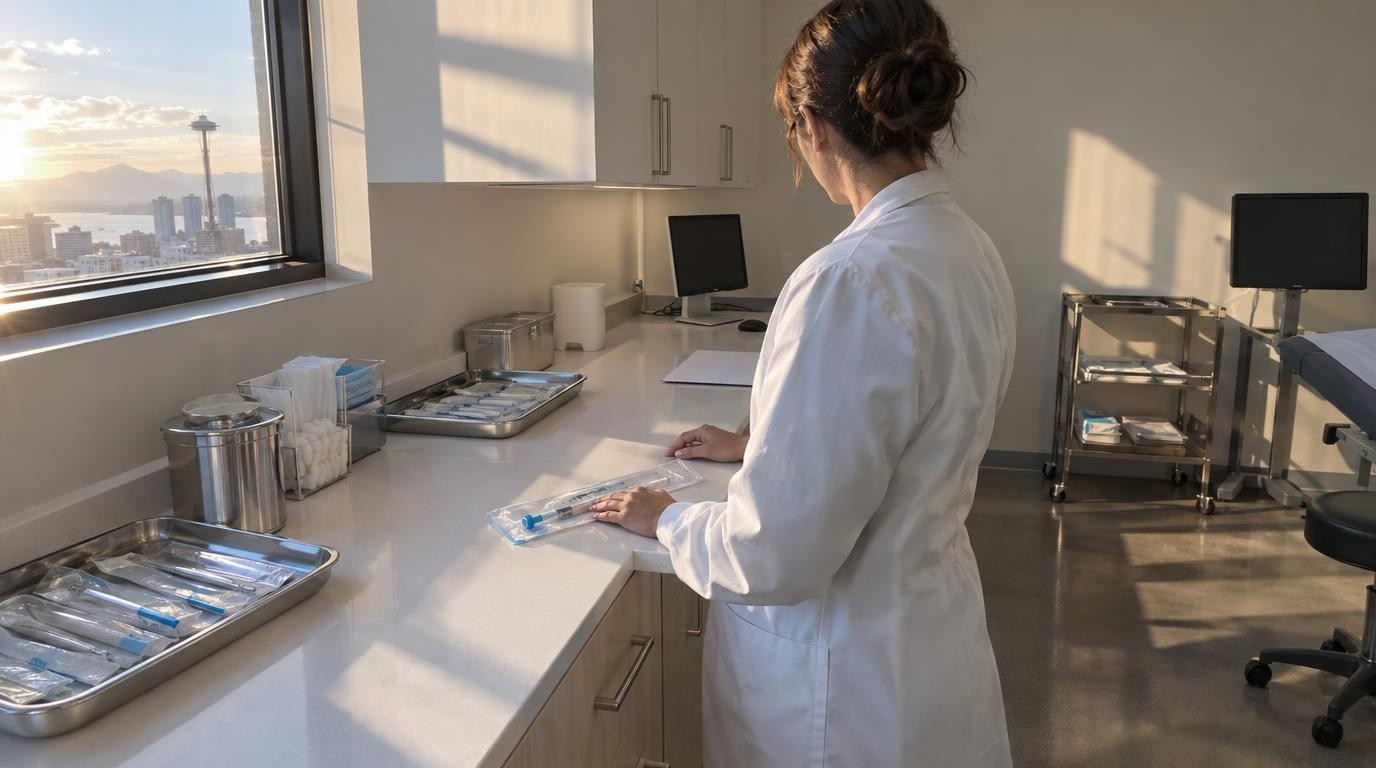
The procedure itself involves attention to both ends of the transfer: the donor area must heal, and the facial placement must suit your existing contours. Readers considering the collection step can find more general background in our Seattle liposuction guide.
How is fat collected and prepared before it is placed in the face?
The surgeon selects a donor area, collects fat using liposuction, and prepares the collected material for placement. The prepared fat is then introduced into the planned facial areas in small amounts to build volume with control. Procedure length varies with the treatment plan:
| Source | Procedure-length guidance |
|---|---|
| Cleveland Clinic | Fat injections usually take 30 minutes to an hour or more, depending on the patient, the volume placed, and any additional procedures. |
What is recovery like after facial fat transfer?
Recovery after facial fat transfer involves healing in both the face and the area where fat was collected. Your face may initially look fuller because of swelling. Your surgeon will give you aftercare instructions based on your treatment, health history, and daily activities.
Plan for the appearance of the treated areas to change during healing rather than treating the first look in the mirror as the final outcome. Donor-area soreness and facial swelling may follow different courses. Your care team can explain activity guidance, follow-up visits, and which changes warrant a call.
When can you judge your facial fat transfer results?
At follow-up visits, your surgeon can compare your healing with the original treatment goals and advise when an assessment is meaningful for you. If you hope to improve a specific hollow or indentation, ask how that area will be evaluated as your face settles.
Is facial fat transfer right for your goals?
Facial fat transfer may suit adults who want to restore selected areas of volume and are comfortable with a surgical procedure and a result that settles over time.
If you are considering facial fat transfer, contact La Belle Vie Clinic in Seattle to ask about a consultation. Whether you are coming from Burien or elsewhere in the area, our team can discuss your goals, examine potential donor and treatment areas, and help you understand your options.
Risks, Side Effects and Who Is Not a Candidate
No medical treatment is free of risk, and what is right for you depends on your own health history. Before going ahead, ask a licensed clinician at La Belle Vie Clinic which side effects are common with this treatment, which complications are possible, and which medical conditions, medicines, allergies or pregnancy plans would make it unsafe for you. If a prescription medicine, device or injectable is involved, ask whether it is approved for this use or used off-label, and ask to see its label and warnings. This article is general information and is not medical advice.
Frequently Asked Questions
How long does a facial fat transfer last?
Facial fat transfer can provide lasting volume when the grafted fat establishes a blood supply and remains as living tissue. Some fat is absorbed during healing, so the amount that lasts varies by person. Your surgeon can assess the settled result at follow-up, but cannot promise a fixed amount of retained fat.
Will my face look overfilled right after fat transfer?
Your face may look fuller at first because swelling adds to the appearance of the newly placed fat. As swelling eases, some transferred fat may also be absorbed, making the final change subtler than the initial look. Your surgeon can help you assess the result at follow-up visits as your face settles.
How is facial fat transfer different from injectable fillers?
Facial fat transfer uses fat collected from your own body, while injectable fillers use manufactured materials. Fat that survives the transfer can remain as living tissue and provide lasting fullness; many fillers gradually wear off and may need repeating. Fat transfer is surgical, requires healing where fat was collected, and has variable retention.
Where does the fat used for facial fat transfer come from?
The fat comes from a donor area on your own body, chosen with your surgeon during treatment planning. It is collected through small-volume liposuction, prepared, and placed in selected facial areas in small amounts. You need enough available donor fat, and both the collection area and your face will need time to heal.
What should I plan for after facial fat transfer?
Plan for healing in both your face and the area where fat was collected. Swelling, bruising, tenderness, and donor-area soreness are common early effects, and your appearance will change as healing progresses. Ask your care team for personalized activity guidance, follow-up plans, and instructions on when to contact them with questions.
What should I ask at a facial fat transfer consultation?
Ask whether your facial goals are best addressed with fat transfer, fillers, or another approach. Your surgeon can review your health history, medications, available donor fat, and the areas you want to treat. Also discuss your personal risks, benefits, alternatives, and how the surgeon will evaluate your result after healing.
