
Last updated: October 1, 2026
A 360 body lift after weight loss removes excess skin around the lower torso and reshapes the adjoining contours. If persistent skin folds affect your comfort or clothing fit, a consultation can help determine whether a body lift fits your goals; you can review our complete body lift service page beforehand.
What is a 360 body lift after weight loss?
A 360 body lift after weight loss is surgery to remove loose skin around the lower torso and improve the shape of the abdomen, waist, hips, and adjoining areas. Surgeons may also call the procedure a circumferential body lift or lower-body lift. The exact areas treated depend on an individualized surgical plan.
Which areas does a circumferential body lift address?
A circumferential body lift generally addresses skin excess that continues from the front of the lower torso around the sides to the back. Depending on a patient’s anatomy and goals, the plan may also improve the appearance of the outer hips and buttocks. A lower-body lift does not automatically include the arms, breasts, or upper back.
Is a full body lift the same as a belt lipectomy?
These terms can overlap, but they do not always describe an identical operation. Belt lipectomy commonly refers to removing a band of skin around the waistline, while “full body lift” may be used more broadly. Ask which areas a proposed operation includes rather than relying on its name alone. Our guide to full body lift surgery offers more context for that conversation.
Why can excess skin persist after weight loss?
Excess skin can persist because prolonged stretching may leave skin unable to contract enough to match a smaller body contour. Collagen and elastin help skin maintain its structure and elasticity, but significant weight loss can leave redundant tissue even after weight stabilizes. Skin quality and the amount of remaining skin vary by person.
As the Cleveland Clinic explains in its guidance on excess skin removal, body-contouring surgery can remove skin that remains after major weight loss. Persistent loose skin does not mean a person has failed to exercise or maintain healthy habits; it reflects how that person’s skin has responded to change.
Can exercise tighten post-weight-loss sagging skin?
Exercise can strengthen muscles and support overall health, but it cannot remove substantial redundant skin. Some people find that their skin folds are manageable without surgery. For others, an assessment can clarify whether surgical removal would address concerns that exercise cannot change.
Who may benefit from a 360 body lift?
Adults with stable weight, persistent lower-torso skin excess, suitable overall health, and realistic expectations may benefit from a 360 body lift. The decision depends on where the loose skin lies, how the folds affect daily life, and whether the expected improvement justifies surgery and a lasting scar for that patient.

Can skin folds cause rashes and daily discomfort?
Hanging skin can trap moisture, chafe during movement, make hygiene more difficult, or complicate clothing fit. Some people also experience recurring irritation or rashes. These concerns are worth discussing and documenting, but a skin-fold concern alone does not establish that a particular operation is medically necessary.
Why does weight stability matter before surgery?
Stable weight helps a surgeon evaluate the contours that surgery needs to address. Further substantial weight change can alter the result and may affect the treatment plan. At La Belle Vie Clinic, your surgeon can review your health history, weight pattern, and areas of concern to help assess whether the timing and scope of surgery suit you.
What happens during a 360 body lift procedure?
During a 360 body lift, a surgeon removes planned areas of excess skin around the lower torso and closes the remaining tissue to reshape the contour. The operation involves incisions around the body, but their location and extent vary. Anesthesia, any additional contouring, and postoperative care depend on the individual surgical assessment.
Is a posterior body lift part of a 360 body lift?
A circumferential plan includes treatment of the back portion of the lower torso, but a posterior body lift treats the back and adjoining areas without necessarily treating the abdomen. If loose skin is concentrated behind you, a posterior-only approach may be worth discussing. The best scope follows the location of your skin excess, not a procedure label.
Can body contouring procedures be staged?
Yes. When concerns extend beyond the lower torso, a surgeon may recommend separate operations rather than treating every area together. Staging depends on health, the extent of surgery, recovery needs, and personal priorities. Our guide to body contouring after major weight loss explains how different areas can be considered as part of an overall plan.
How long does it take to recover from a 360 body lift?
Recovery from a 360 body lift requires time away from usual demands, help with some daily tasks, follow-up care, and a gradual return to activity. Healing varies with the extent of surgery and individual health. Your surgeon’s instructions, rather than a general schedule, should guide movement, work, exercise, and garment use.
Johns Hopkins Medicine advises patients undergoing the body-contouring procedures it describes to take at least two weeks off work and restrict normal activity for 4-6 weeks. Those figures are general guidance, not a promise of recovery time for a 360 body lift.
What support and activity planning help during recovery?
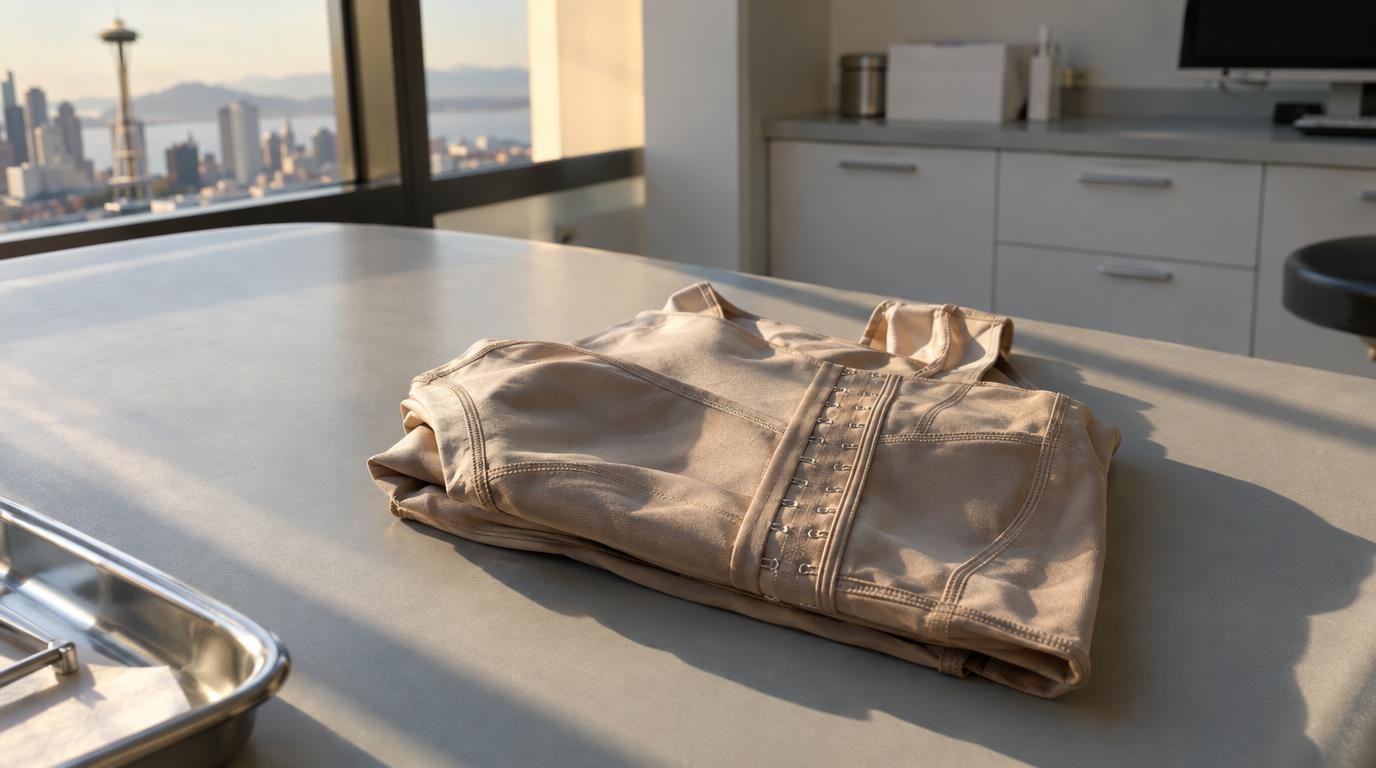
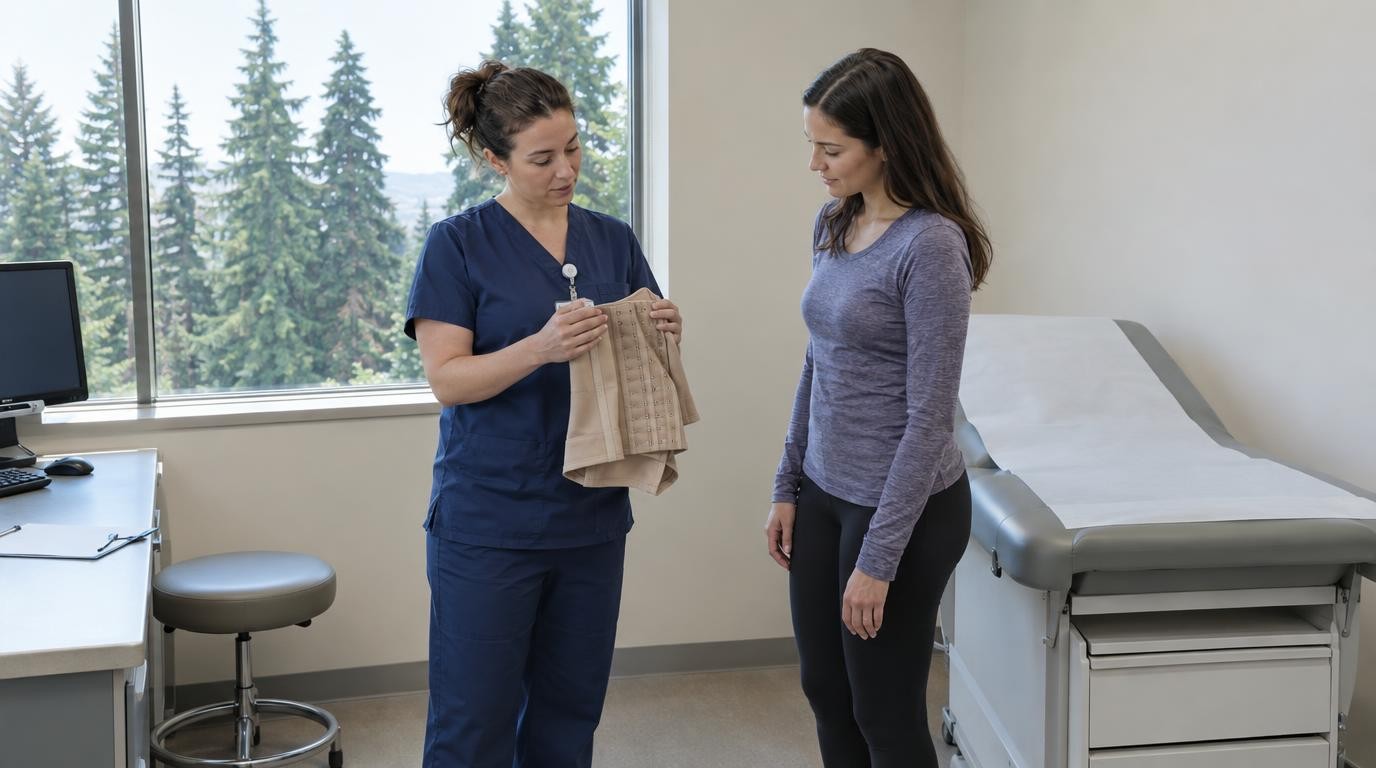
Arrange a ride home and help with meals, household tasks, and other responsibilities during early recovery. Your surgeon may prescribe a compression garment and will schedule visits to check healing. Before surgery, ask what help you will need at home, how to care for incisions, and when your usual activities can resume.
What results and scars can you expect from a 360 body lift?
A 360 body lift can improve lower-torso contour by removing skin that hangs or forms folds, but results vary by anatomy and healing. Surgery leaves a circumferential scar, and it cannot guarantee a perfectly smooth contour or resolve every source of discomfort. A consultation should weigh likely benefits against those lasting trade-offs.
Where are the scars from a belt lipectomy?
A belt lipectomy typically leaves an incision line that travels around the lower torso. The planned position depends on the skin being removed and may be discussed in relation to clothing coverage, but a scar remains. Ask your surgeon to show where the proposed incision would sit on your body.
Will a 360 body lift remove abdominal stretch marks?
A 360 body lift removes stretch marks only when the skin containing those marks is removed. Stretch marks on skin that remains will still be present, although their position may change as tissue is reshaped. Your surgeon can explain which areas of marked skin are included in a proposed plan.
How is a 360 body lift different from panniculectomy and Lipo 360?
A panniculectomy removes an abdominal overhang, a 360 body lift addresses skin excess around the lower torso, and Lipo 360 removes fat around the torso without removing loose skin. These procedures address different concerns and are not interchangeable. The right comparison starts with whether your main concern is an abdominal fold, circumferential skin, or fat.
The procedures differ most clearly by what each one removes:
| Procedure | Primary purpose | Key limitation |
|---|---|---|
| Panniculectomy | Remove hanging abdominal skin | Does not necessarily reshape the waist and back |
| 360 body lift | Remove lower-torso skin around the body | Requires a circumferential incision |
| Lipo 360 | Remove fat around the torso | Does not remove redundant skin |
Will insurance cover a 360 panniculectomy?
“360 panniculectomy” is not a standard synonym for a circumferential body lift. Coverage depends on the actual procedure proposed, documented medical criteria, and the terms of your individual plan. Ask your surgeon’s team and insurer which procedure is being considered and what documentation the plan requires.
What are the downsides of Lipo 360?
Lipo 360 does not remove loose skin, so it may not address the folds that prompt many people to seek care after weight loss. Liposuction also has risks, including swelling, contour irregularity, numbness, and fluid buildup. If redundant skin is your primary concern, discuss whether skin removal would better match your goal.
How can you discuss a 360 body lift at a Seattle consultation?
A Seattle consultation is an opportunity to explain where skin folds trouble you and learn which treatment scope may fit your anatomy and health. At La Belle Vie Clinic, discuss your medical history, weight stability, goals, expected scars, and recovery support. The assessment may identify a different approach as a better fit.
What questions should you ask about your surgical plan and recovery?
- Which areas would the proposed operation treat, and which would remain unchanged?
- Where would the incisions and resulting scars be?
- Would a posterior-only approach or a staged plan better fit my goals?
- What help should I arrange at home, and what activity limits should I expect?
- Which risks in my health history should I discuss before deciding?
Risks, Side Effects and Who Is Not a Candidate
A 360 body lift has meaningful surgical risks as well as expected temporary effects. Swelling, bruising, soreness, and changes in skin sensation can occur during healing; risks include infection, bleeding, fluid buildup, poor wound healing, blood clots, and anesthesia-related problems. A surgeon must assess whether your health makes the operation appropriate.
People with an active infection, an uncontrolled medical condition, or health concerns that make anesthesia or healing unsafe should not proceed unless a clinician determines those concerns have been addressed. Ongoing major weight changes or nicotine use may also call for postponement. Discuss your medical conditions, medications, and personal risks with your own clinician before considering surgery.
Is a 360 body lift right for your goals?
A 360 body lift may be worth considering when stable weight has left persistent lower-torso skin folds that you want to address. The decision should account for the area treated, the lasting scar, recovery demands, and your individual risks. A consultation can distinguish circumferential skin removal from narrower procedures or nonsurgical goals.
If you would like to discuss your skin-fold concerns, contact La Belle Vie Clinic in Seattle, Washington, to request a consultation. Bring your questions about treatment scope, scarring, and recovery so your options can be considered in the context of your health and goals.
Frequently Asked Questions
Is there a required waiting period after weight loss before a 360 body lift?
There is no set waiting period for a 360 body lift after weight loss. What matters is whether your weight has stabilized enough for a surgeon to assess your lower-torso contours. Further substantial weight changes can alter the result, so a consultation should review your weight pattern, health, and goals.
Can a 360 body lift help if skin folds rub when I walk or affect how clothes fit?
A 360 body lift may help by removing lower-torso skin that forms folds and affects comfort or clothing fit. The procedure treats skin around the abdomen, sides, and back according to an individual plan. A surgeon can assess whether the folds bothering you are within the proposed treatment area; relief is not guaranteed.
Does a 360 body lift also reshape the hips and buttocks?
It can, depending on your anatomy and surgical plan. A 360 body lift primarily removes loose skin around the front, sides, and back of the lower torso. It may also improve the appearance of the outer hips and buttocks. Ask your surgeon to identify which areas the proposed operation would reshape.
Will I need help at home after a 360 body lift?
Yes, arrange a ride home and help with meals, household tasks, and other responsibilities during early recovery. How much assistance you need depends on your surgery and healing. Before the procedure, ask your surgeon about incision care, follow-up visits, possible compression garment use, and limits on your usual activities.
When can I return to work and normal activities after a 360 body lift?
Your return depends on your surgical plan and healing. Johns Hopkins Medicine advises at least two weeks off work and 4-6 weeks of restricted normal activity for the body-contouring procedures it describes; those timelines are not guaranteed for a 360 body lift, so follow your surgeon’s instructions.
Will a 360 body lift scar be hidden by clothing?
It may be possible to plan the incision with clothing coverage in mind, but a 360 body lift leaves a scar around the lower torso. Its position depends on which skin is removed, and clothing will not necessarily conceal it. Ask your surgeon to show where the proposed incision would sit on your body.
This article is general information and is not medical advice. Talk to a licensed clinician about your own situation before making a treatment decision.
