
Last updated: October 13, 2026
Years after pregnancy, guided core training can still improve strength and symptoms associated with diastasis recti. If a confirmed separation continues to cause a belly bulge or functional difficulty despite training, surgical repair may be worth considering; the right approach depends on your anatomy and goals.
How Can You Fix Diastasis Recti Years Later?
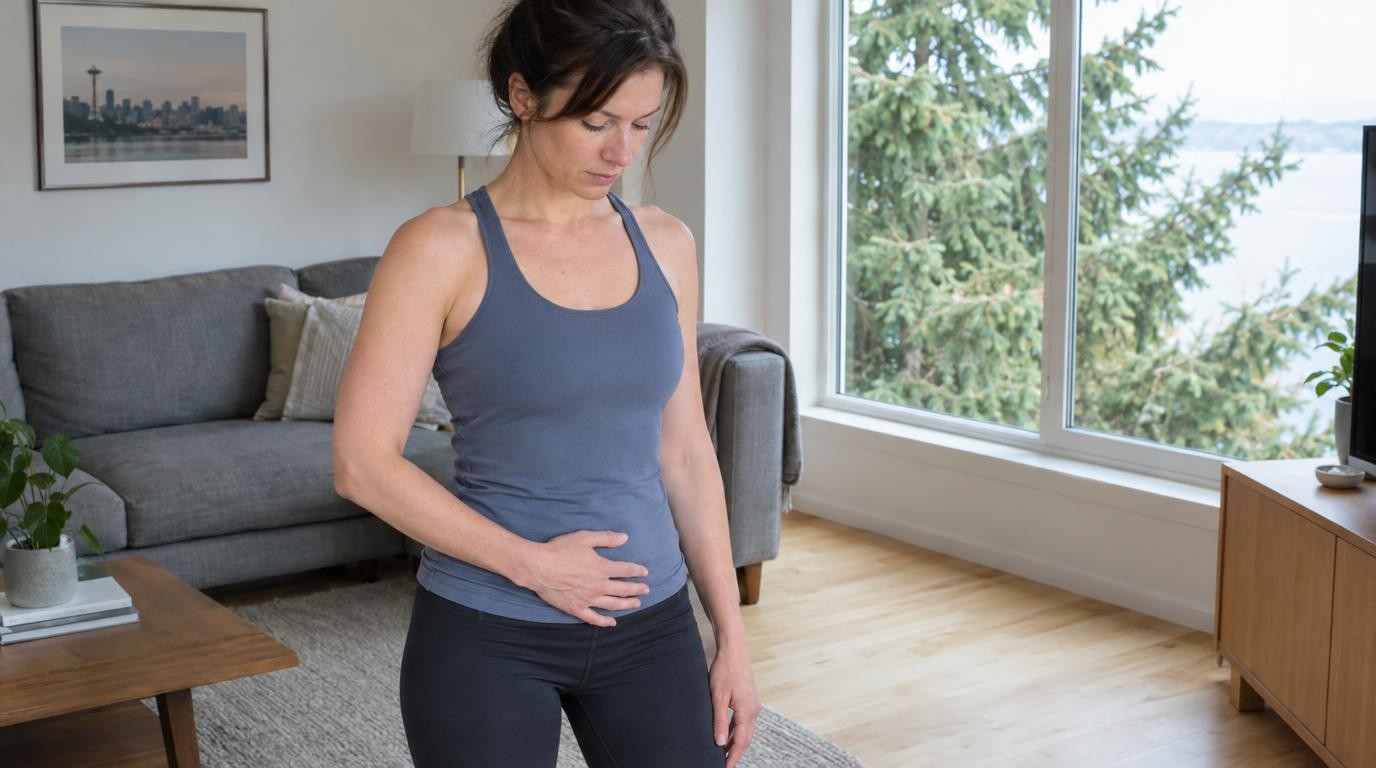
Diastasis recti years later can be addressed with individualized core training and, for some people, surgical repair. Diastasis recti is a widening between the rectus abdominal muscles. A persistent belly bulge or weak core can prompt an assessment, but neither symptom establishes the diagnosis. Time since pregnancy alone does not determine whether treatment can help.
Can I heal my diastasis recti after 5 years?
Yes. Cleveland Clinic’s diastasis recti guidance says exercises can help address abdominal separation even years after delivery. Results vary: some people gain strength and better control without fully closing the gap, while others may benefit from an evaluation for repair.
The muscles and the connective tissue between them need to be assessed to identify the source of a bulge. At La Belle Vie Cosmetics, abdominal muscle repair is an option for appropriately selected patients, not an automatic next step for everyone with a weak core.
What Exercises Can Help With Diastasis Recti After Pregnancy?
Try gentle deep-core activation: inhale, then exhale while gently tightening your lower abdomen without holding your breath. Gentle pelvic floor contractions followed by full relaxation and slow heel slides with bent knees are other movements to discuss with a physical therapist, who can check your form and progress exercises as you gain control. Stop or modify a movement that makes your abdomen cone or dome. Exercise can improve function, but no single routine reliably closes every long-standing separation or replaces an assessment of persistent symptoms.
When should you get help from a pelvic floor physical therapist?
Consider help when you are unsure how to engage your core or have ongoing weakness that limits daily activities. A pelvic floor physical therapist experienced with diastasis recti can assess your movement and symptoms and tailor your plan. That is more useful than treating any one exercise as universally safe or effective.
International guidance offers a framework, not a U.S. requirement. The 2021 recommendations proposed for Swedish national guidelines place physiotherapy first and recommend a standardized core-training program before surgery is considered for functional impairment.
Will Diastasis Recti Go Away If I Lose Weight?
Weight loss may change the shape of the abdomen, but weight loss does not necessarily bring separated rectus muscles back toward the midline. Abdominal fat, loose skin and muscle separation can each contribute to a persistent belly bulge. Identifying which tissues are involved matters because weight management, core training and surgery address different concerns.
Could an outie belly button or belly bulge signal a hernia?
Yes. A new or concerning navel bulge could be a hernia rather than diastasis recti, and the conditions can occur together. MedlinePlus’s diastasis recti overview notes that an umbilical hernia may occur with abdominal separation. A clinical examination can distinguish a widened midline from a possible hernia; the Swedish guidance recommends imaging when a concurrent hernia or another cause of symptoms cannot be excluded.
When Should You Consider Diastasis Recti Repair?
Consider diastasis recti repair when a confirmed separation continues to cause weakness or a bulge despite appropriate core training and the symptoms matter to your daily life. Surgical candidacy also depends on overall health, stable weight, future pregnancy plans and realistic expectations. Repair may improve function, but relief from back pain or other symptoms cannot be promised.
Who may be a candidate for focused muscle repair?
At La Belle Vie Cosmetics, focused repair may suit someone with persistent separation or weakness, a bulge despite exercise, little excess skin, good general health and a stable weight, particularly if they have completed pregnancies and do not plan future ones. In clinical practice, distinguishing muscle separation from skin excess helps determine whether focused repair is likely to address the person’s main concern.
The Swedish recommendations cited above provide one international framework, not a universal surgical cutoff or a La Belle Vie Cosmetics eligibility rule:
| Swedish guidance | What it means |
|---|---|
| At least 6 months of core training | Swedish guidance recommends a standardized program before considering surgery for functional impairment. |
| Separation of at least 5 cm | Swedish guidance proposes this width before surgery is considered, while allowing consideration of a smaller separation with pronounced bulging or a concurrent hernia. |
How Does Abdominal Muscle Repair Work?
Abdominal muscle repair brings separated rectus muscles toward the midline with internal sutures. At La Belle Vie Cosmetics, the operation is typically performed under general anesthesia through a low abdominal incision that provides access beneath the skin and fat. The surgical plan depends on the extent of separation and whether abdominal contouring is also needed.

What is rectus plication?
Rectus plication is the suturing technique used to draw the separated muscle edges toward the midline and tighten their supporting connective tissue. Our abdominal muscle repair generally takes 2 to 3 hours; the time varies with the extent of repair and any additional contouring. The incision and the amount of skin treatment depend on the agreed surgical plan.
How Is Focused Muscle Repair Different From a Tummy Tuck?
Focused muscle repair addresses abdominal separation without making significant skin removal the main goal. A tummy tuck can combine muscle tightening with removal of excess skin and fat. Liposuction contours fat but does not repair separated muscles. The best fit depends on whether muscle separation, skin excess, fat or a combination is causing the concern.
When might excess skin change the surgical plan?
Significant loose skin may make a tummy tuck more appropriate than focused repair alone. Mayo Clinic’s tummy tuck overview explains that the operation can remove loose skin and fat while repairing rectus diastasis.
What Are the Risks of Diastasis Recti Repair?
Mild discomfort, tightness and swelling are expected during the first few days after abdominal muscle repair; possible complications include bleeding, infection, fluid collection, wound-healing problems, blood clots, anesthesia problems and recurrent separation. We cannot reliably quantify rates for these complications from the evidence used here. Your individual risks depend on your health and the planned operation, so discuss them with your surgeon.
Who should delay or avoid abdominal muscle repair?
Someone planning another pregnancy or whose weight is changing may be better served by delaying repair because those changes can affect the result. Health conditions that affect healing or fitness for general anesthesia also require individual assessment. Discuss your medical history, symptoms and surgical risks with your own clinician before deciding on treatment.
Seek urgent medical care after surgery for chest pain, shortness of breath, severe or worsening abdominal pain, or new pain and swelling in one leg. Call your surgical team promptly if you develop fever, spreading redness around the incision, pus-like drainage, or an incision that opens.
How Long Does Recovery Take After Diastasis Recti Repair?
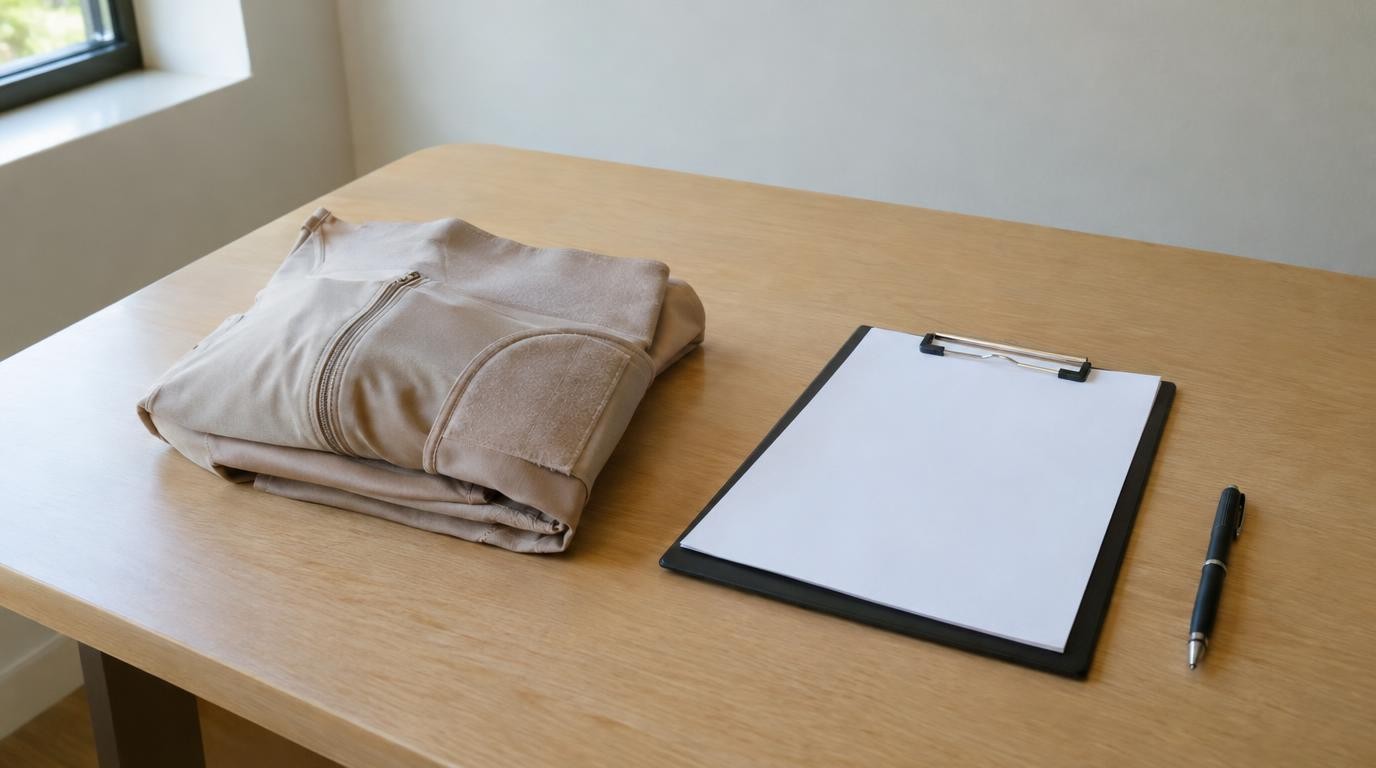
At La Belle Vie Cosmetics, most patients return to light daily activities within 1 to 2 weeks, avoid strenuous exercise and heavy lifting for about six weeks, and see their abdominal contour continue to settle over several months. Your surgical team’s instructions take priority, and a supportive compression garment helps support your abdomen as it heals.
When can you return to exercise and lifting?
Avoid strenuous exercise and heavy lifting for about six weeks, or until your surgical team clears you; timing depends on your operation and healing. Our typical recovery stages are:
| Stage | La Belle Vie Cosmetics’ guidance |
|---|---|
| Early recovery | Wear the recommended compression garment; mild discomfort, tightness and swelling are expected during the first few days. |
| Within 1 to 2 weeks | Most patients resume light daily activities. |
| For about 6 weeks | Avoid strenuous exercise and heavy lifting unless your surgical team gives different instructions. |
| Over several months | Swelling and abdominal contour continue to settle. |
Is Diastasis Recti Repair Permanent?
Diastasis recti repair is intended to provide a long-lasting result, not a guarantee of permanent separation closure or symptom relief. Later pregnancy, substantial weight changes or recurrence can change abdominal shape and function. A durable-looking contour and an improvement in core symptoms are related goals, but they are not the same outcome for every patient. For a closer look at diastasis recti before and after repair, see how abdominal contour and function may change.
What improvements can patients reasonably expect?
A 2021 literature review of rectus diastasis repair reported improvements in core stability, back and abdominal pain, posture, urinary incontinence, abdominal muscle strength and quality of life across 10 papers involving 780 patients. These are study findings, not promises of individual relief: inconsistent outcome measures prevented the reviewers from comparing results across studies.
Frequently Asked Questions
How can I check for diastasis recti at home?
A home check can suggest diastasis recti but cannot confirm it:
- Lie on your back with your knees bent and feet flat on the floor.
- Lift your shoulders slightly, supporting your head with one hand.
- Use the fingers of your other hand to feel for a gap along the midline above your belly button.
- Note how many finger widths fit between the abdominal muscles. Cleveland Clinic uses a gap of two or more finger widths as a reason for clinical assessment.
What does a clinician measure during a diastasis recti exam?
A clinician can measure the space between your rectus muscles with a ruler or caliper. Tell them when you notice bulging or weakness and how it affects daily activities so you can discuss the measurement alongside your symptoms.
Should I avoid crunches and sit-ups if I have diastasis recti?
Avoid crunches, sit-ups and other movements that push your abdomen outward while you are addressing diastasis recti. Cleveland Clinic recommends working with a physical therapist experienced in the condition to choose and progress exercises. That does not mean every core movement must be avoided indefinitely; your response to exercise matters.
Can a belly binder heal diastasis recti?
No. A belly binder cannot close the separation or strengthen your core muscles. Cleveland Clinic notes that an elastic belly band may provide support and remind you to engage your core and use good posture. It is a support tool, not a substitute for guided strengthening or an assessment of persistent symptoms.
Can men get diastasis recti?
Yes. Diastasis recti can affect men, although it is most commonly associated with pregnancy. Cleveland Clinic identifies chronic or excessive straining, including heavy lifting or constipation, and sudden weight changes as possible contributors in men. A persistent midline bulge or weakness can have other causes, including a hernia.
How long after childbirth should I wait before considering diastasis recti surgery?
The proposed Swedish recommendations advise waiting at least 2 years after the last childbirth before surgery and not planning another pregnancy. This is an international recommendation, not a universal rule or a La Belle Vie Cosmetics eligibility requirement.
Are there minimally invasive ways to repair diastasis recti?
Yes. Laparoscopic and robotic approaches have been developed for some patients with diastasis recti who have little excess abdominal skin or fat, as discussed in an article on the American Society of Plastic Surgeons’ site. At La Belle Vie Cosmetics, our abdominal muscle repair generally uses a low abdominal incision. The appropriate approach depends on your anatomy, including whether you have excess skin or a hernia.
How Can Patients From Kirkland Discuss Their Repair Options?
Patients from Kirkland can discuss persistent abdominal separation with La Belle Vie Cosmetics in Seattle without committing to surgery. A consultation considers abdominal structure, symptoms, previous core training, skin excess, overall health and personal goals. Depending on those findings, the discussion may favor continued nonsurgical care, focused muscle repair or muscle repair with a tummy tuck.
If you are weighing those options, contact La Belle Vie Cosmetics to arrange a consultation with Dr. Tony Mangubat, MD, a board-certified cosmetic surgeon, at 206-575-0300. Our team can help you understand what an assessment might clarify and whether any procedure fits your goals.
This information is general and is not medical advice. Talk to a licensed clinician about your own situation before making a treatment decision.
