

Last updated: October 17, 2026
Septorhinoplasty for a deviated septum combines septoplasty to straighten the internal septum with rhinoplasty to address other nasal structures for breathing, appearance, or both. The American Academy of Facial Plastic and Reconstructive Surgery explains that functional rhinoplasty can address structural breathing problems such as nasal valve collapse, even when cosmetic reshaping is not the goal. A deviated septum does not automatically require surgery, and septum repair does not automatically require a change in how your nose looks.
What is septorhinoplasty for a deviated septum?
Septoplasty addresses the cartilage-and-bone wall between the nasal passages, while rhinoplasty changes nasal features such as the bridge or tip. At La Belle Vie Cosmetics, rhinoplasty and septoplasty surgery can be planned together or septoplasty can be performed on its own.
What surgery do you get when you have a deviated septum?
Septoplasty is the surgery that straightens a symptomatic deviated septum. Rhinoplasty may be added when another nasal structure needs correction for breathing, an appearance change is appropriate, or both. Mayo Clinic’s deviated septum treatment guidance suggests considering septoplasty when symptoms persist despite medical treatment. Before surgery, ask whether nasal steroid and saline sprays could help manage your obstruction and whether contributing allergies or sinus problems call for other treatment, such as an antihistamine or decongestant. These measures may relieve symptoms, but they cannot straighten the septum.
How is septorhinoplasty different from septoplasty alone?
Septoplasty straightens the internal septum to address obstruction without intentionally reshaping the outside of the nose. Septorhinoplasty adds work on other nasal structures for breathing improvement, an appearance change, or both.
| Option | Primary focus | Effect on appearance |
|---|---|---|
| Septoplasty | Straightening the septum to address obstruction | Not intended to reshape the outside of the nose |
| Septorhinoplasty | Straightening the septum and adjusting other nasal structures for airflow, appearance, or both | May change the visible shape of the nose, but cosmetic change is not always the goal |
Does correcting the septum also change the shape of the nose?
Septoplasty is not designed to produce a cosmetic change. Depending on the anatomy and correction required, however, functional work can affect nasal structures. Someone seeking a specific change to a crooked nose or prominent bridge should discuss that goal explicitly rather than assume septum repair will achieve it. Our guide to rhinoplasty for an aquiline nose explains one distinct bridge-shaping goal.
When might a deviated septum need surgical evaluation?
Persistent nasal blockage or trouble breathing may justify an evaluation, especially when symptoms interfere with sleep or daily activities. Congestion, snoring, and nosebleeds are clues rather than proof of a deviated septum. An examination can establish whether a structural blockage is present and whether allergies, sinus disease, or another cause also needs attention.
Can a blocked nose, loud snoring, or frequent nosebleeds mean you have a deviated septum?
Yes, but none of those symptoms confirms the diagnosis. A crooked nose or an old injury can add useful context. Johns Hopkins Medicine’s deviated septum guidance identifies trouble breathing through the nose as a common symptom and explains that a clinician examines the nasal passages to diagnose the condition. Bringing a history of which side feels blocked, previous injuries, and treatments already tried helps distinguish structural obstruction from other causes. For more on the functional procedure, see our deviated septum surgery guide.
Does septoplasty reduce sinusitis?
Septoplasty may help when a deviated septum contributes to impaired drainage, but it is not a guaranteed treatment for sinusitis. Sinus symptoms can have other causes, so the evaluation should identify what is driving them before surgery is planned. Straightening the septum addresses the deviation; it does not replace assessment of a separate sinus condition.
Who might be a candidate for combined septum and nose surgery?
A candidate for septorhinoplasty may have a symptomatic deviated septum and need rhinoplasty to address another structural source of blockage, achieve an appropriate appearance change, or both. Good overall health and realistic expectations matter. We assess which procedures suit your anatomy; difficulty breathing alone does not establish a need for cosmetic reshaping.
Can a previous nasal injury affect the surgical plan?
Yes. An injury may affect the septum, the visible shape of the nose, or both. Dr. Tony Mangubat, our board-certified cosmetic surgeon, considers the patient’s breathing concerns and appearance goals together when planning which structures need attention. A prior injury is a reason to explain what changed and when, not a reason to assume combined surgery is necessary.
What happens during septorhinoplasty at La Belle Vie Cosmetics?
At La Belle Vie Cosmetics, rhinoplasty and septoplasty are typically performed under general anesthesia. When both are included, the operation generally follows these steps:
- The surgeon makes the incisions needed for the planned correction.
- The deviated septum is straightened, and other nasal structures are adjusted as planned to improve airflow, change appearance, or both.
- The incisions are closed, and a small protective splint is placed for initial healing.
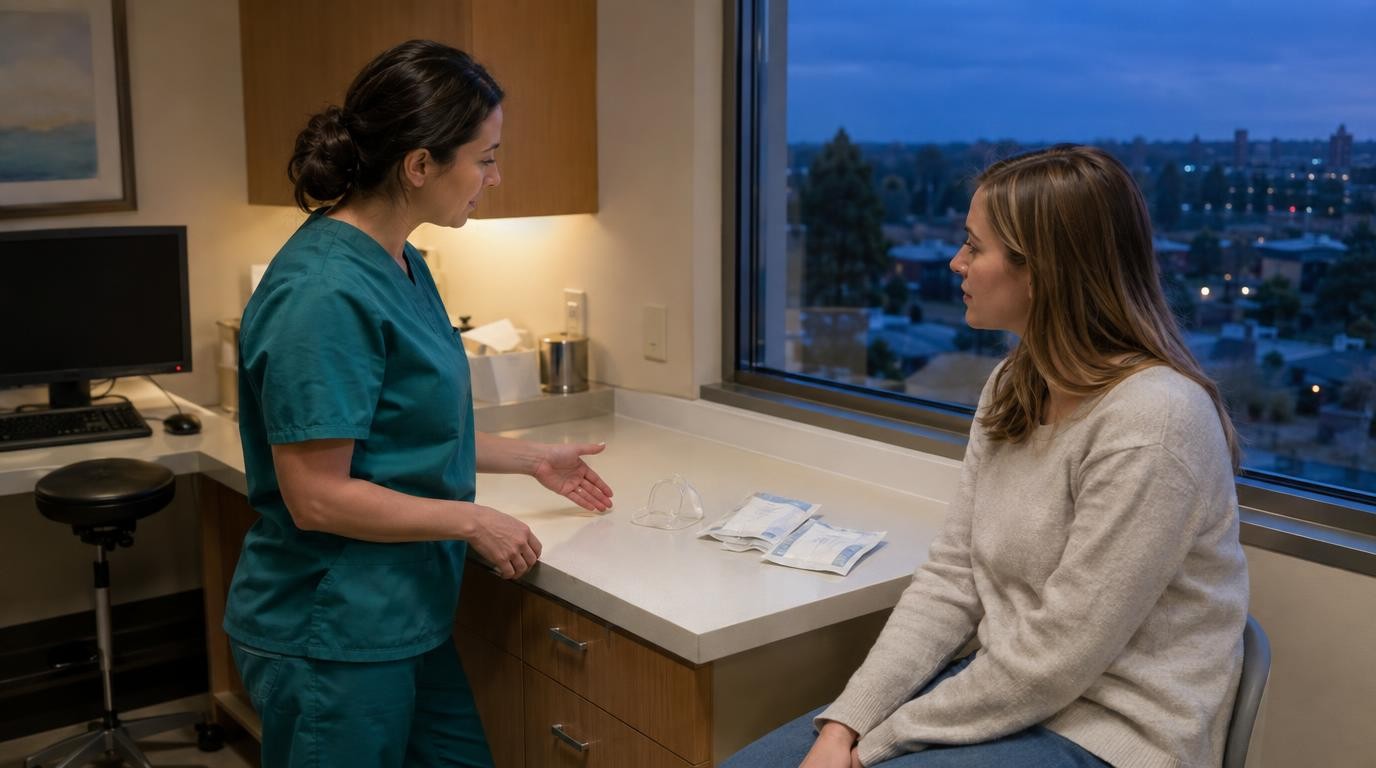
How is the deviated septum straightened and the nose reshaped?
During septoplasty, the surgeon generally makes an incision inside the nose and lifts the lining over the septum. The surgeon then trims, moves, or repositions crooked cartilage and bone before returning the lining to place; the exact correction depends on your anatomy. When rhinoplasty is included, we also adjust other nasal structures as needed for airflow, the planned contour, or both. At La Belle Vie Cosmetics, the combined procedure generally takes 1.5 to 3 hours, depending on the extent of correction.
When might an open or closed rhinoplasty approach be used?
With a closed approach, incisions are inside the nostrils, so there is no visible external incision. An open approach adds a small incision across the columella, the tissue between the nostrils, to give the surgeon greater access for more complex reshaping. The choice follows the surgical plan, not a rule that one approach is best for every patient.
How long does recovery take after septorhinoplasty?
At La Belle Vie Cosmetics, swelling, bruising, and mild discomfort around the nose and eyes commonly ease within one to two weeks. Light activity may resume within a few days, while usual routines often resume within one to two weeks. Healing continues beyond that initial period, and the exact schedule depends on the operation performed.

Our postoperative guidance includes sleeping with your head elevated and avoiding contact sports or glasses resting directly on the nasal bridge until fully healed. Swelling resolves gradually, so early appearance is not the final result.
How long does it take to recover from deviated septum and turbinate reduction surgery?
For septoplasty with turbinate reduction, roughly one to two weeks is a guide to initial recovery, based on Cleveland Clinic’s septoplasty recovery guidance; your surgeon will determine your return-to-activity plan for the combined operation. According to Cleveland Clinic’s turbinate reduction guidance, people who have turbinate reduction under general anesthesia may return to normal routines in about one week, but turbinate healing can take up to six weeks and nasal crusting can last up to three weeks. Cleveland Clinic’s septoplasty guidance also notes that full septal recovery can take several months. If rhinoplasty is added, swelling and activity restrictions may change your recovery plan; we will give you instructions based on all the procedures performed.
What changes to breathing and nose shape can patients expect?
Septal correction aims to make nasal airflow easier. Rhinoplasty may address other structures that restrict airflow, create the agreed-upon nasal shape, or both. Neither complete symptom relief nor an exact appearance is guaranteed. At La Belle Vie Cosmetics, the intended changes are long-lasting, but each patient’s outcome depends on anatomy and healing.
In a randomized trial published in The BMJ, 378 adults with at least moderate nasal obstruction associated with a deviated septum were assigned to septoplasty or six months of a nasal steroid and saline spray. In the BMJ trial, mean six-month Sino-Nasal Outcome Test-22 scores were 19.9 in the septoplasty group and 39.5 in the medical-management group; lower scores indicate fewer symptoms. The trial did not measure cosmetic outcomes of combined surgery or predict an individual result.
When will the final nose shape become apparent?
The contour becomes clearer as swelling settles over several months. Cleveland Clinic’s rhinoplasty guidance notes that the nose can take up to a year to fully settle into its new shape. A change visible early in recovery is therefore not necessarily the final contour.
What risks or reasons to postpone nasal surgery should patients discuss?
Nasal surgery involves expected short-term swelling, bruising, and discomfort, as well as risks such as bleeding, infection, and an adverse reaction to anesthesia. Breathing problems or appearance concerns can persist despite surgery. A 2026 review of septoplasty also identifies septal perforation, a hole in the septum, and recurrent deviation as possible complications. If your deviation causes no troublesome symptoms, you may not need surgery. If allergies, sinus disease, or another condition may be causing the blockage, evaluation or medical treatment may need to come first. Health concerns that affect anesthesia or healing also need assessment before surgery, and we will discuss whether the proposed correction is achievable for your anatomy.
Mayo Clinic’s septoplasty guidance notes that some people continue to have symptoms and may consider further treatment. In the BMJ trial, seven patients who underwent septoplasty (4% of 174) were readmitted to the hospital for bleeding, and another 20 (12%) required antibiotics for infections. Those trial findings are not La Belle Vie Cosmetics complication rates and should not be applied directly to a combined procedure.
Could breathing problems or appearance concerns persist after surgery?
Yes. Straightening the septum cannot resolve every possible cause of congestion, and healing may not produce precisely the contour a patient imagined. Further assessment or treatment may be needed if obstruction persists or the appearance remains concerning. Tell your own licensed clinician about your health conditions and symptoms before deciding on surgery; after an operation, seek prompt medical attention for heavy bleeding, fever, severe pain, or difficulty breathing.
Frequently Asked Questions
Can I get a free nose job if I have a deviated septum?
No. Having a deviated septum does not automatically make cosmetic rhinoplasty free. If you have insurance, your insurer determines coverage for medically necessary functional surgery separately from appearance-only changes. We cannot promise coverage or a free procedure.
How does a doctor confirm that my septum is deviated?
A clinician confirms a deviated septum by examining inside your nose, not by symptoms alone. They may use a light and a tool to gently open the nostrils, or a nasal endoscope to look farther back. An exam also helps identify other possible causes of blockage.
If I have allergies and a deviated septum, can septoplasty still help?
Yes, septoplasty may help if the deviation contributes to your nasal blockage, even when you also have allergies. A 2024 meta-analysis of patients with both a deviated septum and allergic rhinitis found greater improvement in nasal symptoms after endoscopic septoplasty than after spray therapy alone. Surgery straightens the septum, but you may still need allergy treatment for symptoms caused by inflammation.
How do I know whether I need turbinate reduction too?
You need an examination to determine whether enlarged turbinates are contributing to your nasal blockage. Turbinate reduction can be performed alongside septoplasty, but a deviated septum does not automatically mean you need it.
Could nasal valve collapse be causing my breathing problems instead of my septum?
Yes. Nasal valve collapse is another structural cause of chronic nasal obstruction, and it can occur along with a deviated septum. Septoplasty alone addresses the septum, so an evaluation should identify which structures restrict airflow. Functional rhinoplasty may be considered when the nasal valve also needs correction.
Can I go home the same day after septorhinoplasty?
Same-day discharge may be possible after septorhinoplasty, but it is not guaranteed. Septoplasty alone is usually outpatient surgery, and most people go home that day; adding rhinoplasty may change the plan depending on the extent of surgery and recovery from anesthesia.
Will I need packing or splints inside my nose after surgery?
You may have internal splints or soft packing to support the repaired septum, though the choice depends on your procedure. At La Belle Vie Cosmetics, we place a small protective splint after rhinoplasty and septoplasty. Cleveland Clinic’s septoplasty information says internal splints typically stay in place for approximately one week; whether packing is needed depends on the procedure.
Can a teenager have surgery for a deviated septum?
Septoplasty may be considered for a teenager with troublesome breathing symptoms, but if surgery is needed, it may be delayed until nasal growth is complete, usually in the mid-teens. A parent or caregiver should discuss the teenager’s symptoms with their pediatrician or family doctor.
How can Renton patients decide on their next step?
Start by identifying whether your main goal is easier breathing, a change in appearance, or both. Bring a history of nasal symptoms, past injuries, and treatments you have tried. Those details help determine whether septoplasty alone, combined surgery, or further evaluation best fits your findings and recovery expectations.
If you live in Renton, Washington, call our team at La Belle Vie Cosmetics in Seattle, Washington, at 206-575-0300 to schedule a consultation with Dr. Tony Mangubat about your breathing and appearance goals.
This information is general and is not medical advice. Talk to a licensed clinician about your own situation before making a treatment decision.
