
Last updated: November 8, 2026
After diastasis recti repair, bringing the separated abdominal muscles toward the midline may reduce a persistent bulge and make the abdomen look smoother. Your anatomy and whether excess skin or fat is also removed affect the visible result. At La Belle Vie Cosmetics in Seattle, we offer abdominal muscle repair on its own or with a tummy tuck.
What Can You Expect From Diastasis Recti Before and After Repair?
Surgery does not guarantee a flat abdomen or resolve every source of fullness. Early swelling may temporarily obscure the change in contour.
Diastasis recti involves widening of the connective tissue between the rectus abdominal muscles. Muscle separation is different from excess skin or fat, so repairing the abdominal wall may not address every concern visible in a before-and-after photo. The Mayo Clinic’s tummy tuck guidance explains that a tummy tuck can repair rectus diastasis while also removing loose skin and fat.
Before-and-after photos show one person’s anatomy, surgical plan, and stage of healing; they cannot predict another patient’s final contour. Repair leaves a low abdominal scar, usually near the bikini line, and its visibility varies as it heals. Results can last many years, but substantial weight changes or a future pregnancy can stretch the abdominal wall and change the contour.
Can I Get a Flat Tummy With Diastasis Recti?
A flatter-looking abdomen is possible if muscle separation is a significant cause of the bulge. Whether it appears flat afterward also depends on skin laxity, fat distribution, and the repair performed. At our clinic, patients may notice improved core stability, posture, or less back pain after repair, but none of these functional benefits is guaranteed.
Can You Actually Fix Diastasis Recti Without Surgery?
Yes. Some separations improve or resolve without surgery, either on their own after childbirth or with appropriate exercise or physical therapy, including years after delivery. Surgical repair is another option when separation persists; unlike rehabilitation, rectus plication uses internal sutures to draw the muscles toward the midline.
The Cleveland Clinic’s diastasis recti guidance recommends working with a physical therapist experienced in the condition to choose and progress movements; it advises avoiding crunches and sit-ups during the first six weeks postpartum. Exercise may improve strength and reduce the gap, although a persistent separation or bulge can remain. For more on persistent separation, see our options for addressing diastasis recti years later.
What Happens If Diastasis Recti Goes Untreated?
An untreated separation does not automatically worsen or require surgery. Some people have little difficulty, while others continue to notice a belly bulge, reduced abdominal control, or weakness during daily activity. Possible problems with severe or untreated separation include increased back pain, urinary leakage, constipation, pelvic or hip pain, and pain during sex; not everyone experiences them. MedlinePlus notes that an umbilical hernia can occur in some cases. A hernia is a separate condition that can cause a bulge and change the treatment plan.
How Is Diastasis Recti Repaired at La Belle Vie Cosmetics?
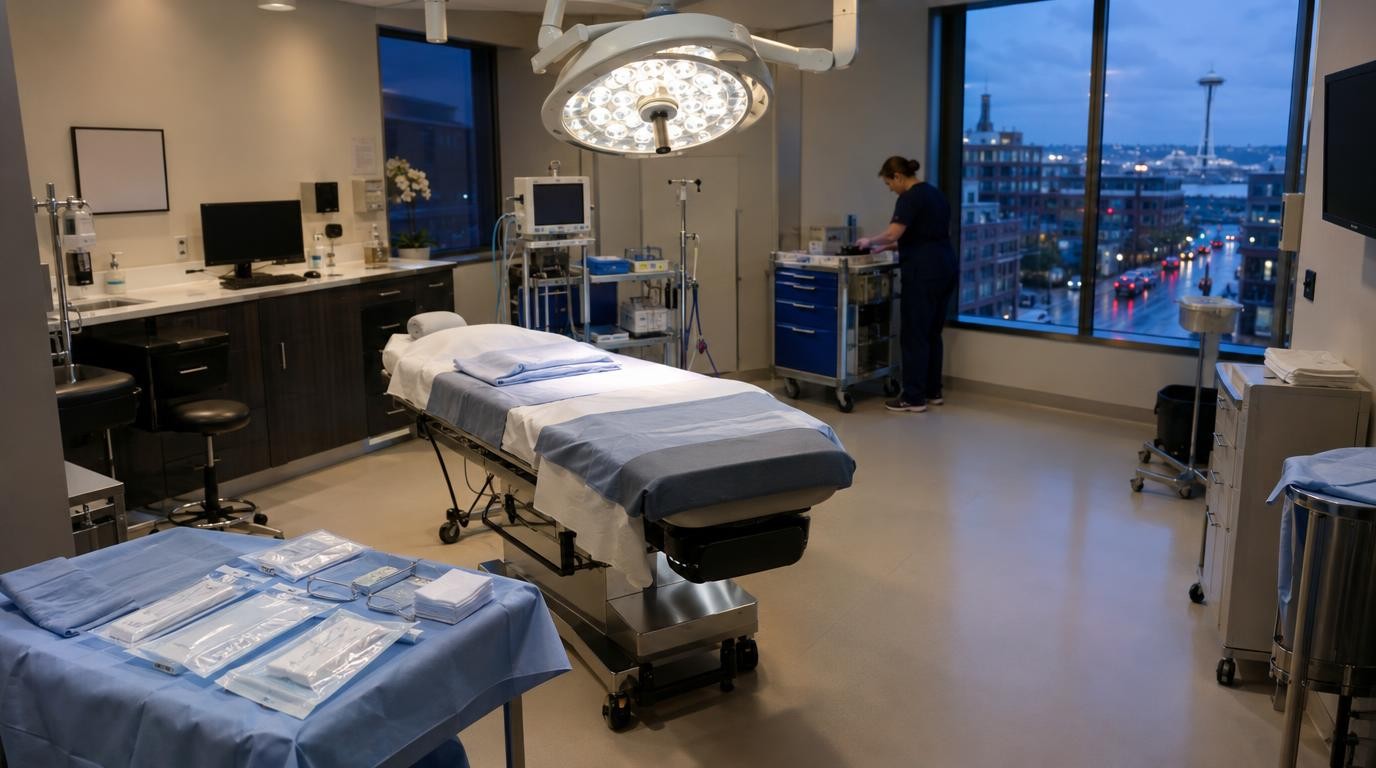
We make a low abdominal incision to access the separated rectus muscles, then use strong internal sutures to draw them toward the midline. At La Belle Vie Cosmetics, the operation is typically performed under general anesthesia and generally takes two to three hours, depending on the extent of repair and any additional contouring.
We tailor the remaining steps to your plan:
- For focused repair, we close the incision after tightening the abdominal wall, without removing excess skin.
- For repair combined with a tummy tuck, we also remove excess abdominal skin and fat before closing the incision.
Dr. Tony Mangubat, a board-certified cosmetic surgeon, considers whether muscle separation alone accounts for your concern or whether loose skin also needs treatment. Focused repair at our clinic is not an incision-free or endoscopic operation.
When Does Repair Need a Tummy Tuck Instead of Focused Muscle Repair?
Focused muscle repair may suit someone without significant excess skin; a tummy tuck with repair may be appropriate when loose skin or excess fat also needs removal. These options address different concerns:
| Option | What it can address | What it does not do |
|---|---|---|
| Guided exercise or physical therapy | May improve abdominal strength and separation | Does not surgically draw the muscle edges together or remove loose skin |
| Focused muscle repair | Sutures the widened midline when significant excess skin is absent | Does not remove excess skin |
| Tummy tuck with muscle repair | Repairs separation and removes excess abdominal skin and fat | Does not remove fat from inside the abdominal cavity |
| Liposuction | Contours selected waist or flank fat | Does not bring separated muscles together |
A review in Hernia on abdominoplasty and rectus diastasis repair emphasizes matching muscle repair and body contouring to the amount of excess tissue and the outcome the patient expects. The authors also note that minimally invasive repair requires careful patient selection. Patients comparing procedures can read our guide to abdominoplasty and diastasis recti.
What Does the Study Comparing Open and Endoscopic Repair Show?
Open and endoscopic approaches are both viable options, and the patient’s desired outcome should help guide the choice, according to a 2024 multicenter comparison in JPRAS Open. The study included 85 patients treated through abdominoplasty access and 85 treated endoscopically, with at least 12 months of follow-up. Researchers assessed patient-reported outcomes using the BODY-Q abdomen scale; their conclusion does not mean either approach is best for everyone.
Who Is a Good Candidate for Abdominal Muscle Repair?
A potential candidate has persistent abdominal muscle separation or a bulge despite exercise, is in good general health, has a stable weight, and has realistic goals. Completed pregnancies are preferable because a future pregnancy may stretch the abdominal wall again. Candidacy also depends on skin excess, symptoms, and the cause of the bulge.
How Long Does It Take to Correct Diastasis Recti?
There is no single correction timeline. An article on the American Society of Plastic Surgeons website estimates that pregnancy-related separation resolves on its own within 12 months of delivery for roughly half of affected women. With appropriate exercises or physical therapy, the time to improvement varies with the amount of separation and how consistently you practice. Surgical repair brings the muscles together during the operation, but healing and the final visible contour continue to improve over several months.
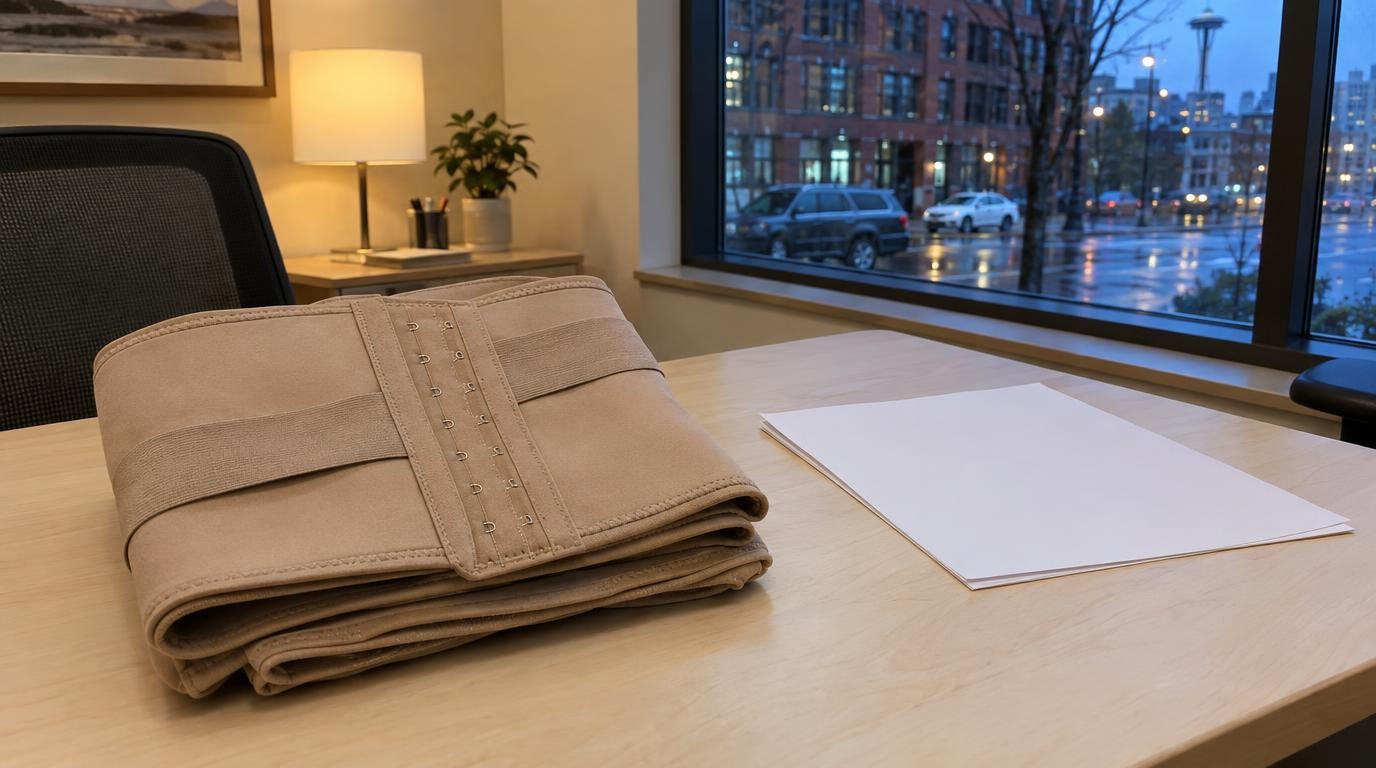
At La Belle Vie Cosmetics, mild discomfort, tightness, and swelling are normal for the first few days and are generally controlled with medication. Most patients return to light daily activities within 1–2 weeks. We recommend a supportive compression garment to help manage swelling and support the repaired area as it heals. Patients preparing for recovery can read more about what diastasis recti repair recovery can involve.
When Can You Return to Exercise After Repair?
At La Belle Vie Cosmetics, we advise avoiding strenuous exercise and heavy lifting for about six weeks. Returning to light daily activities does not mean the repair is ready for abdominal training, particularly if the operation included a tummy tuck or additional contouring.
What Are the Risks of Diastasis Recti Repair, and Who Should Avoid It?
Expected mild early discomfort, tightness, and swelling are different from possible complications, which include bleeding, infection, fluid collection, wound-healing problems, blood clots, anesthesia complications, and recurrent separation. No procedure-specific complication rates are provided here; your individual risk depends on your health and the planned operation. Poor general health, unstable weight, plans for future pregnancy, or current nicotine use may make surgery unsuitable now or change the recommended plan. Follow your surgeon’s requirements for stopping smoking and all nicotine products before and after surgery.
Seek urgent medical care for chest pain or shortness of breath after surgery; these can be signs of a blood clot in the lung or another serious complication. Contact the surgical team promptly about fever, spreading redness, drainage, or pain or swelling that suddenly worsens. These warning signs are different from the mild, gradually improving symptoms expected during early healing.
Discuss your health history, medications, symptoms, and the risks of your proposed operation with your own clinician before deciding on treatment.
Frequently Asked Questions
How can I tell if I have diastasis recti at home?
Lie on your back with your knees bent and feet flat, lift your shoulders slightly, then feel for a gap above your belly button. According to Cleveland Clinic, a gap of two or more finger widths can suggest diastasis recti; a healthcare professional can confirm it with an exam.
Will wearing a belly binder close diastasis recti?
No, a belly binder cannot close diastasis recti or strengthen your core. It may provide support and remind you to engage your abdominal muscles and maintain good posture. A postoperative compression garment has a different purpose – at La Belle Vie Cosmetics, we use one to support the healing area and help manage swelling after repair.
Can a diastasis recti repair use my existing C-section scar?
Possibly. Mayo Clinic notes that a surgeon may be able to incorporate an existing C-section scar into a new tummy tuck scar. Our repair uses a low abdominal incision; whether it can incorporate your scar depends on the scar’s location and the planned procedure.
Can diastasis recti come back after surgical repair?
Yes, abdominal separation can recur after repair, particularly if the abdominal wall is stretched again. Cleveland Clinic notes that repeated pregnancies increase the risk of diastasis recti. At La Belle Vie Cosmetics, future pregnancy plans and stable weight are part of deciding whether surgery is right for you.
Can men have diastasis recti repaired?
Yes, men can develop diastasis recti and may be candidates for repair. Weight fluctuations and prior abdominal surgery can contribute to separation. Whether focused repair or a tummy tuck fits depends in part on how much excess skin is present.
Can a hernia be repaired at the same time as diastasis recti?
Sometimes. A hernia needs its own diagnosis and surgical plan, but it may be repaired during the same operation as diastasis recti. An article on the American Society of Plastic Surgeons website describes combined repairs, sometimes with a general surgeon involved. Hernia repair is not automatically part of abdominal muscle repair.
How Can Patients From Shoreline Discuss Repair Options in Seattle?
Patients traveling from Shoreline can request a consultation with our Seattle team. Dr. Mangubat can assess whether muscle separation, loose skin, or another cause of fullness is driving your concerns and discuss which treatment options fit your goals.
If a persistent bulge or separation is affecting your comfort or confidence, contact La Belle Vie Cosmetics to arrange a consultation with Dr. Tony Mangubat. Call 206-575-0300 to discuss the next step with our Seattle team.
This information is general and is not medical advice. Talk to a licensed clinician about your own situation before making a treatment decision.
