
Last updated: November 12, 2026
A top surgery scar is permanent, but its appearance commonly becomes less noticeable as the scar matures. For people recovering from FTM chest masculinization, the most useful approach is to protect healing incisions, follow postoperative instructions for their surgical technique, and report concerning changes rather than waiting for a follow-up visit.
What Does a Top Surgery Scar Look Like After FTM Surgery?
Double-incision top surgery typically leaves two lower-chest scars near the pectoral folds and may leave marks around repositioned nipple grafts. Keyhole surgery leaves a smaller incision scar. Scar visibility varies with the technique and individual healing.
Where Are Double-Incision Top Surgery Scars Placed?
At La Belle Vie Cosmetics, we generally place double-incision scars along the lower border of the pectoral muscle fold to make them less conspicuous. For FTM & MTF chest reconstruction with double incision, we reduce and reposition the areolas using nipple grafts. The resulting FTM top surgery scars vary with incision placement, skin characteristics, and healing.
Does Keyhole Top Surgery Leave a Scar?
Yes. Keyhole surgery still requires a small incision to remove tissue, so a keyhole top surgery scar is possible. A shorter incision does not mean a scar-free result, and it is not the right approach for every chest. For a broader comparison of incision patterns, see our top surgery techniques and planning guide.
How Do Top Surgery Scars Change During Healing?
Top surgery scars can initially look red, dark, raised, or firm, then gradually flatten, soften, and fade. Scar maturation takes time, and the eventual color and texture vary between patients. A changing early scar does not necessarily signal a problem, but a scar that grows unusually thick or extends beyond its incision deserves assessment.
How Long Does It Take for a Top Surgery Scar to Fade?
Surgical scars may continue maturing for 12–18 months, according to an American Board of Cosmetic Surgery guide to postoperative scarring. The pace varies, and a scar will not disappear completely. Incision tension, sun exposure, skin tone, and individual healing can affect how noticeable it remains. Our chest reconstruction healing guide offers more context for changes during recovery.
What Is the Difference Between a Hypertrophic Scar and a Keloid?
A hypertrophic scar is raised but stays within the original incision; a keloid grows beyond its boundaries. The review An Updated Review of Hypertrophic Scarring describes hypertrophic scarring as abnormal wound healing involving excess extracellular matrix and connective tissue at the injury site. The distinction matters because a clinician assesses the scar type before suggesting treatment.
When Can I Start Using Silicone Scar Gel After Top Surgery?
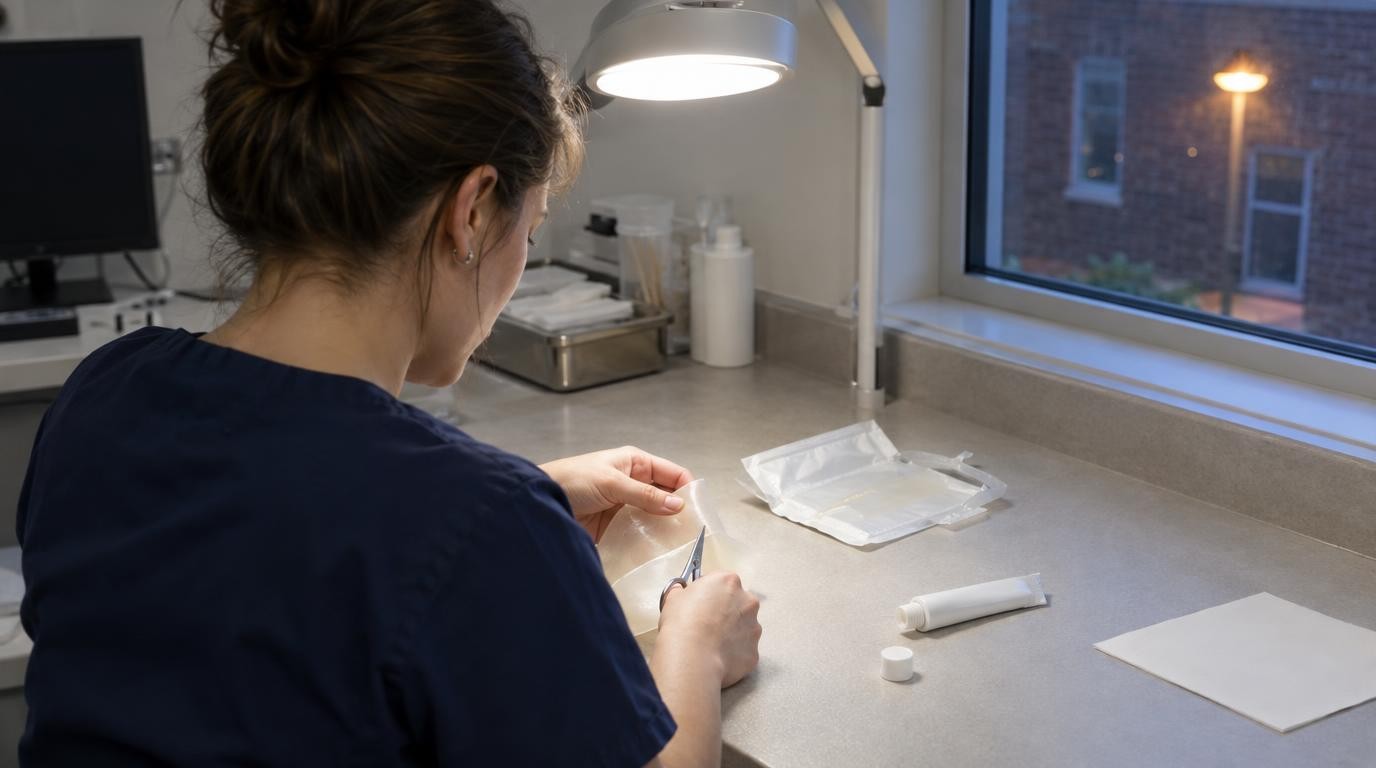
Start silicone scar gel only when the skin where you will apply it is fully closed, clean, and dry and our surgical team confirms it is ready; there is no universal postoperative start day. A DailyMed silicone scar gel label warns against applying gel to broken skin, open wounds, or sutured wounds before sutures are removed. Our separate instruction allows silicone sheets or tape when bandages come off, following our directions for the particular site. Bandage removal alone does not mean an incision or nipple graft is ready for gel.

Can I Use Silicone Sheets or Tape When My Bandages Come Off?
Yes, following our directions for the particular site. At La Belle Vie Cosmetics, dressings commonly come off 6–7 days after surgery with free nipple grafting or at the 3–4-day postoperative visit without grafts. Those schedules do not guarantee that every incision or graft site is ready for a product. Check with us before placing silicone on an open, scabbed, fragile, or irritated area.
The International clinical recommendations on scar management identified silicone gel sheeting as an intervention with sufficient evidence for evidence-based recommendations on abnormal scars. That finding does not mean every over-the-counter scar product has comparable evidence.
What Does Research Say About Silicone Gel for Scars?
In a small study of 30 patients with several scar types, The Efficacy of Silicone Gel for the Treatment of Hypertrophic Scars and Keloids reported satisfactory results with self-drying silicone gel. It did not establish a start date or guarantee results for top surgery scars. Our guide to silicone scar gel after surgery explains the product distinction in more detail.
How Do You Do Scar Massage After Top Surgery?
Using clean hands, apply light pressure in gentle circles to a fully closed scar for 5–10 minutes, 2–3 times daily, once our surgeon approves massage. The American Board of Cosmetic Surgery describes this technique; ask our team to show you how to use it on your scar.
When Is a Top Surgery Scar Ready for Massage?
Readiness depends on whether the incision has closed, not just the date of surgery. An article on the American Board of Cosmetic Surgery’s website says incisions are typically healed enough for gentle massage after 2-3 weeks, once the surgeon confirms. Massaging an open wound could disturb healing; massage is not required for a scar to heal.
Should Scar Massage Hurt?
No. Once massage is approved, use light pressure on the closed scar rather than pressing into the incision. Pain, renewed irritation, bleeding, or an opening along the incision is a reason to stop rather than massage harder.
What Can Help a Raised or Discolored Top Surgery Scar?
Silicone-based care may help reduce the appearance of some scars, while a persistently raised scar may need a different assessment. Discoloration and excess scar tissue are separate concerns and may call for different approaches. Protecting the scar from sun exposure and allowing time for maturation also matter.
Do Retinoids or Vitamin C Fade Top Surgery Scars?
Retinoids and vitamin C are not established treatments for fading top surgery scars. Do not apply them to healing incisions without clearance. An article on the American Society of Plastic Surgeons’ website instead discusses following aftercare instructions, reducing strain, using silicone as directed, and protecting scars from sun exposure.
When Are Steroid Injections Considered for Raised Scars?
A clinician may assess injections into an established hypertrophic scar or keloid if raised tissue persists. The international scar-management recommendations cited above identified intralesional corticosteroids, alongside silicone gel sheeting, as supported options for abnormal scars. Injections are not routine care for a fresh incision, and they have potential side effects that require an individual discussion. At La Belle Vie Cosmetics, we instruct patients not to use steroid scar treatments during the first 3 weeks after surgery; that instruction is distinct from an assessment of injections for an established scar.
Who Is a Candidate for Double-Incision Versus Keyhole Top Surgery?
At La Belle Vie Cosmetics, double incision with nipple grafts is generally suited to patients with substantial excess skin and breast tissue, while keyhole is preferred when excess skin and tissue are minimal. The approaches also leave different scar patterns:
| Approach | Chest characteristics | Expected scars |
|---|---|---|
| Double incision with nipple grafts | More excess skin and breast tissue | A scar on each side along the lower pectoral fold; nipple grafts may also leave marks |
| Keyhole subcutaneous mastectomy | Minimal excess skin and breast tissue | A small keyhole-incision scar, with much less scarring than double incision |
How Does Chest Tissue Affect the Choice of Top Surgery Technique?
Dr. Tony Mangubat examines your anatomy and discusses your goals to determine which approach can create the intended contour; scar length alone does not determine the choice.
What Is a Lollipop Scar?
A “lollipop” scar is the around-the-areola and downward vertical scar from a circumvertical incision used in some breast reductions, as described by an American Society of Plastic Surgeons surgeon. Our described chest-masculinization approaches are double incision and keyhole, not a lollipop approach. Ask Dr. Mangubat which incision pattern suits your anatomy and what scar it would leave.
What Should I Avoid While Top Surgery Incisions Heal?
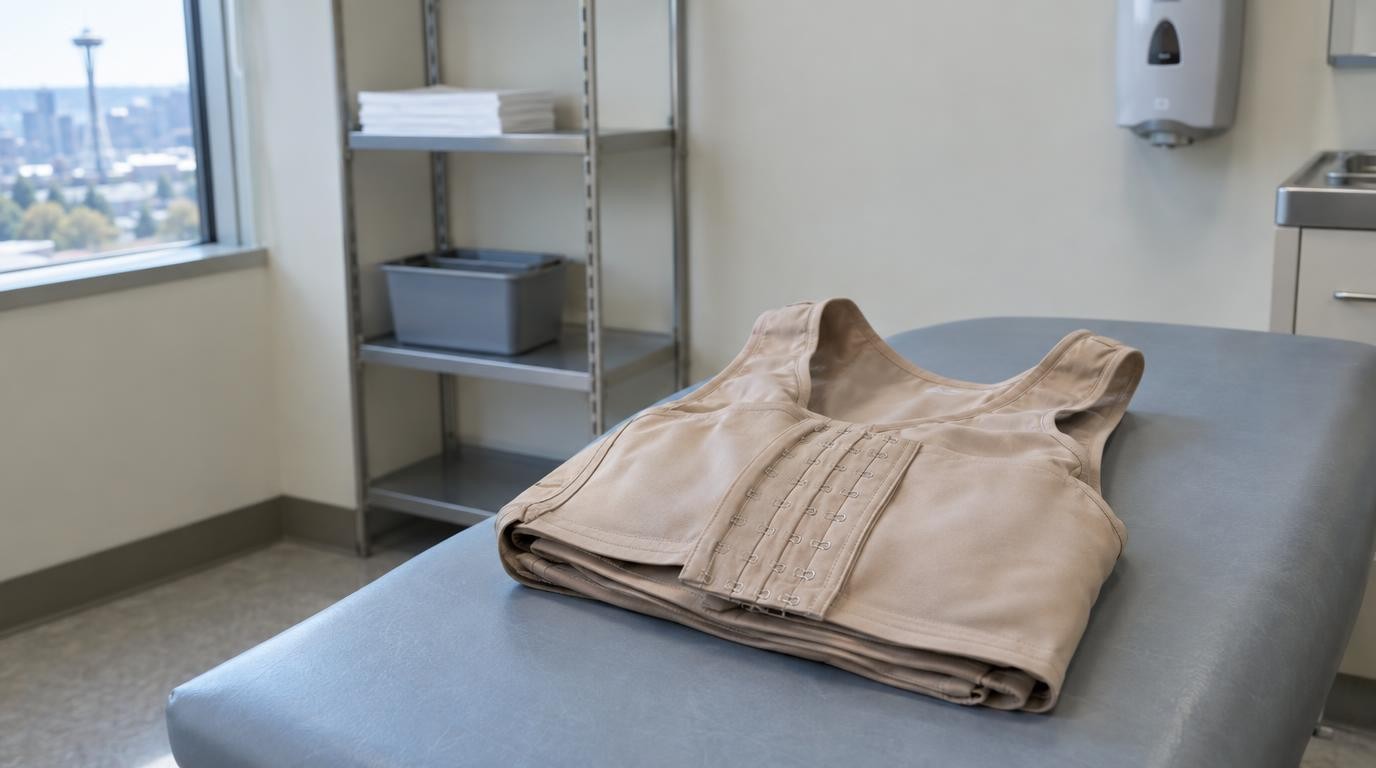
Protect healing top surgery incisions from strenuous movement, pressure, and soaking. Wash your hands before and after touching your incisions and after using the bathroom. Reaching and lifting can put tension on an incision, while resting and following wound-care instructions support healing. La Belle Vie Cosmetics gives activity limits that vary by task; follow your personalized postoperative instructions if they differ.
How Painful Is Top Surgery?
Anesthesia is used during the operation; afterward, expect some chest soreness, tightness, or discomfort as the incisions heal. Its intensity and duration vary. Follow our pain-control plan, take prescribed medicines as directed, and tell our surgical team if pain worsens or is not controlled.
Can Stretching or Lifting Affect a Healing Top Surgery Scar?
Yes. Pulling on a fresh incision can increase tension or disrupt healing. Our recovery limits are summarized below.
| Activity | La Belle Vie Cosmetics recovery instruction |
|---|---|
| Overhead lifting | La Belle Vie Cosmetics limits lifting more than 10 pounds over the shoulders for 1 month. |
| Strenuous movement | La Belle Vie Cosmetics restricts reaching, stretching, pushing, pulling, stooping, running, and similar strenuous activity for 2-3 weeks. |
| Sleeping position | La Belle Vie Cosmetics advises against stomach or side sleeping for 1 month. |
| Soaking | La Belle Vie Cosmetics advises against hot tubs, baths, or submerging incisions for at least 1 month or until all scabbing resolves. |
What Are the Risks of Top Surgery, and Who May Need to Delay It?
Top surgery carries risks including infection, wound-healing problems, a fluid collection under the skin called a seroma, and scars that remain raised or conspicuous. With double incision and nipple grafts, grafts may heal poorly and nipple sensation may change or be reduced. If you need medical or anesthesia clearance, surgery may have to wait until that evaluation is complete; our team assesses readiness individually.
When Should I Call About Redness, Swelling, or Pain?
Call our surgical team promptly for spreading redness, concerning drainage, fever, increasing swelling or pain, an incision that reopens, or a new or enlarging fluid-filled lump. These changes need assessment rather than a wait for a routine scar check. Seek emergency care for chest pain, trouble breathing, or severe, rapidly increasing chest swelling, especially if you feel faint. Do not massage an affected area or put a new scar product on an open wound.
Can My Health History Affect Surgical Clearance?
Yes. Dr. Mangubat reviews your medical history and may request additional medical clearance. At La Belle Vie Cosmetics, patients with a BMI of 36 or above meet an anesthesia provider at the preoperative appointment, about 2 weeks before surgery. For a BMI of 45 or above, anesthesia and surgery eligibility are assessed case by case. These review points are not blanket exclusions.
When Should I Discuss My Top Surgery Scars With My Surgeon in Seattle?
We assess your incisions at the three-week and three-month follow-ups, but contact our surgical team sooner if a wound change concerns you.
What Happens at the Three-Week and Three-Month Scar Checks?
At these visits, Dr. Mangubat evaluates areas that remain raised, discolored, sensitive, or incompletely healed. If needed, he may prescribe a compounded scar gel; whether and when to use it depends on that evaluation.
What Should I Ask Before Trying Another Scar Treatment?
Ask whether the incision is fully closed, what concern the product is meant to address, when to start it, and which changes should prompt you to stop. Bring the product name or ingredient list to your visit. That conversation helps distinguish routine scar maturation from a raised scar or wound concern needing a different response.
Frequently Asked Questions
How should I protect top surgery scars from the sun?
Keep healing top surgery scars out of direct sunlight. Once the skin has fully healed, use sunscreen on exposed scars; sun exposure can make scar discoloration more noticeable.
How often should I apply silicone scar gel after top surgery?
Follow your surgeon’s instructions and the label for your specific gel. The DailyMed silicone scar gel label cited above directs users to apply a thin coat to clean, dry, closed skin twice daily for 60–90 days. That is a product-specific schedule, not a universal plan for top surgery scars.
What if silicone scar gel irritates my top surgery scar?
Stop using the gel and contact your surgical team if you develop a rash or persistent irritation. The DailyMed silicone scar gel label says redness, stinging, burning, or irritation can occur on rare occasions. It warns against use on broken skin or open wounds and lists known hypersensitivity to silicone or any listed ingredient as a contraindication. Do not assume worsening redness is merely a product reaction.
Could a soft lump near my top surgery incision be a seroma?
Yes, a soft bump or swelling near a surgical incision can be a seroma – a pocket of fluid beneath the skin – but only a clinician can identify the cause. Cleveland Clinic notes that symptoms usually appear 7-10 days after surgery. Contact your surgical team if the lump is painful, growing, or concerning.
When can I consider scar revision after top surgery?
If a mature scar still bothers you, ask your surgeon about surgical revision or nonsurgical options such as laser treatment or microneedling, when appropriate. An American Society of Plastic Surgeons discussion of scar revision notes that surgeons often wait up to a year after surgery, or longer after delayed healing, to assess results before surgical revision; they typically wait 12–18 months for full scar maturity before considering laser treatment or microneedling. Have a concerning change assessed sooner. No option can erase a scar.
When can I lift weights again without straining my top surgery scars?
At La Belle Vie Cosmetics, we generally recommend waiting 1 month before resuming exercise or weightlifting, then gradually increasing the weight lifted during weeks 5 and 6. Our restrictions also prohibit lifting more than 10 pounds over your shoulders for the first month. Ask our surgical team about your specific recovery before increasing activity.
When can I return to work after top surgery if my job involves lifting?
At La Belle Vie Cosmetics, we generally recommend 3-4 weeks off for more active jobs or jobs requiring regular lifting of more than 10 pounds or lifting over your shoulders. Sedentary jobs generally call for 1-2 weeks off. Healing and pain tolerance vary, so ask us when your duties can resume without straining incisions.
What Is the Next Step for a Top Surgery Scar?
If you are considering top surgery or have questions about scar care, contact La Belle Vie Cosmetics in Seattle, Washington, for a consultation with Dr. Tony Mangubat. Call 206-575-0300 to discuss your anatomy, technique options, and an individualized recovery plan without expecting a scar-free result.
This information is general and is not medical advice. Talk to a licensed clinician about your own situation before making a treatment decision.
