
Last updated: November 9, 2026
An upper back lift typically leaves a permanent horizontal scar near the bra line; it may fade but will not disappear. At La Belle Vie Cosmetics, our upper back lift removes loose skin from the upper or mid-back rather than treating every type of back bulge.
Where Are Back Lift Scars Placed After an Upper Back Lift?
The incision can extend across the upper or mid-back, near the level of a bra band or swimsuit-top band rather than down the middle of the back. Its length and exact position depend on how much skin needs removal and where that skin lies.
According to the American Board of Cosmetic Surgery’s guidance on skin removal after weight loss, back-lift incisions are typically placed along the bra line so clothing can conceal them. That describes a placement goal, not a promise about where every garment will sit. The amount and location of loose back skin also affect the surgical plan.
Will a Bra-Line Back Lift Scar Always Be Hidden by Clothing?
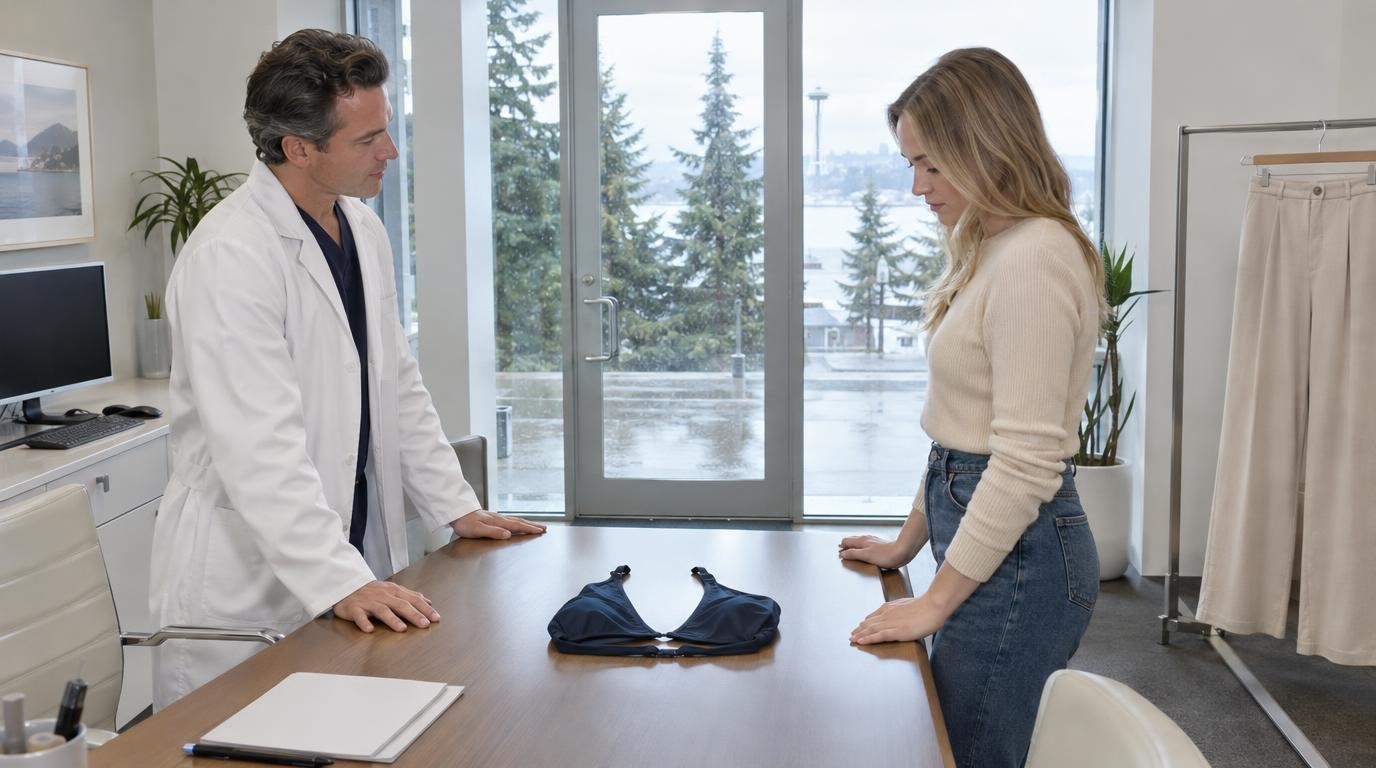
No. A bra-line back lift scar may sit beneath a particular bra or swimsuit top but show above or below another. Band width, strap position, garment cut, and the way clothing shifts all matter. The proposed incision can be compared with the bras or swimwear you actually wear, as well as the skin that needs treatment.
How Does a Bra-Line Back Lift Differ From a Lower Back Lift?
A bra-line back lift treats loose skin and folds across the upper or mid-back, leaving a scar near the bra-band level. Surgery focused on the lower back treats tissue nearer the waist. A posterior body lift may address a broader area when loose skin also affects the hips or buttocks; its incision is planned around the areas treated. A bra-line incision should not be expected to correct a concern centered at the waist.
The location and extent of your loose skin help determine which surgical plan may address it:
| Surgical plan | Area treated | Possible scar location |
|---|---|---|
| Upper back lift | Upper or mid-back folds | Across the back near the bra line |
| Lower-back-focused surgery | Loose skin concentrated near the waist | Near the lower back or waist, depending on the planned treatment |
| Posterior body lift | Loose skin along the lower back and potentially the hips or buttocks | Individually planned; the incision may extend beyond the lower back into adjacent treated areas |
Cleveland Clinic’s buttock-lift overview lists the lower back, hips, and beneath the buttocks as possible incision sites for a buttock lift. Those examples do not establish one incision pattern for a posterior body lift. At La Belle Vie Cosmetics, we also offer posterior and full body lifts, which may be options when loose skin extends beyond the upper back. Our posterior body lift guide provides more context on treatment beyond the upper back.
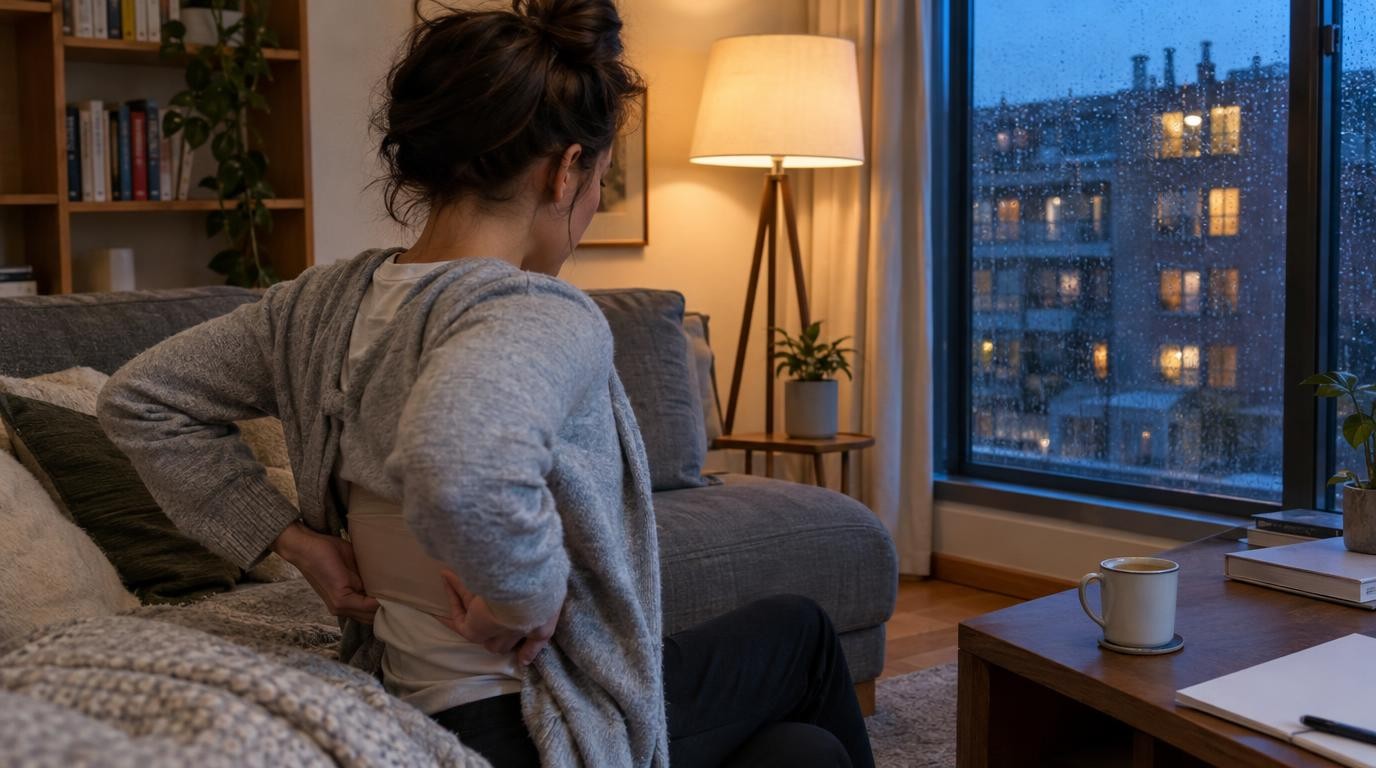
The binder pictured sits over the lower back; it does not show where we make an upper-back-lift incision or how its compression garment fits.
How Does an Upper Back Lift Create a Bra-Line Scar?
Closing the horizontal incision we use to remove loose upper-back skin creates the bra-line scar. At La Belle Vie Cosmetics, we typically perform upper back lifts under general anesthesia. The main surgical steps are:
- We make a horizontal incision along the upper back.
- We remove excess skin and fat.
- We tighten and secure the remaining tissue, then close the incision.
At La Belle Vie Cosmetics, an upper back lift typically takes two to three hours, depending on the extent of skin removal and any additional contouring.
Can Liposuction Replace the Incision for Loose Back Skin?
Liposuction can remove fat, but it does not remove the loose skin that an upper back lift excises. We may combine liposuction with a lift to refine the transition toward the flanks or shoulders.
Who Is a Good Candidate for an Upper Back Lift?
An upper back lift may suit an adult with loose skin, folds, or bra-area rolls on the upper or mid-back, including after substantial weight loss or age-related changes. At La Belle Vie Cosmetics, candidates should be at or near a stable, healthy weight, be in good overall health, not smoke, and understand the scar and recovery involved.
How Long Does It Take to Recover From a Back Lift?
At La Belle Vie Cosmetics, most patients return to light activities within 10–14 days after an upper back lift and resume exercise or more strenuous activity after about six weeks, subject to their surgeon’s instructions. Swelling, bruising, and tightness are common early on and gradually subside over the first few weeks. Recovery also depends on the extent of surgery and any additional procedures.
After surgery at La Belle Vie Cosmetics, you will wear a supportive compression garment and receive individualized aftercare instructions. The garment helps limit swelling and supports healing tissues.
How Painful Is a Back Lift?
Expect some soreness or pain and tightness around the incision after an upper back lift; the intensity varies from person to person. Follow your surgeon’s pain-control instructions, including how to take any recommended medication. Call our team if pain worsens or is not controlled by the recommended treatment.
How Do Back Lift Scars Change as They Heal?
Early on, the incision heals while swelling subsides; the new scar may look pink, reddish, darker than surrounding skin, or raised. Its color and thickness can continue changing for months or longer, well after you return to light activity. It may fade but will not disappear completely. An article on the American Society of Plastic Surgeons’ site cautions that scars after skin-removal surgery can range from barely noticeable to prominent.
Follow our team’s wound and scar-care instructions, avoid smoking, and get adequate nutrition, including protein, to support healing. Protect the incision from excessive pulling or rubbing while it heals; the American Society of Plastic Surgeons’ body-lift results guidance cautions against excessive force, motion, swelling, and abrasion on healing incisions. Do not apply scar products to an open incision. For optional further reading, see our guide to silicone scar recovery gel after surgery.
What Are the Risks of an Upper Back Lift, and Who Should Avoid It?
Swelling, bruising, and tightness are expected early effects of an upper back lift; possible complications include bleeding, infection, fluid buildup, delayed wound healing, anesthesia problems, or a conspicuous or uneven scar. Cleveland Clinic’s arm-lift overview also lists loss of sensation as a possible effect of a related skin-removal operation, but arm-lift findings cannot establish its likelihood after a back lift. Our upper-back-lift guidance does not quantify complication rates for this procedure. Your individual risk depends on your health and surgical plan. Smoking, poor overall health, and unstable weight may mean surgery should be deferred.
Contact your surgical team promptly for fever, discharge from the incision, excessive bleeding or swelling, severe or worsening pain, or a wound that opens. Seek urgent medical care for chest pain or shortness of breath. Discuss the procedure and your own health history with your clinician before deciding whether to proceed.
What Results Can Patients Expect Alongside the Scar?
Removing upper- or mid-back folds can produce a smoother contour and make fitted clothing feel more comfortable, but the horizontal scar remains. Changes in shape are visible after surgery and become clearer as swelling subsides. At La Belle Vie Cosmetics, results can be long-lasting when body weight remains stable, although no particular contour or scar appearance is guaranteed.
Frequently Asked Questions
Can exercise get rid of loose upper-back skin without leaving a scar?
No. Exercise can strengthen back muscles, but it cannot tighten or remove loose, excess skin. If your back roll is mainly fat rather than loose skin, we can assess your skin elasticity and discuss whether liposuction alone may be an option.
Can a raised or uneven back lift scar be treated later?
Yes. Options for a noticeable back-lift scar can include scar revision surgery or nonsurgical scar treatments, depending on whether the concern is its width, color, or raised texture. No treatment guarantees an invisible scar.
Is an upper back lift the same as an upper body lift?
No. At La Belle Vie Cosmetics, an upper back lift targets loose skin and folds on the upper or mid-back. Cleveland Clinic’s body-contouring overview describes an upper body lift that can involve incisions around the nipple and in the breast fold, with the lower incision usually continuing around the back. If an arm lift is added, a separate incision may run along the back of the upper arm. Those possible chest, back, and arm scars differ from an isolated bra-line back-lift scar; your pattern depends on the procedures performed.
Can I combine an upper back lift with an arm lift?
Yes. At La Belle Vie Cosmetics, we can combine an upper back lift with an arm lift when loose skin affects both areas. An arm lift involves its own incision and recovery considerations, so combining procedures changes the surgical plan.
How bad is scarring after brachioplasty?
Brachioplasty, or an arm lift, leaves a separate scar that usually runs lengthwise along the upper arm, often from near the armpit toward the elbow. Its appearance varies: it may fade, but it can remain thick or prominent and will not disappear. It is not the horizontal bra-line scar of an upper back lift.
How long does it take for arm lift scars to heal?
An arm-lift incision takes about six weeks to heal and regain strength, according to an article on the American Society of Plastic Surgeons’ site. The scar can continue to fade after the incision heals, but it will not disappear completely.
Is it possible to get a breast lift without scarring?
No. A surgical breast lift requires incisions and leaves permanent scars. Johns Hopkins Medicine’s breast-lift overview explains that scars can fade and are often placed where clothing can cover them. Cleveland Clinic’s breast-lift overview says maximum fading occurs in around one year.
Do thigh lifts leave scars?
Yes. Cleveland Clinic’s thigh-lift overview says incision sites should heal after about six weeks, but the scars fade rather than disappear. Depending on the type of thigh lift, a scar may lie in the groin, extend down the inner thigh, or cross the back at waist level after an outer thigh lift.
What is the hardest cosmetic surgery to recover from?
There is no single hardest recovery for everyone. More extensive body-contouring operations, such as lower body lifts, can involve significant early discomfort and longer restrictions than a single-area lift; combining procedures may also change recovery. By contrast, La Belle Vie Cosmetics’ usual guidance for an upper back lift is light activity within 10–14 days for most patients and exercise after about six weeks, not a timetable for larger or combined operations.
Will losing weight after an upper back lift change my results or scar?
Yes, substantial weight changes can affect a body-contouring result. Losing weight may leave new loose skin, while significant weight gain can stretch tissue. How an existing back-lift scar changes with weight is less predictable. We recommend reaching a stable weight before surgery.
How long do I need to wear a compression garment after an upper back lift?
There is no single wear schedule that applies to every upper back lift. After an upper back lift at La Belle Vie Cosmetics, you will wear a supportive compression garment to help limit swelling and support tissue during early healing. Your postoperative instructions will specify how long to wear it; another procedure’s wear schedule may not apply.
What Should You Discuss at an Upper Back Lift Consultation?
Tell our team if you have previously developed raised or widened scars, and ask how your health history may shape your scar-care and recovery plan.
Dr. Tony Mangubat, MD, can evaluate where your loose skin sits and explain the proposed incision. If you are interested in an upper back lift, call La Belle Vie Cosmetics at 206-575-0300 to arrange a consultation at our Tukwila office in the Seattle, Washington, area.
This information is general and is not medical advice. Talk to a licensed clinician about your own situation before making a treatment decision.
