
Last updated: November 17, 2026
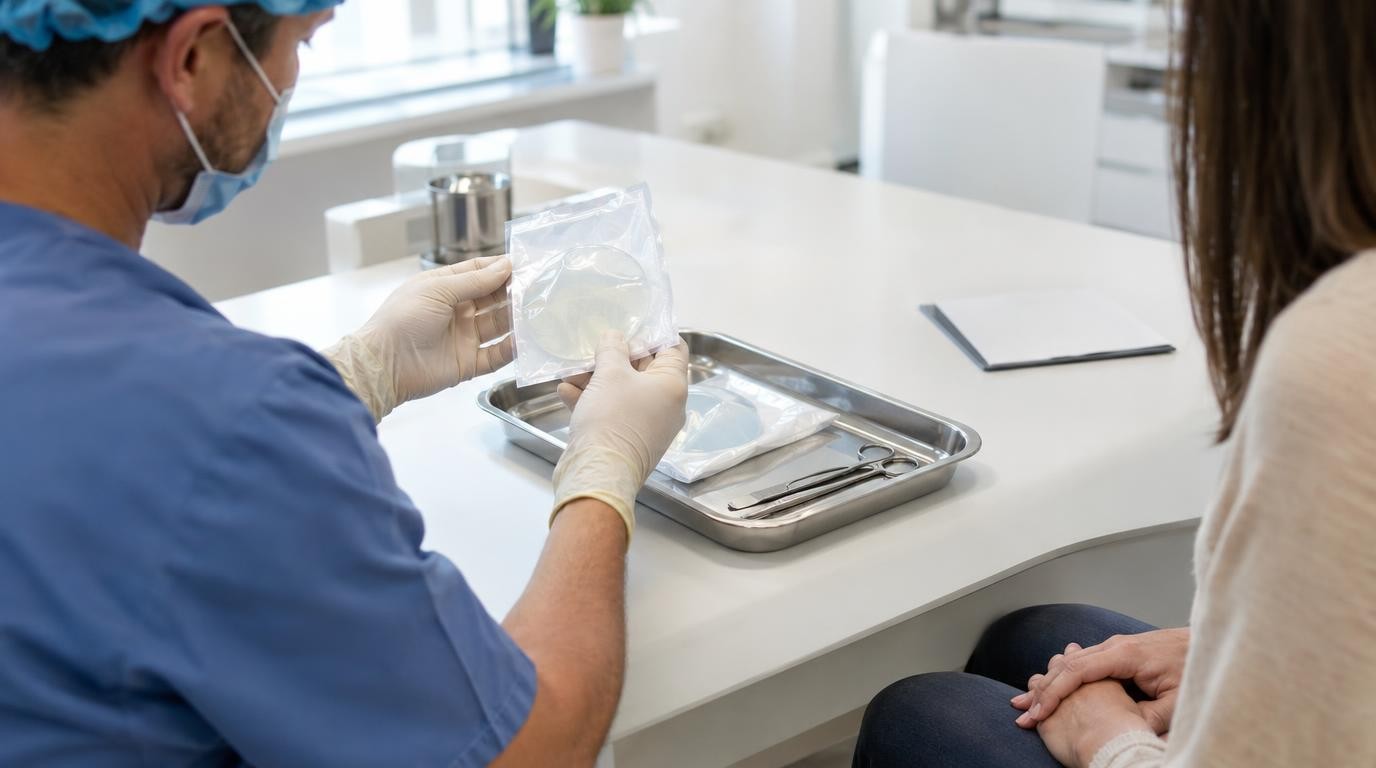
Breast capsular contracture treatment addresses a scar-tissue capsule that has tightened around a breast implant. The right approach depends on firmness, pain, changes in shape, and the condition of the implant; at La Belle Vie Cosmetics, our corrective breast surgery revisions are planned around those findings and your goals.
What is breast capsular contracture treatment?
Breast capsular contracture treatment aims to relieve the effects of scar tissue tightening around a breast implant. A capsule normally forms around an implant, but contracture can make a breast feel firm or painful and change its shape. An examination helps determine whether the capsule, the implant, or another concern is responsible.
An article on the American Society of Plastic Surgeons website distinguishes the normal, pliable capsule from scar tissue that hardens and squeezes the implant. It estimates that about one in six women who undergo breast augmentation develop some degree of contracture, although not all have noticeable symptoms. Treatment depends on how the breast feels and looks, not the presence of a capsule alone.
What are the early signs of capsular contracture?
Early changes may include increasing firmness or tightness while the breast still looks much the same. More pronounced contracture can cause discomfort, a higher or rounder appearance, or visible distortion. Firmness or pain alone cannot confirm contracture; implant rupture, a seroma, or implant-position problems can also cause symptoms.
Can capsular contracture happen years later?
Yes. An article on the American Society of Plastic Surgeons website estimates that about 75% of capsular contractures develop within two years of implant placement; onset years later is less common. A new change years after surgery may also be associated with implant rupture.
How does contracture severity guide the choice of surgery?
Contracture severity helps guide whether a surgeon releases the capsule or removes some or all of it. A 2026 review in Plastic and Reconstructive Surgery Global Open describes capsulotomy as commonly used for mild-to-moderate disease, while partial or complete capsulectomy remains a standard approach for severe or recurrent contracture. Implant condition and surgical history also matter.
The surgical choices differ in what happens to the scar tissue:
| Approach | What the surgeon does | When it may be considered |
|---|---|---|
| Capsulotomy | Releases or scores the tightened capsule. | Mild-to-moderate contracture, depending on the examination. |
| Partial capsulectomy | Removes the portion of the capsule that needs treatment. | Severe or recurrent contracture when removing only part of the capsule is appropriate. |
| Complete capsulectomy | Removes the entire capsule. | Severe or recurrent disease when the benefits and surgical considerations support removal. |
For a broader look at reasons patients seek correction, see our guide to breast revision surgery when correction is needed.
What is a capsulectomy?
A capsulectomy is surgical removal of part or all of the capsule surrounding an implant. The American Board of Cosmetic Surgery’s breast implant revision page distinguishes partial from total removal and notes that recovery from capsulectomy can involve more swelling or bruising. Complete breast implant scar tissue removal is not automatically necessary for every contracture.
Can medicines or ultrasound replace revision surgery?
Aspen multi-energy therapy delivers ultrasound through a device placed on the breast, with the aim of softening the tightened capsule without surgery. A 2015 literature review in Archives of Plastic Surgery discusses off-label zafirlukast, a leukotriene-receptor antagonist different from Singulair (montelukast), as a possible medical approach; it also notes substantial recurrence across treatments. The 2026 review found promising but inconsistent results for drug treatments. Neither medicines nor ultrasound are established substitutes for surgery in severe or recurrent contracture, and the U.S. Food and Drug Administration’s breast implant safety guidance says no devices are cleared or approved to treat contracture or reduce its incidence.
Can Singulair be used to prevent capsular contracture?
Singulair (montelukast) is not an established way to prevent capsular contracture. Using it for this purpose is off-label, and evidence for leukotriene-inhibitor medicines as a group is inconsistent. Montelukast carries a boxed warning for serious mental health effects, including suicidal thoughts or actions.
Who might be a candidate for breast revision for contracture?
Breast revision may be appropriate for someone dissatisfied with breast feel or appearance after implant surgery, particularly when discomfort, distortion, or implant-position changes are present. At La Belle Vie Cosmetics, we also consider overall health, stable weight, and realistic expectations.
Dr. Tony Mangubat reviews prior operations, breast tissue, implant type, symptoms, and goals when planning a revision.
What happens during breast revision surgery for capsular contracture?
At La Belle Vie Cosmetics, breast revision surgery is performed under general anesthesia and tailored to the breast and implant findings. The operation may involve capsule release or removal, implant replacement or removal, and adjustments to breast shape or symmetry. A breast lift may be included when repositioning the breast is part of the plan.
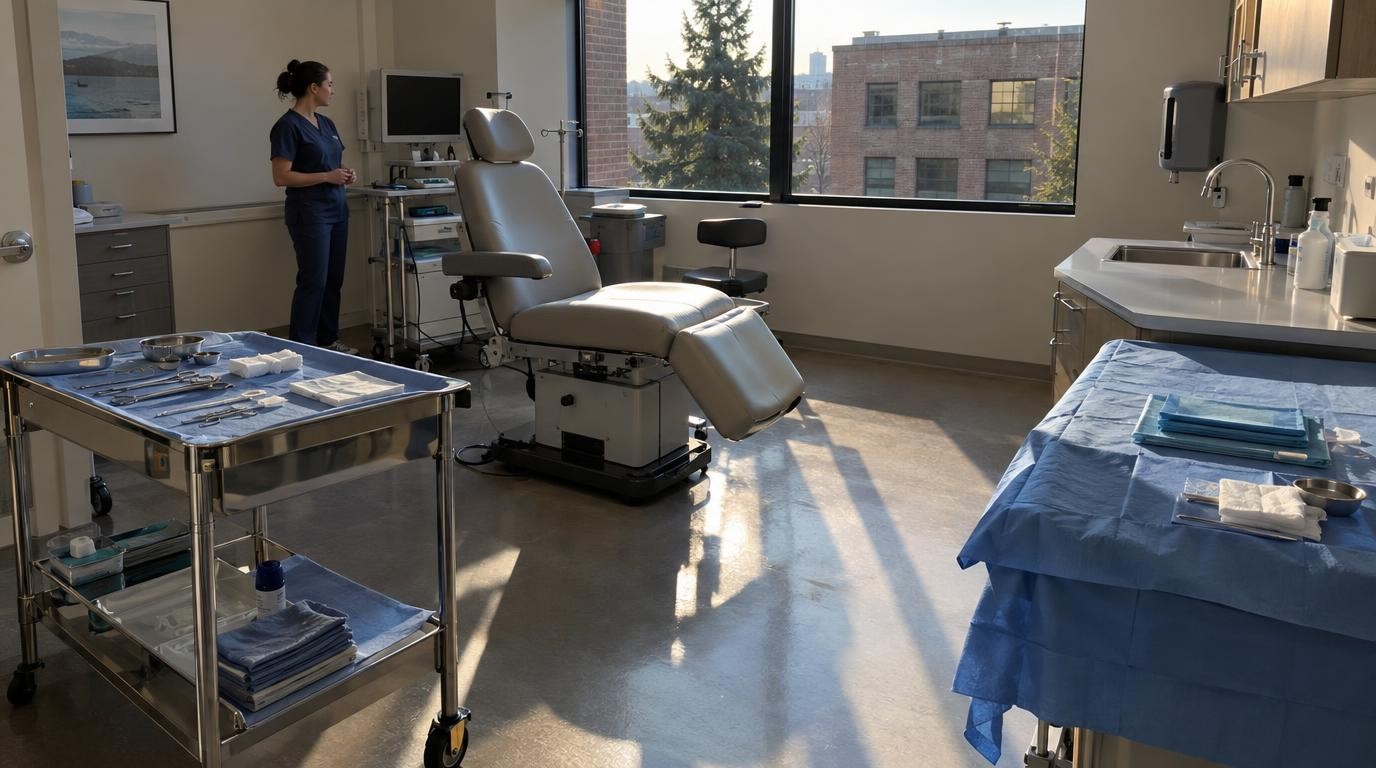
When possible, we place incisions along previous scars, although the surgical approach and eventual scars depend on the revision required. Patients considering an implant change alongside contracture treatment can also read about revision breast augmentation goals.
Is implant removal an alternative to implant replacement?
Yes. A patient who wants to keep implants may choose replacement as part of revision, while a patient who no longer wants implants may choose breast implant removal without replacement. Capsule treatment, a possible lift, and contour adjustments depend on the examination and the desired breast shape; neither choice guarantees a particular appearance.
Removal without replacement changes the volume and contour that the implant provided, so the expected shape matters as much as the choice of capsule treatment.
What are the risks, and when might surgery need to wait?
Contracture revision carries the possibility of recurrence and the risks of surgery and general anesthesia. Bleeding, infection, scarring, and changes in breast sensation or shape are possible. Elective revision may need to wait if a person’s health is not stable; suspected implant rupture or another unexplained change may need evaluation before an operation is chosen.
Worsening pain, marked new swelling, redness, or fever after surgery warrants prompt medical assessment; breathing difficulty warrants emergency care. Discuss your health conditions, implant history, proposed procedure, and personal risks with your own clinician before making a treatment decision. No capsule technique eliminates every risk.
How long does recovery take after contracture revision?
At La Belle Vie Cosmetics, swelling or tightness commonly eases over one to two weeks, and light activities may resume within about a week. Exercise and heavy lifting are generally avoided for about four to six weeks. These are our recovery estimates, not guarantees; the extent of capsule work and any additional reshaping can change an individual plan. For capsulectomy specifically, the American Board of Cosmetic Surgery says most patients can expect two to three weeks of modified activity before returning to their usual routine; that does not override the exercise restrictions above.

We provide personalized aftercare instructions, recommend a supportive surgical bra, and schedule follow-up visits to check healing. Your surgeon’s instructions take priority over a general timeline, particularly if your revision includes implant removal, replacement, or a breast lift.
Can capsular contracture return after breast revision?
Yes. Revision can improve comfort and breast shape, but capsular contracture can recur, particularly when an implant remains. The one-in-six figure above describes contracture after breast augmentation, not recurrence after treatment. FDA-hosted Mentor augmentation patient information reports that contracture occurs more often after revision augmentation than after a first augmentation. These findings do not provide a reliable recurrence percentage for your individual procedure.
A 2024 systematic review in Plastic and Reconstructive Surgery included 34 observational studies and found limited high-level evidence for firm treatment guidelines, despite potentially useful surgical approaches to reducing recurrence.
Tell us if you have had an infection, hematoma (a blood collection), or seroma (a fluid collection) after implant surgery; the FDA notes that contracture may be more common after these events. Its cause is not fully known and is multifactorial: chronic inflammation and bacterial biofilm may contribute. Prevention-focused considerations described in the 2026 review include antimicrobial pocket irrigation, atraumatic technique, and implant selection. None promises that contracture will not return.
Frequently Asked Questions
What do the four grades of capsular contracture mean?
The Baker grades describe how firm a breast feels and whether its appearance has changed. Grade I looks and feels normal; Grade II feels slightly firm but looks normal; Grade III is firm and looks abnormal; Grade IV is hard, painful, and visibly distorted. The FDA considers Grades III and IV severe.
Does mild capsular contracture always need surgery?
No. Baker Grade II—slight firmness with a normal appearance—may be observed if its symptoms are acceptable to you. Grades III and IV are severe and may require surgery, usually involving implant removal with or without replacement.
Is en bloc capsulectomy necessary for capsular contracture?
No. En bloc capsulectomy is not routinely indicated for capsular contracture. The Breast Surgery Collaborative Community consensus statement reserves that term for removing the capsule with a margin of unaffected tissue when breast implant-associated cancer is suspected or confirmed after appropriate workup. Total capsule removal is a different procedure and is not automatically required.
Can a surgeon break up capsular contracture without an incision?
Manual squeezing to break the capsule, called closed capsulotomy, is not recommended. The American Society of Plastic Surgeons practice parameter says manufacturers discourage it and the FDA contraindicates it because it can rupture or deflate an implant. Surgical capsulotomy is different: a surgeon releases the capsule through an incision.
Can moving the implant to a different pocket help prevent contracture from returning?
Changing the implant pocket may help reduce recurrence in some revisions, but it cannot guarantee prevention. The 2024 systematic review of revision surgery found that changing the implant plane appears useful alongside other approaches, while noting limited high-level evidence.
Does prior breast radiation affect the choice of contracture surgery?
Yes. Prior breast radiation can increase the risk of capsular contracture and may affect revision planning. The 2026 review of implant-based breast surgery found higher contracture rates in patients who received radiation after mastectomy.
Should I massage my breasts to prevent capsular contracture?
Massage during healing can disturb breast tissue and may increase contracture risk if it is not part of your postoperative instructions. The article on the American Society of Plastic Surgeons website notes that massage has been suggested as a preventive measure, but major studies have not established its effectiveness. Massage is not a proven treatment for established contracture.
When should you discuss contracture treatment with a Seattle surgeon?
Seek an assessment for new or increasing breast firmness, persistent pain or irritation, or a change in shape or implant position—even years after your implants were placed.
If you are considering treatment, contact La Belle Vie Cosmetics for a corrective breast surgery consultation in Seattle with Dr. Tony Mangubat. Our team can review your implant history and revision options with you; call 206-575-0300 to get started.
This information is general and is not medical advice. Talk to a licensed clinician about your own situation before making a treatment decision.
About the doctors at La Belle Vie Cosmetics
Dr. Tony Mangubat, MD – Board-certified cosmetic surgeon, chief surgeon and medical director since 1987.
Dr. Lena Weinman – Cosmetic surgeon (cosmetic surgery fellowship with Dr. Mangubat, 2024); board-certified by the American Osteopathic Board of Obstetrics and Gynecology.
