
Last updated: November 16, 2026
Our gynecomastia surgery may use liposuction to remove excess chest fat, but liposuction alone may not address glandular tissue or loose skin. The choice between chest liposuction, gland excision and a combined procedure depends on an examination of your chest and a discussion of the contour you want.
Is liposuction good for gynecomastia?
Liposuction can be effective when chest fullness is predominantly fat. Firm glandular breast tissue often needs surgical excision, while a chest with both fat and gland may benefit from a combined approach. Loose skin can affect the plan. Chest appearance alone cannot reliably tell you which tissues are present or which operation will work best.
Can liposuction remove glandular breast tissue?
Liposuction is primarily a way to remove fat. According to the American Society of Plastic Surgeons’ gynecomastia procedure guidance, liposuction alone may be used when excess fatty tissue is the main concern; excision is recommended when glandular tissue or excess skin must be removed. Some patients need both techniques. A fuller area beneath the nipple can therefore remain if the treatment removes fat but leaves tissue that needs excision.
What is the difference between gynecomastia and chest fat?
True gynecomastia involves an increase in glandular breast tissue. Predominantly fatty enlargement without that glandular increase is called pseudogynecomastia. The distinction matters because the tissues respond differently to fat removal, but neither a photograph nor a self-exam should be treated as a diagnosis.
How does a surgeon decide whether liposuction alone is enough?
At La Belle Vie Cosmetics, Dr. Tony Mangubat assesses whether chest fullness comes mainly from fat, glandular tissue or both, as well as loose skin and chest shape. Fullness that is primarily fat may respond to liposuction alone; glandular tissue or excess skin may call for excision, sometimes alongside liposuction.
What does a gynecomastia consultation assess?
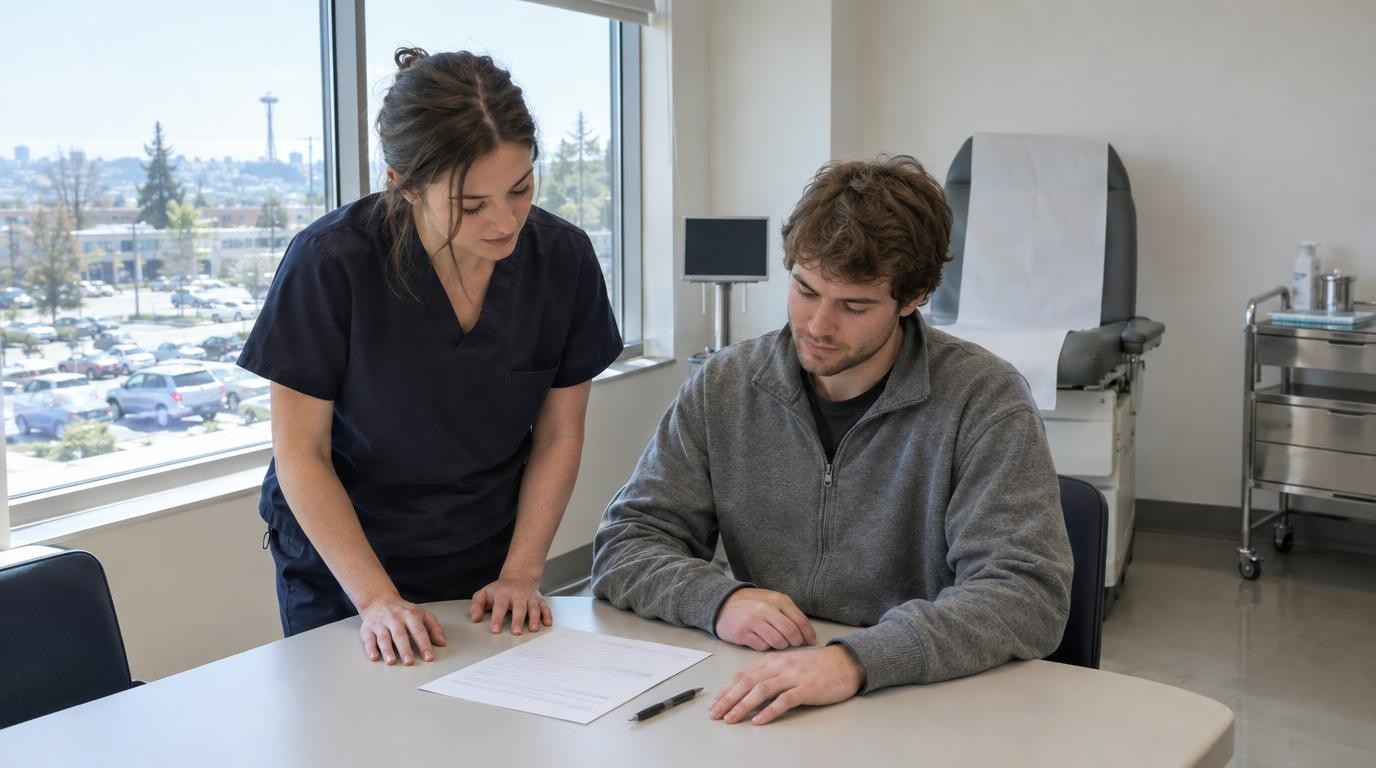
At La Belle Vie Cosmetics, Dr. Tony Mangubat reviews your health history and lifestyle, examines tissue thickness, skin laxity and symmetry, and takes photographs and measurements. He then discusses your goals, relevant risks and realistic contour options.
Changes in medications or health can also be relevant to the history. Our guide to medications that may contribute to gynecomastia offers background to help you prepare questions.
Before elective surgery, a clinician can assess whether a hormonal change, medication or other medical condition is contributing to the enlargement. Treating an underlying condition or reviewing a possible medication with its prescriber may be appropriate; do not stop a prescribed medicine on your own. Some hormone-related gynecomastia, particularly during adolescence, resolves with observation, although persistent glandular tissue may not go away without surgery.
Does being obese cause gynecomastia?
Yes. Obesity can be associated with glandular gynecomastia, and it can separately cause fatty breast enlargement without glandular growth, called pseudogynecomastia. The American Society of Plastic Surgeons’ gynecomastia overview lists obesity as a possible cause of gynecomastia, while the Cleveland Clinic’s explanation of gynecomastia and pseudogynecomastia distinguishes glandular growth from fatty enlargement. The two can coexist, so weight alone cannot tell us which tissue is present or whether fat removal will be enough.
What does the 2025 study add to the liposuction-versus-excision decision?
In a small 2025 comparative study in the Indian Journal of Plastic Surgery, cosmetic evaluations were similar after liposuction alone and liposuction with endoscope-assisted glandular excision. Repeat surgery was more frequent after liposuction alone, and both groups had complications.
How did endoscopy help surgeons assess glandular tissue?
In the study, surgeons used an endoscopic view during the operation to assess whether fibroglandular tissue was present and whether excision was needed. The study’s use of endoscopy does not mean it is necessary for every gynecomastia operation.
What can a small six-month study tell patients?
The Indian Journal of Plastic Surgery study evaluated 32 breasts: 17 treated with liposuction alone and 15 with liposuction plus gland excision. Follow-up through six months included clinical photographs and patient questionnaires. The findings are useful for discussing why residual tissue might require another operation, not for promising a particular contour or estimating a patient’s personal complication risk.
The comparison below summarizes outcomes reported by the study authors.
| Approach | Breasts evaluated | Reported findings |
|---|---|---|
| Liposuction alone | 17 | Bruising, two hematomas and puffy nipples that led to one repeat operation. |
| Liposuction with gland excision | 15 | Four crater deformities, plus one case each of superficial skin necrosis, hematoma and seroma. |
Although the combined operation addresses glandular tissue as well as fat, the study does not establish that it guarantees a flatter result. Its small size and six-month follow-up limit broader conclusions.
What happens during gynecomastia surgery at La Belle Vie Cosmetics?
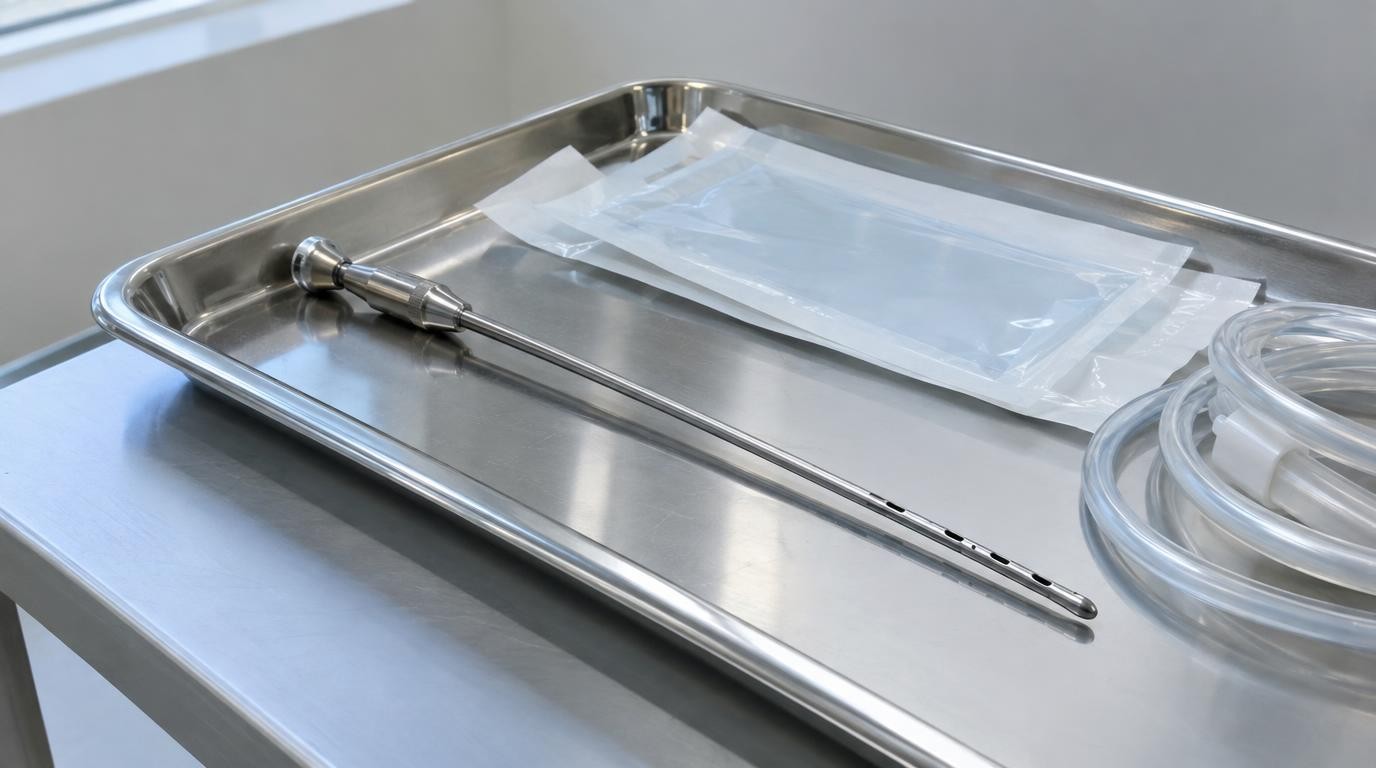
At La Belle Vie Cosmetics, Dr. Tony Mangubat tailors gynecomastia surgery to your chest. Under general anesthesia in our accredited surgical suite, he passes a thin tube called a cannula through small incisions, moves it to loosen fat and removes the fat by suction. When glandular tissue or excess skin must be removed, he can excise it directly through an incision; some patients need both techniques. We discuss incision placement, scars and realistic contour goals with you beforehand.
When is gland excision added to liposuction?
When fat is the main source of fullness, liposuction may be sufficient. When denser glandular tissue also needs removal, Dr. Mangubat can add direct excision through a small incision. If loose skin affects the expected result, he considers that separately during planning; removing fat and gland does not automatically tighten skin. For a broader explanation of the options, see our guide to gynecomastia treatment and lasting results.
Where are the incisions placed?
When direct removal is needed, we may place a small incision along the lower border of the areola. Depending on your anatomy, Dr. Mangubat may instead place an incision in the inframammary fold or along a natural chest crease. We close incisions with fine, dissolvable sutures. At La Belle Vie Cosmetics, the procedure typically takes 1 to 2 hours, depending on the extent of treatment and whether techniques are combined.
What happens to my nipples after gynecomastia surgery?
Nipple and areolar appearance can change as swelling resolves after gynecomastia surgery. Your starting anatomy, skin laxity and surgical technique all influence what you may notice while healing.
Can an incision near the areola leave a scar?
Yes. A lower-areolar-border incision gives the surgeon access to tissue beneath the nipple while placing the scar near a natural color transition. Scars typically fade over time, but they do not disappear. The best incision plan depends on how much tissue needs removal and whether skin laxity or asymmetry also needs attention.
Can nipple appearance or sensation change while healing?
Early swelling can make a nipple look puffy or the chest contour look uneven before healing is complete. Nipple or areolar sensation may change temporarily or permanently. The American Society of Plastic Surgeons’ discussion of complications also includes nipple inversion (turning inward) and loss of nipple skin as possible complications. Its gynecomastia safety guidance lists asymmetry and contour irregularities.
Is liposuction 100% safe?
No. Most patients have smooth recoveries, but chest liposuction, gland excision and general anesthesia carry risks even with careful planning. Swelling, bruising and discomfort are expected early effects; possible complications include bleeding, infection, fluid collections, poor wound healing, unfavorable scarring or a need for revision.
What risks come with liposuction and gland excision?
The American Society of Plastic Surgeons also lists blood clots, fat necrosis (death of fatty tissue), injury to deeper structures such as blood vessels or lungs, and cardiac or pulmonary complications. These can be serious, unlike the short-term swelling and bruising expected during recovery. Ask Dr. Mangubat how your health history and proposed procedure affect your risks.
Seek urgent medical care for chest pain, difficulty breathing, uncontrolled bleeding or rapidly worsening swelling. Contact your surgical team promptly about fever, spreading redness, worsening pain or concerning drainage. Discuss your own health conditions, medications and surgical risks with your clinician before making a treatment decision.
Who should postpone surgery or seek medical evaluation first?
Someone using nicotine, whose weight is changing substantially, or whose health conditions need further assessment may need to postpone surgery or adjust the plan; these factors do not make everyone automatically ineligible. At La Belle Vie Cosmetics, preparation includes avoiding smoking, nicotine and vaping for at least 4 to 6 weeks before surgery and maintaining a stable weight. Follow the individualized instructions you receive rather than changing prescribed medications on your own.
A hard or fixed lump, nipple discharge, skin change or otherwise unexplained chest change should be medically evaluated before treating the area as a cosmetic concern. The American Society of Plastic Surgeons emphasizes examining the breasts to confirm gynecomastia and investigate findings suspicious for breast cancer.
How long does recovery take after gynecomastia surgery?
At La Belle Vie Cosmetics, many patients return to work in 5 to 10 days and can resume light cardio at 2 to 3 weeks; heavy chest training generally waits until 6 to 8 weeks or Dr. Mangubat’s clearance. Your schedule depends on your procedure, job demands and healing.

When can I return to work and exercise?
A desk job may be easier to resume than work involving lifting or strenuous movement. Avoid pushing through chest strain to meet a calendar target. Wear the prescribed compression garment and follow your wound-care and activity instructions as directed; these steps support healing while swelling settles.
When will swelling improve and the final contour become visible?
At La Belle Vie Cosmetics, much of the contour is generally visible by 6 to 8 weeks, while subtle changes can continue for up to six months. Swelling and bruising are common early, so initial puffiness does not necessarily represent the final shape. Follow-up visits allow our team to assess healing over time.
What results can liposuction alone achieve compared with combined surgery?
Liposuction alone can improve a chest whose fullness is chiefly fat, but it may leave glandular tissue or loose skin unaddressed. Combined surgery can remove fat and gland when both contribute to fullness. Either approach aims for a contour suited to your anatomy, not a guarantee of a perfectly flat, identical-looking chest on both sides.
Why might chest fullness remain after liposuction alone?
If firm glandular tissue remains beneath the nipple, removing surrounding fat can leave that area looking full. Skin with limited elasticity may also fail to settle to the desired shape. A follow-up examination can help determine whether more healing time or further treatment is appropriate.
How can patients help maintain their results?
Maintaining a stable weight helps preserve the result; recurrence is rare when hormone balance and body weight remain stable. Removed tissue is gone for good, but the American Board of Cosmetic Surgery notes that significant weight gain, steroid use, certain medical conditions or drugs affecting testosterone can change the result. Our guide to liposuction results and longevity provides more context for maintaining a contour after fat removal.
Frequently Asked Questions
Can exercise or weight loss get rid of gynecomastia without liposuction?
Weight loss may reduce chest fullness caused by excess fat, but exercise does not reliably remove enlarged glandular tissue.
Can gynecomastia affect only one side of my chest?
Yes. Gynecomastia can affect just one breast or affect both breasts unequally. During your examination, Dr. Mangubat can assess existing asymmetry and discuss how it may affect your treatment plan and expected contour.
Can gynecomastia surgery make a stretched areola smaller?
Yes, areola reduction or nipple repositioning may be possible, but these changes require excision rather than liposuction alone. The American Society of Plastic Surgeons says excision is necessary when the areola is reduced or the nipple is repositioned. We can assess stretched skin and discuss whether either step fits your surgical plan.
Can I go home the same day after gynecomastia surgery?
Usually, yes – gynecomastia surgery is generally an outpatient procedure, according to the Cleveland Clinic. At La Belle Vie Cosmetics, arrange for someone to drive you home and help you during the first 1 to 2 days. We will give you instructions tailored to your procedure and recovery needs.
Can I have a virtual gynecomastia consultation at La Belle Vie Cosmetics?
Yes, we offer virtual consultations for patients who are out of state or live more than a several-hour drive away. A virtual conversation can help you explain your concerns, but determining whether fat, glandular tissue or loose skin needs treatment may require an in-person chest examination.
Will I need drains after gynecomastia surgery?
Not necessarily. Drains may be used after gynecomastia surgery, depending on the procedure and your individual plan. An article on the American Society of Plastic Surgeons’ website notes that drains may be used for 24 to 48 hours after surgery. If your procedure calls for drains, our team will give you care and removal instructions.
What should you ask at a gynecomastia consultation?
Ask what is causing your chest fullness and which parts of your anatomy each proposed technique can address. A useful consultation covers fat, glandular tissue, skin laxity, incision placement, possible contour, risks and recovery. Those answers make the choice between liposuction alone and combined surgery more concrete than a promise of a particular appearance.
Questions to ask about liposuction versus excision
- Does the examination suggest predominantly fat, glandular tissue or a mixture?
- Would loose skin or existing asymmetry limit the result from fat removal alone?
- What contour is realistic for my anatomy, and what fullness might remain?
Questions to ask about recovery and scars
- Where would my incisions be, and how might the scars mature?
- How might surgery affect nipple appearance or sensation?
- What restrictions, compression instructions and follow-up visits apply to my plan?
If you live in Burien, Washington, call La Belle Vie Cosmetics at 206-575-0300 to arrange a gynecomastia consultation with Dr. Tony Mangubat at our Tukwila office in the Seattle area.
This information is general and is not medical advice. Talk to a licensed clinician about your own situation before making a treatment decision.
