
Last updated: November 19, 2026
Periareolar top surgery removes breast tissue through an incision around the areola and can remove some surrounding skin. Compared with double-incision surgery, it usually leaves a less extensive scar, but the right choice depends on skin, tissue, nipple position, and chest-contour goals. At La Belle Vie Cosmetics in Seattle, our FTM and MTF chest reconstruction service offers chest masculinization surgery.
What is periareolar top surgery, and how is it different from keyhole surgery?
As the American Society of Plastic Surgeons’ chest masculinization glossary explains, periareolar surgery uses two circular incisions: one around the areola and a larger one outside it. The surgeon removes the ring of skin between them, removes breast tissue, and draws the remaining skin toward the areola to close the incision. Keyhole surgery uses a smaller incision along the lower areolar border and cannot remove excess skin; double-incision surgery provides greater access for skin removal and chest reshaping.
What is peri-surgery?
In top-surgery discussions, “peri” usually means periareolar, not a separate operation called “peri-surgery.” “Perioperative” instead refers to the period around surgery, including preparation and recovery. To compare smaller-incision approaches, read our guide to keyhole top surgery candidacy and recovery.
Does La Belle Vie Cosmetics offer the periareolar technique?
We offer subcutaneous mastectomy through a small keyhole incision for patients with minimal excess skin and tissue, and double-incision surgery with nipple grafts for patients with more. Periareolar surgery is distinct from keyhole surgery; its availability at our clinic has not been confirmed.
Who is a good candidate for periareolar top surgery?
Periareolar top surgery may suit someone with relatively little breast tissue, limited excess skin, and skin that can contract around a new chest contour. A larger amount of tissue or loose skin may make double incision more suitable. Cup size alone cannot establish candidacy; the surgeon must examine skin, tissue, and nipple position.
Does chest size or skin elasticity affect which technique fits?
Yes. Skin that can settle smoothly after tissue removal is important when the incision permits only limited skin removal. In clinical practice, the smallest possible scar is not necessarily the best trade-off if it leaves unwanted skin or limits nipple placement. Dr. Tony Mangubat, MD, assesses the amount of skin and breast tissue when recommending a technique. Our guide to double-incision top surgery candidates explains why that approach can better accommodate substantial tissue or excess skin.
Can you have top surgery without taking testosterone?
Yes. At La Belle Vie Cosmetics, we do not require hormone therapy for gender-affirming chest reconstruction. Testosterone use does not determine which incision suits your anatomy; skin, tissue, nipple position, health, and your goals still need individual assessment.
Is periareolar top surgery riskier than double-incision surgery?
Not necessarily. A 2022 retrospective comparison of periareolar and double-incision mastectomy found no statistically significant differences in hematoma, seroma, or revision rates between the techniques.
What did the direct comparison find about hematomas, seromas, and revisions?
The 2022 study “Gender-affirming Mastectomy: Comparison of Periareolar and Double Incision Patterns” retrospectively reviewed 490 patients treated from 2017 to 2020; approximately 96 underwent periareolar surgery and 390 underwent double-incision surgery. The study reported these observed rates for each technique:
| Outcome | Periareolar | Double incision |
|---|---|---|
| Hematoma | 3.1% | 5.6% |
| Seroma | 33.3% | 36.4% |
| Revision procedure | 14.6% | 15.8% |
A seroma is a collection of fluid; a hematoma is a collection of blood. These figures describe patients in that study, not the complication rates expected at La Belle Vie Cosmetics.
What cannot the study tell an individual patient?
Because the comparison was retrospective, it cannot show that either incision will be equally suitable for every chest or guarantee an individual result. Its authors emphasized experienced surgical care and appropriate patient selection.
How do periareolar and double-incision results compare?
Periareolar surgery places a scar around the areolar border, while double incision leaves longer scars across the lower chest. The comparison goes beyond scar length: double incision allows more skin removal and more direct reshaping and nipple placement. Neither technique guarantees a particular contour, scar appearance, or level of nipple sensation. Chest-contour results are generally long-lasting because removed breast tissue does not grow back, but healing, weight changes, and aging can change the appearance of the remaining tissue and skin.
Where are the scars with each approach?
A periareolar scar follows the edge of the areola. At La Belle Vie Cosmetics, our double-incision scars are generally placed along the lower border of the pectoral muscle fold. Those scars are permanent, although they should fade significantly with time. Scar appearance varies as healing progresses; our guide to top surgery scar healing explains what can affect their appearance.
Before-and-after photographs can help you discuss scar placement and contour goals, but they cannot predict your result.
Can the smaller incision limit skin removal or chest contouring?
Yes. Periareolar surgery can remove some skin around the areola, but it has less capacity than double incision to address substantial excess skin or reposition the nipple. A shorter scar may therefore come with a contour trade-off. Our double-incision approach removes excess skin when needed and reduces and repositions the areolas as part of chest reconstruction.
Do they take your nipples during top surgery?
Nipple removal and reattachment are not part of every top surgery technique. Double-incision surgery with free nipple grafts detaches the nipples and areolas before repositioning them. Periareolar and keyhole approaches generally keep them attached to underlying tissue. Nipple appearance, position, and sensation can still change with any approach.
How do free nipple grafts differ from keeping the nipple attached?
With a free nipple graft, the surgeon removes the nipple-areola complex, reduces it if appropriate, and attaches it at a new position. That is the method we use with our double-incision procedure. With keyhole or periareolar surgery, the nipple generally remains attached while tissue is removed through the incision. The American Society of Plastic Surgeons’ procedure guide explains that keyhole offers less ability to resize or reposition an attached nipple.
Can nipple position and sensation change after surgery?
Yes. Grafting allows more deliberate nipple placement, but full nipple sensation may not return. Keeping the nipple attached does not promise unchanged sensation or ideal positioning, and a smaller incision may limit how much the surgeon can move it. Some surgeons use buttonhole, inverted-T, or other nipple-sparing variations to try to preserve more sensation; these have their own scar and contour trade-offs. Ask which approaches, if any, suit your anatomy and goals and are available from your surgeon.
What happens during a top surgery consultation and procedure?
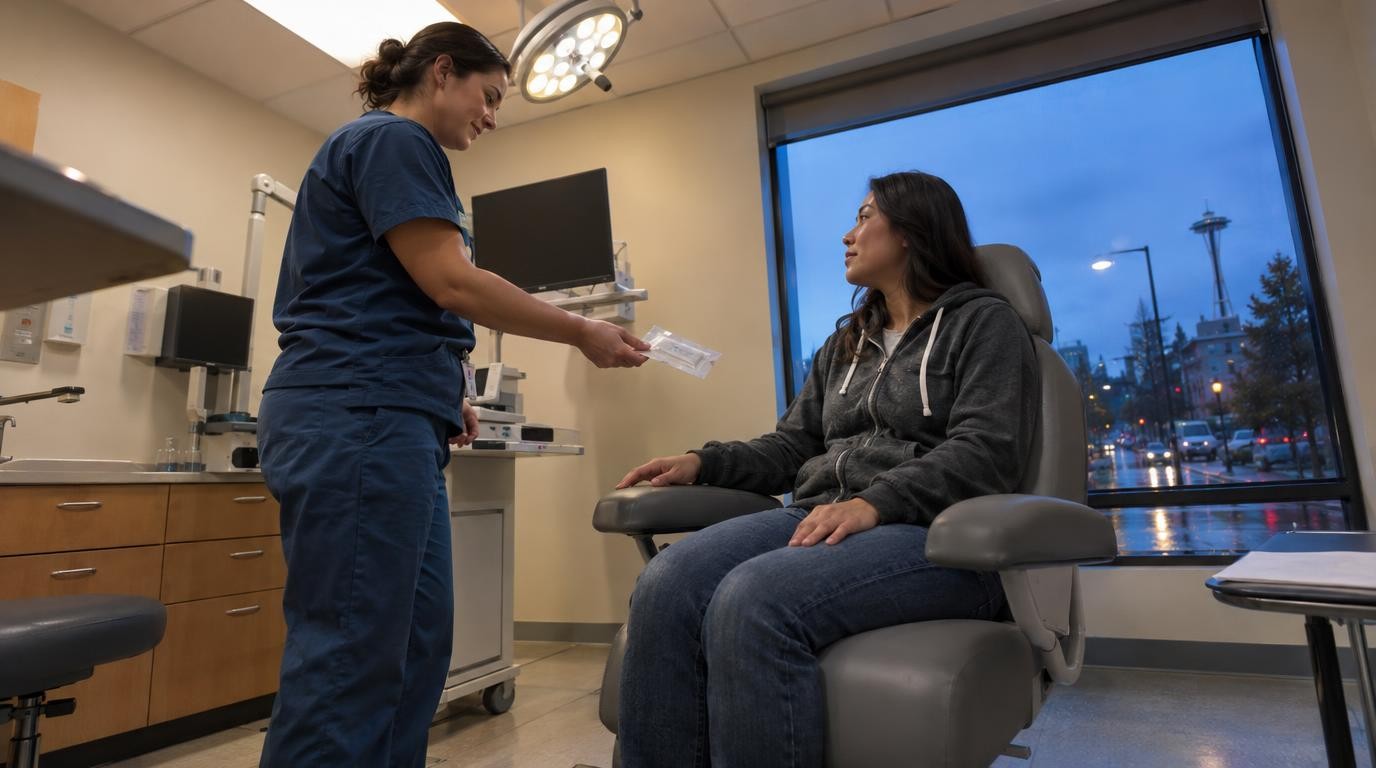
A top surgery consultation establishes your goals and checks whether your skin, tissue, and nipple position support a particular incision plan. At La Belle Vie Cosmetics, Dr. Tony Mangubat, MD, conducts a private consultation and physical examination. Intravenous sedation and general anesthesia are possible options for chest masculinization surgery; our team can explain which anesthetic is appropriate and available for your planned procedure. During surgery, breast tissue is removed, with skin removal or nipple adjustments determined by the selected technique.
How does the surgeon choose an incision plan?
Dr. Mangubat discusses your preferred chest appearance and examines the anatomy that affects the result. Minimal excess skin and tissue may favor our keyhole approach; substantial excess skin or tissue may call for double incision with nipple grafts. Scar preferences and nipple-sensation priorities also matter when selecting a technique.
What preparations should you confirm before surgery?
For patients 18 or older, we require one referral letter from a qualified mental health professional before surgery; no letter is required for a consultation. Dr. Mangubat reviews your medical history at the consultation and identifies any additional clearances needed.
How long does recovery take after chest masculinization surgery?
Top surgery recovery depends on the incision plan, whether nipple grafts are used, and individual healing. At La Belle Vie Cosmetics, dressings commonly come off earlier without grafts than with free nipple grafts. Plan for adult help immediately after surgery, time away from work, and restrictions on lifting and strenuous movement.
When are dressings removed, and when can you return to work?
At La Belle Vie Cosmetics, dressings are commonly removed at the postoperative visit 3 to 4 days after surgery without nipple grafts, or 6 to 7 days after surgery with free nipple grafts. We generally recommend 1 to 2 weeks away from sedentary work and 3 to 4 weeks away from more active work. Healing and job duties can change that plan.
What help and activity restrictions should you plan for?
La Belle Vie Cosmetics requires a trusted adult to pick you up and stay with you for the first 24 to 48 hours. Our recovery guidance limits strenuous activities for 2 to 3 weeks and lifting more than 10 pounds above shoulder level for 1 month. Follow the instructions for your operation rather than assuming a smaller incision means fewer restrictions.
What are the risks and reasons to choose a different technique?
The American Society of Plastic Surgeons’ top-surgery course identifies possible complications of chest masculinization surgery, including bleeding, fluid collection, infection, healing problems, contour irregularity, scar changes, altered nipple sensation, partial or complete nipple-areola tissue loss, pigment changes, and revision. Your individual risk depends on the technique and your clinical circumstances. Periareolar surgery may be a poor fit when excess skin or tissue exceeds what a circular incision can address. Medical and anesthesia concerns also require individual evaluation before elective surgery.
Which complications should you discuss with your surgeon?
Ask us how we will monitor your incisions and nipple-areola tissue as they heal. Increasing incision redness, swelling, or pain warrants prompt clinical assessment. Seek urgent medical care for heavy bleeding, rapidly expanding chest swelling, chest pain, or trouble breathing.
At La Belle Vie Cosmetics, patients with a BMI of 36 or higher meet with an anesthesia provider at their preoperative appointment, about two weeks before surgery. At a BMI of 45 or higher, anesthesia and surgical eligibility are determined case by case. A significant medical history may require further clearance; an active infection or an unresolved anesthesia concern may mean surgery needs to wait.
Frequently Asked Questions
Can I get top surgery if I’m under 18?
At La Belle Vie Cosmetics, Dr. Mangubat evaluates patients under 18 case by case. At least one parent or legal guardian must attend the consultation, and all legal parents or guardians must sign the surgery consent forms. Before surgery, we also require a letter from a mental health provider and an additional supporting letter from your primary care provider.
Do I need to stop taking testosterone before top surgery?
No. At La Belle Vie Cosmetics, you do not need to stop testosterone before top surgery. Our separate instructions require stopping estrogen and progesterone one full month before surgery; check with our team and your prescribing clinician before changing any medication.
When can I sleep on my side after top surgery?
Wait one month before sleeping on your side or stomach after top surgery. At La Belle Vie Cosmetics, we ask patients to avoid both positions for the first month, regardless of whether their surgery involves a small incision or free nipple grafts. Follow any individualized instructions we give you during recovery.
When can I lift weights again after top surgery?
Plan to avoid exercise and weightlifting for one month after top surgery. At La Belle Vie Cosmetics, we recommend gradually increasing the weight you lift during weeks five and six. We also restrict lifting more than 10 pounds above shoulder level during the first month. Follow your own postoperative instructions if healing changes the timeline.
When can I start using silicone tape on my top surgery scars?
You can start silicone sheets or tape when your bandages are removed, according to our top surgery recovery guidance at La Belle Vie Cosmetics. Avoid steroid scar treatments for the first three weeks so you do not weaken healing scars. Dr. Mangubat evaluates incisions at the three-week and three-month postoperative visits and may prescribe scar gel if needed.
Can I fly home after top surgery?
Usually, air travel is unrestricted once the aftereffects of anesthesia wear off, about 24 to 48 hours after surgery. If you are traveling from out of state, we require you to remain near La Belle Vie Cosmetics until all dressings are removed. Arrange help with luggage, and allow more time if complications develop.
When can I take a bath after top surgery?
Avoid hot baths, hot tubs, and submerging your incisions for at least one month after top surgery, or until all scabbing has resolved. At La Belle Vie Cosmetics, we recommend following your specific postoperative care instructions before getting incisions wet.
How painful is breast reduction surgery?
Breast reduction is different from chest masculinization surgery. The American Society of Plastic Surgeons’ breast-reduction recovery guide describes moderate pain or soreness during the first week that generally improves each day and can be managed with prescribed medication. That description does not predict how much pain you will have after a particular top-surgery technique.
What is the most regretted cosmetic surgery?
The periareolar-versus-double-incision study discussed above measures revisions, not regret. An American Society of Plastic Surgeons meeting abstract on top-surgery regret reports findings from a particular gender-affirming top-surgery sample, not a comparison across cosmetic procedures. Neither establishes a “most regretted” cosmetic surgery. Needing a revision or being dissatisfied with a result does not necessarily mean regretting the decision to have surgery.
How can you decide which top surgery approach fits your goals?
Choose a top surgery approach by weighing skin removal, chest contour, nipple goals, scars, and recovery together. Similar complication rates in a comparative study do not replace a physical examination.
- Ask whether periareolar top surgery is available at our Seattle clinic.
- Ask how your skin elasticity, tissue, and nipple position affect candidacy.
- Compare where scars would lie and whether free nipple grafts would be needed.
- Review your recovery instructions and the possibility of contour revision.
If you are considering chest masculinization, contact La Belle Vie Cosmetics in Seattle at 206-575-0300 to arrange a consultation with Dr. Tony Mangubat, MD. Our team can help you compare the techniques we offer and discuss your goals in the context of your examination.
This information is general and is not medical advice. Talk to a licensed clinician about your own situation before making a treatment decision.
About the doctors at La Belle Vie Cosmetics
Dr. Tony Mangubat, MD – Board-certified cosmetic surgeon, chief surgeon and medical director since 1987.
Dr. Lena Weinman – Cosmetic surgeon (cosmetic surgery fellowship with Dr. Mangubat, 2024); board-certified by the American Osteopathic Board of Obstetrics and Gynecology.
