

Last updated: November 4, 2026
A tummy tuck for apron belly can remove overhanging skin and some underlying fat, and it can repair separated abdominal muscles when needed. The right approach depends on where the loose skin sits and how far it extends; a tummy tuck reshapes the abdomen but is not a weight-loss operation.
What Can a Tummy Tuck Do for an Apron Belly?
An apron belly, also called a pannus, is a fold of skin and fat that hangs from the lower abdomen. A substantial fold can make clothing uncomfortable or cause skin irritation.
The American Society of Plastic Surgeons’ tummy tuck guidance explains that surgery removes excess skin and fat and can restore weakened or separated muscles. At La Belle Vie Cosmetics, our tummy tuck surgery is planned around the tissue a patient wants to address, rather than the appearance of the overhang alone.
Can You Get Rid of an Apron Belly Without Surgery?
Healthy habits can change body fat and support overall health, but exercise cannot remove established loose skin. A fold that persists after weight loss or pregnancy may therefore remain even when the muscles underneath become stronger. If the main concern is hanging skin, removing that skin requires a surgical procedure.
Does Tucking In Your Tummy Make It Flat?
Pulling in your abdomen may briefly change how it looks, but it cannot remove an overhanging fold or repair separated muscles. The distinction matters because an apron may involve skin, underlying fat, abdominal wall laxity, or a combination. Identifying those components helps determine whether skin removal alone or broader abdominal contouring would address the concern.
Which Type of Tummy Tuck Fits the Size and Shape of Your Apron?
A mini tummy tuck generally suits limited looseness below the belly button, while a full tummy tuck addresses a broader area of the abdomen. Extended and fleur-de-lis approaches address more widespread excess skin in different directions. The size of an apron alone does not select the operation; an in-person examination shows where the excess tissue extends and what each incision could accomplish.
The approaches differ in the area they can reshape:
| Approach | Area addressed | Key limitation or consideration |
|---|---|---|
| Mini tummy tuck | Limited lower-abdominal skin laxity | May leave a substantial overhang or loose skin above the belly button untreated |
| Full tummy tuck | Looseness across the abdomen | Incision and belly button planning depend on the tissue removed |
| Extended tummy tuck | Abdominal excess that continues toward the sides | Requires a longer incision to reach farther around the torso |
| Fleur-de-lis tummy tuck | Extensive excess in both horizontal and vertical directions | Adds a vertical abdominal scar |
A 2024 Aesthetic Surgery Journal analysis of 55,596 patients compared complications across seven abdominoplasty types and found that rates differed by technique. That finding supports choosing a procedure for the patient’s anatomy and risk factors; it does not mean a more extensive operation is necessary for every apron.
When Is a Mini Tummy Tuck Too Limited?
A mini tummy tuck is generally too limited for a substantial overhang or loose skin above the belly button. It uses a shorter incision just above the pubic area, generally leaves the belly button in place, and can include lower-abdominal muscle repair.
When Might a Full, Extended, or Fleur-de-Lis Tummy Tuck Be Considered?
A full tummy tuck may suit loose skin across the abdomen, including above the belly button. An extended tuck may fit when excess skin continues around the sides. A fleur-de-lis tuck may be considered for substantial excess in both horizontal and vertical directions.
A full tuck typically leaves a low horizontal scar and may also require an incision around the belly button. An extended tuck carries the lower scar farther around the sides. A fleur-de-lis tuck adds a vertical abdominal scar, allowing skin removal in two directions. We weigh those scars against the tissue each approach can address.
How Is a Tummy Tuck Different From a Panniculectomy?
A panniculectomy removes the hanging apron of skin and fat, while a tummy tuck can also reshape more of the abdomen and repair separated abdominal muscles when appropriate. If the overhang itself is the main concern, panniculectomy may address it. If loose skin extends farther or the abdominal wall contributes to the bulge, abdominoplasty may better match the goal.
An article on the American Society of Plastic Surgeons’ site comparing the procedures notes that a hanging apron can cause friction, rashes, or difficulty walking—concerns that removing the apron may address. Panniculectomy is also among the procedures we offer at La Belle Vie Cosmetics.
Who May Be a Good Candidate for Apron Belly Abdominoplasty?
Adults with persistent loose abdominal skin after pregnancy or substantial weight loss may be candidates for apron belly abdominoplasty when their weight is stable, their general health supports surgery, and their goals match what the procedure can change. Evaluation includes the overhang, abdominal wall, and nearby skin laxity. Appearance alone cannot establish whether surgery is appropriate or which approach is safest.
Dr. Tony Mangubat considers the source of an abdominal bulge alongside the amount and direction of loose skin. When separated muscles contribute, removing the apron without addressing the abdominal wall may leave part of your concern unchanged.
Can Someone With a Plus-Size Apron Belly Have a Tummy Tuck?
Yes, a larger body size does not, by itself, decide eligibility or the type of operation. The surgeon also needs to assess health conditions, wound-healing considerations, weight stability, and whether the proposed contour change is realistic. Diabetes and weight-related risks warrant particular attention; neither a photograph nor a clothing size can replace an individual medical assessment.
How Is a Tummy Tuck for an Apron Belly Performed Here?
At La Belle Vie Cosmetics, a tummy tuck typically takes 2-4 hours under general anesthesia. Our surgeons make a low abdominal incision, remove excess skin and fat, and tighten separated abdominal muscles when needed. The amount of tissue removed and any added contouring depend on the patient’s anatomy; the incision is placed low, but it still leaves a scar.
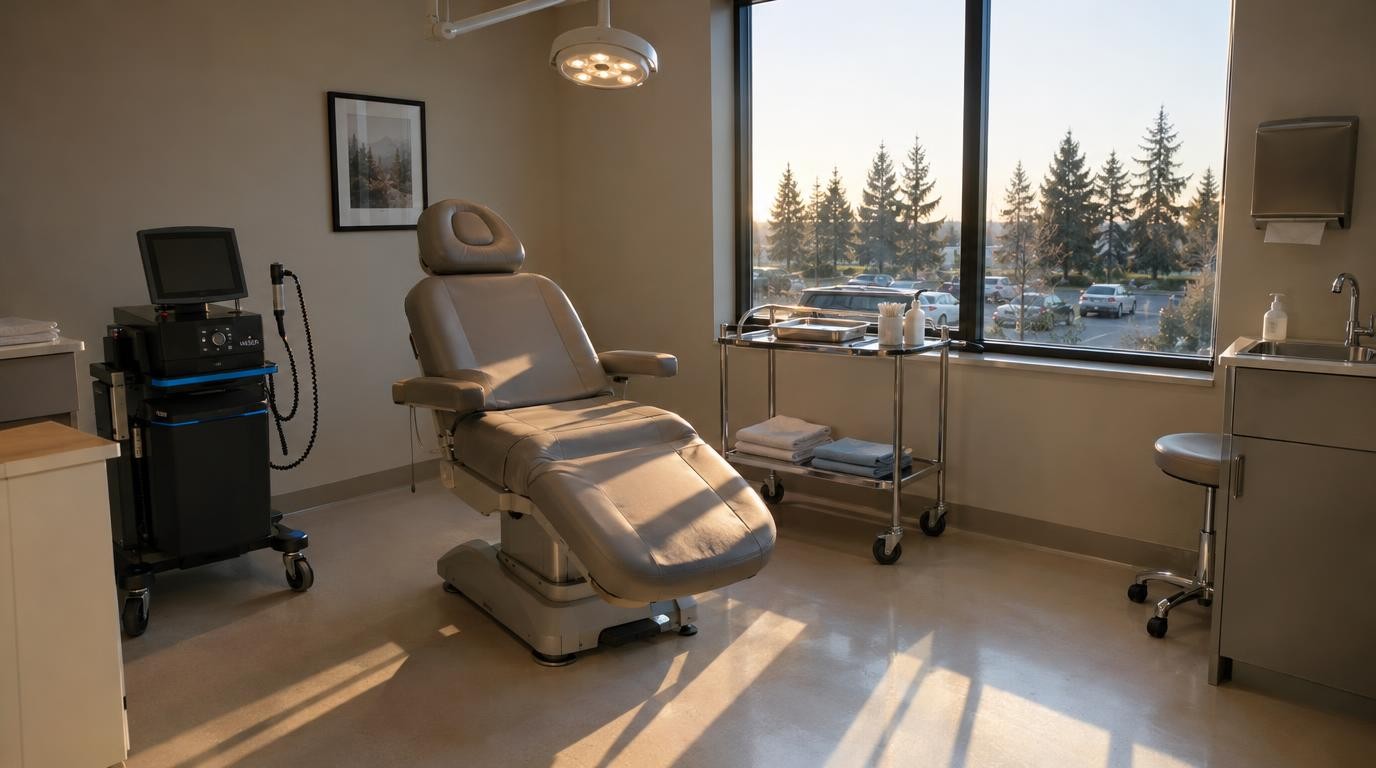
Dr. Tony Mangubat and Dr. Lena Weinman tailor the surgical plan to the overhang and surrounding contours. The remaining skin is positioned over the reshaped abdomen, and the surgeon explains beforehand how the chosen approach affects the incision and belly button.
When Are Muscle Repair and Liposuction Added?
Muscle repair is considered when separation contributes to abdominal protrusion; it is not an automatic requirement for every patient. VASER liposuction may be added to address selected fat deposits and refine the contour around the tissue removal. Liposuction does not remove a substantial apron of loose skin, so adding it does not substitute for choosing an adequate skin-removal approach.
For selected remaining mild to moderate laxity, our team may discuss Renuvion tissue tightening as an addition to the surgical plan. Renuvion does not replace removal of a substantial overhang.
What Does a Drain-Free Technique Change?
Our surgeons use a drain-free tummy tuck technique with dissolvable sutures, so patients do not have external drainage tubes to manage. Drain-free does not mean fluid collection is impossible or that healing requires no monitoring.
What Is Recovery Like After a Drain-Free Tummy Tuck?
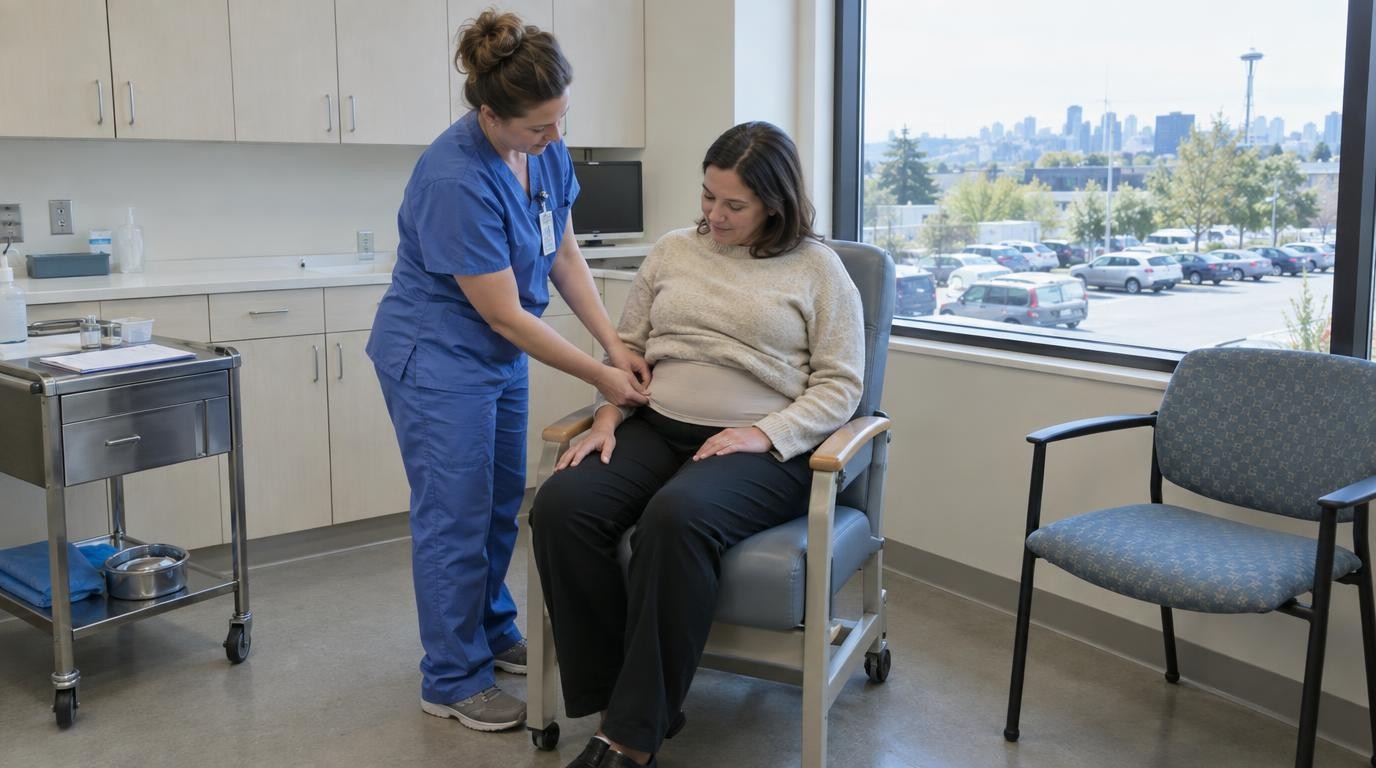
At La Belle Vie Cosmetics, recovery typically lasts 3-6 weeks, with activities resumed gradually as healing allows. The Aesthetic Society’s tummy tuck recovery advice recommends arranging help at home for at least the first three days and walking slowly beginning the day after surgery to help prevent blood clots.
When Can You Shower and Resume Usual Activities?
Our drain-free approach may allow showering within days, but patients should wait for their surgeon’s clearance and follow their incision-care instructions. Mayo Clinic’s tummy tuck guidance advises avoiding lifting, straining, and other strenuous tasks for the first six weeks, and avoiding sports for at least eight weeks. The timing of a return to work depends in part on the job’s physical demands and how healing progresses.
Why Is a Compression Garment Used?
A postoperative compression garment supports the healing abdomen and helps manage swelling as tissues settle. At La Belle Vie Cosmetics, patients typically begin wearing it immediately after surgery. You may need to wear it around the clock at first, then gradually switch to part-time use; your surgeon will set the schedule and total duration based on your healing.
What Results Can You Realistically Expect From Apron Belly Surgery?
Apron belly surgery can remove the hanging fold and produce a smoother abdominal contour, but the final shape depends on skin quality, remaining fat, muscle laxity, and the procedure selected. A low incision leaves a permanent scar, even when clothing can conceal it. Swelling can also obscure the developing result while the abdomen heals.
Some patients chiefly want the fold removed; others also want changes to the upper abdomen or waist. Being clear about that difference helps align the operation with the expected result. Removed skin does not return, and contour improvements can be long-lasting. Later weight changes, pregnancy, and aging can change the result; a tummy tuck cannot promise a perfectly flat abdomen.
How Much Does Excess Skin Weigh After Losing 100 Pounds?
Losing 100 pounds does not predict the weight of any excess skin or apron that remains; MedlinePlus guidance on skin after major weight loss explains that skin may not shrink back but gives no standard weight for it. The tissue an operation removes depends on the extent of the overhang and the procedure performed, not solely on weight lost.
What Are the Risks and Warning Signs After a Tummy Tuck?
Tummy tuck risks include bleeding, infection, fluid collection, poor wound healing, altered sensation, blood clots, and anesthesia complications, including with a drain-free approach.
The American Society of Plastic Surgeons’ safety guidance also lists fat necrosis (death of fatty tissue), skin loss or discoloration, asymmetry, recurrent skin looseness, an unsatisfactory aesthetic result, unfavorable scarring, persistent pain, and the possibility of revision. Swelling, bruising, soreness, and temporary numbness can occur during ordinary healing.
The 2024 Aesthetic Surgery Journal database analysis recorded a 2.1% overall rate of major complications among its 55,596 patients; fleur-de-lis abdominoplasty had the highest rate of the seven types studied. That figure does not measure every postoperative problem or predict your individual outcome.
What Are the Warning Signs I Should Be Aware of After a Tummy Tuck?
Brief dizziness or nausea can occur as anesthesia wears off. Contact our surgical team promptly if dizziness, nausea, or vomiting persists or worsens, or if you develop fever, spreading redness, increasing pain or swelling, concerning drainage, or unexpected bleeding. Seek urgent medical attention for chest pain, shortness of breath, an unusual heartbeat, or one-sided leg swelling.
Who Might Need to Postpone Surgery or Discuss Extra Precautions?
If you are still losing weight, you may need to wait until you reach and maintain your goal weight before post-weight-loss surgery. Smoking or an unresolved condition that affects circulation or wound healing may also need to be addressed before surgery.
The 2024 Aesthetic Surgery Journal analysis associated diabetes, being underweight or morbidly obese, and male sex with greater risk of major postoperative complications. These are reasons for an individualized assessment, not automatic exclusion. We review your health conditions, medications, smoking status, and surgical plan to discuss precautions or whether surgery should be postponed.
Frequently Asked Questions
Will a tummy tuck move my belly button?
It depends on the type of tummy tuck. A mini tummy tuck typically leaves the belly button in place. With a full tummy tuck, the surgeon may bring it through a new opening in the tightened skin so it remains in a natural position.
Will a tummy tuck remove my stretch marks?
A tummy tuck may remove stretch marks that lie on the lower abdominal skin being taken away, but it will not erase marks on skin that remains. The result depends on where your stretch marks sit and how much skin the surgeon can remove safely.
Can a tummy tuck use my existing C-section scar?
Yes, your surgeon may be able to incorporate an existing C-section scar into the new tummy tuck scar. Whether that is possible depends on the scar’s position and the skin being removed. A tummy tuck still leaves a permanent incision scar, typically low on the abdomen along the swimsuit line.
Can an apron belly surgery also lift a sagging pubic area?
Yes, at La Belle Vie Cosmetics, we can lift and contour a sagging pubic area during a tummy tuck when it fits the surgical plan. Removing an abdominal overhang alone may not address looseness below it.
What if my loose skin wraps around to my back?
A circumferential body lift may be worth discussing when loose skin extends around the torso to the back. Unlike a tummy tuck focused on the abdomen and nearby sides, a body lift can remove skin around the waist and address other lower-body areas. An American Board of Cosmetic Surgery article describes incisions extending around the lower torso and around the hips and buttocks for a circumferential body lift.
When will I see the final result of my tummy tuck?
You may see an improvement soon after surgery, but swelling can hide the final contour for months. Cleveland Clinic says it can take up to three months to see the final result, while the scar may continue improving for up to one year. Individual healing times vary.
How long should I wait after bariatric surgery before removing an apron belly?
After bariatric surgery, wait until you have reached your goal weight and maintained it for at least six months before considering skin removal, as Cleveland Clinic advises. Reaching that goal weight may itself take one to two years after bariatric surgery.
How Can Lake Forest Park Patients Decide on Their Next Step?
If you are in Lake Forest Park and interested in apron belly surgery, contact La Belle Vie Cosmetics in Seattle to arrange a consultation with Dr. Tony Mangubat or Dr. Lena Weinman. Our team can discuss your options, incision and recovery plan, and realistic results. Call 206-575-0300 to get started.
This information is general and is not medical advice. Talk to a licensed clinician about your own situation before making a treatment decision.
