
Last updated: November 10, 2026
According to Cleveland Clinic, light daily activities may become possible after one to two weeks, but strenuous exercise should be avoided for at least six weeks. Healing continues after you return to work or light routines. At La Belle Vie Cosmetics, our panniculectomy surgery includes aftercare instructions tailored to the operation and your recovery.
How long is panniculectomy recovery time?
Cleveland Clinic estimates that light daily activities may be possible after one to two weeks, advises avoiding strenuous activity for at least six weeks, and says the incision site may take at least six months to heal completely. Returning to a light routine is not the same as complete healing. MedlinePlus advises avoiding strenuous activity and anything that causes strain for four to six weeks. Your recovery may take longer.
What can you expect at two weeks, four weeks, and beyond?
Cleveland Clinic estimates one to two weeks before light activities and at least six weeks without strenuous activity; MedlinePlus gives about four weeks as a general estimate for returning to work. These are different milestones, not competing definitions of “recovered.” Use the table to plan, but follow the instructions we give you for your incision and activity.
| Planning point | What it may mean | Source |
|---|---|---|
| One to two weeks | Light daily activities, potentially including desk work, may become possible. This is not complete recovery. | Cleveland Clinic |
| About four weeks | A general estimate for returning to work; the duties involved matter. | MedlinePlus |
| Four to six weeks or longer | Strenuous activity and activities that cause strain remain restricted until your surgeon clears them. Cleveland Clinic advises at least six weeks without strenuous activity. | MedlinePlus; Cleveland Clinic |
Swelling, incision healing, and scar changes can continue well beyond your return to ordinary tasks. A useful recovery calendar therefore leaves room for both time away from work and a gradual return to physical activity.
What happens during panniculectomy surgery that affects recovery?
Panniculectomy removes the hanging skin and fatty tissue of the lower abdomen through an incision that needs time to heal. At La Belle Vie Cosmetics, surgery takes place under general anesthesia at our accredited surgical facility. The amount of tissue removed and the length of the incision help determine what recovery involves.
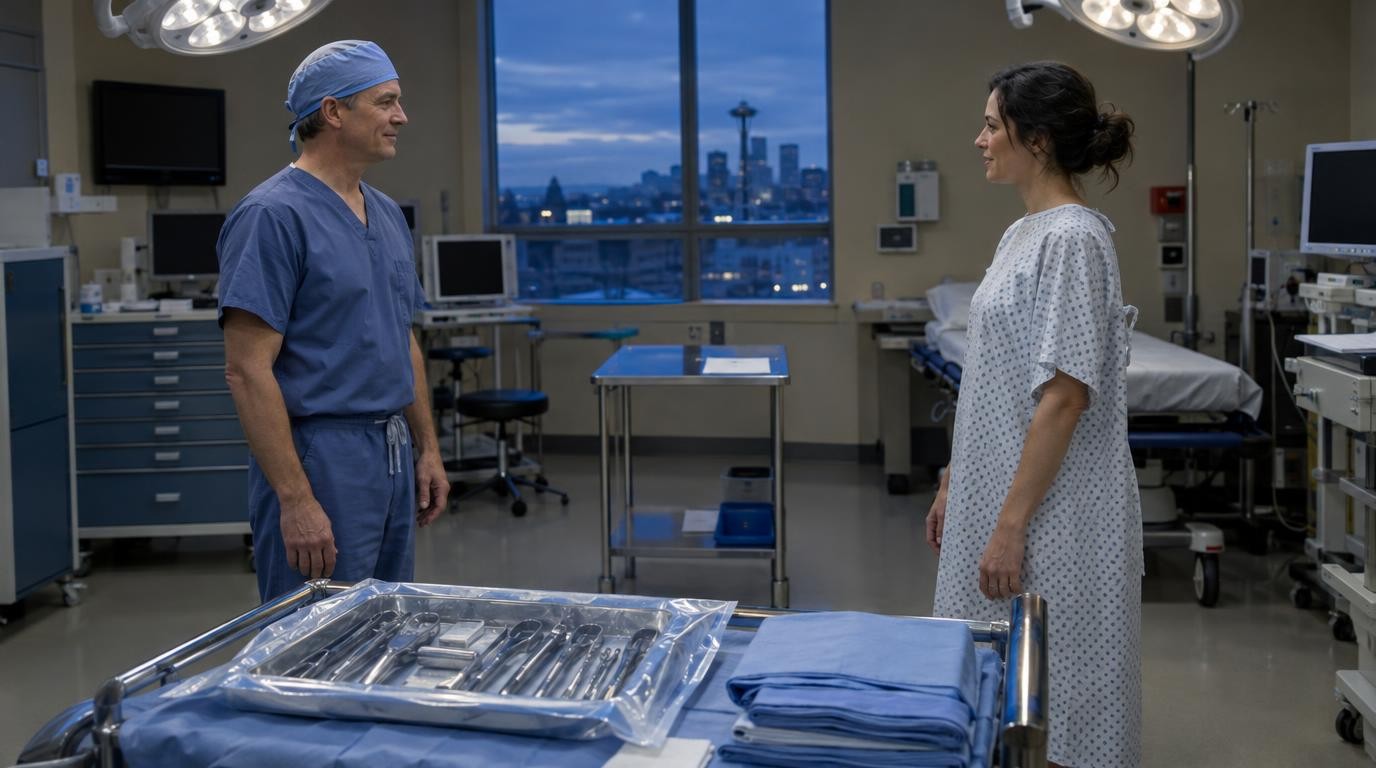
You may be a candidate if substantial weight loss has left you with hanging lower-abdominal skin, particularly if the fold causes irritation, infections, hygiene difficulties, or trouble moving comfortably. Dr. Mangubat evaluates your health, anatomy, goals, and weight stability to determine whether panniculectomy is appropriate for you.
What does removing the abdominal skin fold involve?
Dr. Tony Mangubat performs panniculectomy in three main steps:
- He typically makes a horizontal incision along the lower abdomen.
- He removes the excess skin and fatty tissue.
- He repositions and sutures the remaining skin.
At La Belle Vie Cosmetics, the operation generally takes two to four hours, depending on how much tissue is removed.
A panniculectomy does not typically tighten abdominal muscles. Recovery centers on protecting the incision and allowing the abdominal tissues to heal, although an individual surgical plan may involve additional procedures.
What should you expect during the first two weeks after panniculectomy?
The first two weeks generally involve rest, limited activity, incision care, and gentle movement as directed. Swelling, bruising, soreness, numbness, and tiredness can affect everyday tasks, while dressings and possible drains add care steps. We provide individualized instructions for wound care, walking, and follow-up rather than a universal schedule for every patient.
What is the first week of recovery like?
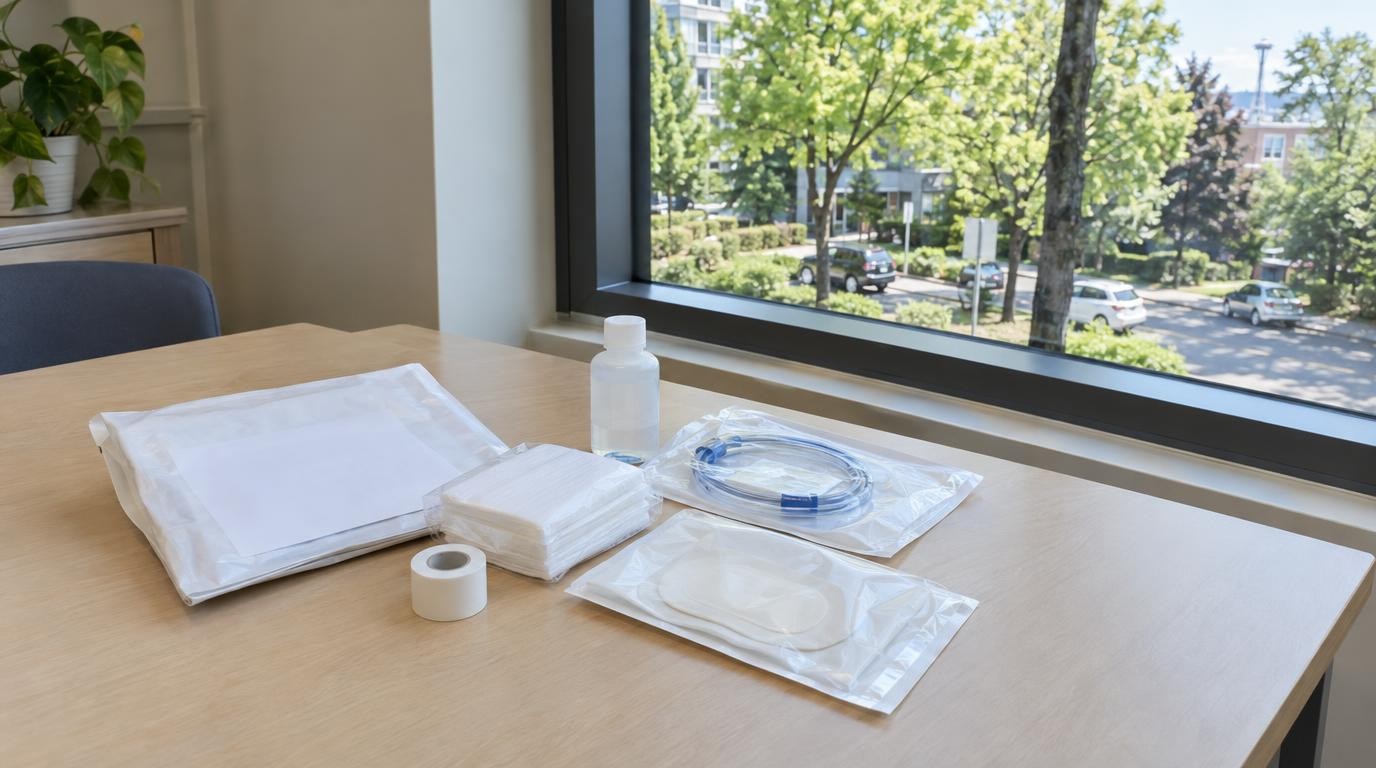
Plan for help at home: after an outpatient panniculectomy, have someone drive you home and stay with you for at least the first 24 hours. Follow your aftercare instructions for incision care, bathing, medication, and any support garment.
The American Society of Plastic Surgeons’ recovery guidance notes that temporary drains may be placed to remove excess blood or fluid. If you have drains, your surgical team will explain their care and typically check them after about one or two weeks; when they can be removed depends on your recovery.
When can I lay flat after a panniculectomy?
There is no universal day when everyone can lie flat. Positioning depends on tension across the incision, your comfort, and Dr. Mangubat’s instructions. MedlinePlus notes that resting with the hips and legs bent may reduce pressure on the abdomen during recovery.
When can you drive and return to work after panniculectomy?
There is no universal day to resume driving: wait until you can move safely and are not taking medication that impairs you. For work, Cleveland Clinic estimates about two weeks, often on light duty, while MedlinePlus estimates about four weeks. Your duties and recovery determine when you can return.
When can I drive after panniculectomy surgery?
You need to be free from pain medication that impairs driving and able to sit, tolerate a seat belt, turn to check traffic, and brake comfortably. Arrange a ride while any of those actions remains difficult. Being able to walk around the house does not, by itself, mean you are ready to drive.
When can I return to a desk job or a physical job?
For desk work, consider whether you can manage the commute, change positions as needed, and care for your incision during the day. A physical job may require longer leave or modified duties until you are cleared for lifting and strenuous movement. Discuss your tasks with Dr. Mangubat before setting a return date.
When can you exercise or lift after panniculectomy?
Gentle walking can begin early when directed, but exercise and heavy lifting require a longer pause. Your aftercare plan will guide how gradually you increase your activity.
When can I start walking after panniculectomy?
La Belle Vie encourages light walking shortly after surgery to promote circulation. Begin with brief, comfortable walks according to your aftercare plan, and keep the pace gentle. Walking for circulation is different from a workout that raises exertion or pulls on the healing abdomen.
When can I resume strenuous exercise and heavy lifting?
MedlinePlus advises avoiding strenuous activity and anything that causes strain for four to six weeks; Cleveland Clinic advises avoiding strenuous physical activity for at least six weeks. Do not resume strenuous exercise or heavy lifting until Dr. Mangubat clears you, even if you can manage light daily tasks. Lifting and abdominal workouts can strain healing tissues.
What can make panniculectomy recovery take longer?
Panniculectomy recovery may take longer when more tissue is removed, the incision heals slowly, other health conditions need attention, or complications occur. Smoking can also interfere with healing, and a physically demanding routine may delay a full return to normal duties. Published timelines are planning ranges, not guarantees for an individual patient.
Before surgery, discuss medical conditions and smoking with Dr. Mangubat. MedlinePlus notes that smoking can slow healing and increase blood-clot risk. If you plan substantial weight loss, the American Society of Plastic Surgeons advises postponing panniculectomy because significant weight changes can diminish the result; our guide to body contouring after major weight loss covers related planning considerations.
What are the risks of panniculectomy, and who may need to postpone it?
Panniculectomy carries surgical risks, including bleeding, infection, fluid collection, wound-healing problems, and blood clots; these outcomes are possible, not inevitable. Smoking, unstable weight, or inadequately controlled medical conditions may make postponement appropriate after individual evaluation. Discuss your personal risks and readiness for surgery with your own clinician before making a treatment decision.
A 2026 retrospective study of 127 adults in a high-risk, single-surgeon cohort reported complications in 31.5% of patients. That figure describes the study’s selected group – including patients who had an additional hernia repair – and should not be used as an individual patient’s predicted risk.
Which symptoms should prompt a call to your surgeon?
Contact the surgical team promptly for fever, worsening redness or drainage, severe or increasing pain, or concerning swelling in a leg. Chest pain or shortness of breath warrants emergency care. Follow the specific warning-sign and contact instructions in your postoperative packet, even if a symptom does not fit neatly into this list.
How does panniculectomy recovery compare with a tummy tuck?
In an American Society of Plastic Surgeons interview, one surgeon describes about two weeks of initial recovery and approximately six weeks of lifting and movement restrictions for both operations in his practice. He notes that a tummy tuck involving muscle tightening can be more uncomfortable early on. Panniculectomy removes a hanging skin fold without typically tightening the abdominal muscles; your health and any additional procedures can also affect recovery.
How long is the recovery time after a tummy tuck?
For a tummy tuck, The Aesthetic Society recommends planning about two weeks off work, depending on your job, and says recovery can continue for six months or more. Dr. Mangubat may recommend combined procedures when appropriate, which can change your aftercare instructions. Our guide to tummy tuck options for an apron belly explores how the approaches differ.
Can a med-spa contouring treatment replace panniculectomy?
No nonsurgical contouring treatment removes the substantial loose skin and tissue that panniculectomy excises. A treatment with less downtime may address a different contouring goal, but it is not an equivalent solution for a hanging skin fold that affects hygiene, comfort, or movement. The appropriate approach depends on what tissue needs to be addressed.
When do swelling and scars improve after panniculectomy?
MedlinePlus estimates about three months for swelling to go down, while the American Society of Plastic Surgeons’ results guidance says a panniculectomy scar may take several months to a year to fade as much as it will. At La Belle Vie, we expect initial swelling and bruising for several weeks, even if you return to everyday activity sooner.
MedlinePlus estimates about three months for wounds to heal and says final results and scar fading can take up to two years. Wound healing and complete incision healing are different milestones, and these estimates do not promise how your scar will look. Follow your incision-care instructions as you heal.
Removing the hanging fold may improve comfort, hygiene, and movement. The American Society of Plastic Surgeons describes the removal as technically permanent, but significant weight fluctuations can change your abdominal contour. Maintaining a stable weight helps preserve the result.
Frequently Asked Questions
Is a panniculectomy typically covered by health insurance?
Coverage is not automatic. The American Society of Plastic Surgeons’ recommended coverage criteria distinguish surgery for documented functional or skin-health problems, such as recurrent irritation or infections beneath the fold, from surgery solely to improve appearance, which a policy may exclude. Check your particular policy and any documentation requirements with your insurer before surgery, as the society’s panniculectomy guidance recommends.
Can I go home the same day as a panniculectomy?
You may be able to go home the same day, depending on your surgical plan and recovery after anesthesia. Cleveland Clinic says most panniculectomies are outpatient procedures. Arrange for someone to drive you home and stay with you for at least the first 24 hours.
When does pain start to improve after a panniculectomy?
Pain and discomfort often begin to decrease after five to seven days, according to Cleveland Clinic. The first several days are often the most painful, and swelling and soreness may continue as you heal. At La Belle Vie Cosmetics, we will give you instructions for managing discomfort; contact us if pain is severe or increasing.
Do I have to wear a compression garment after a panniculectomy?
Not everyone needs the same garment or wearing schedule after a panniculectomy. An elastic bandage or compression garment may help reduce swelling and support the healing abdomen, according to the American Society of Plastic Surgeons. At La Belle Vie Cosmetics, follow the garment instructions we give you rather than choosing one or setting a schedule yourself.
When will my surgeon check my incision, stitches, and drains?
An incision check and attention to stitches or drains may take place after about one or two weeks, according to Cleveland Clinic. That does not mean every drain or stitch is removed at that visit. At La Belle Vie Cosmetics, we will schedule follow-up based on your surgical plan and assess what is ready to be removed.
Can I shower while I have drains or dressings?
Ask our team when and how to shower after your operation; drains and dressings may change your bathing instructions. Care for the incision and drain sites as directed, and do not soak in a bath until Dr. Mangubat says it is safe.
Will my belly button be moved or removed during a panniculectomy?
Your belly button may be pulled downward or removed during panniculectomy, depending on the size of the hanging abdominal tissue, as Cleveland Clinic’s discussion of panniculectomy explains.
How can you plan your recovery with La Belle Vie?
When planning time away from your usual responsibilities, account for the physical demands of your work, help you will need at home, and the gradual return to activity as your incision heals.
If you live in Burien or elsewhere near Seattle, La Belle Vie Cosmetics provides panniculectomy at our accredited Seattle-area surgical facility in Tukwila. To discuss your recovery plans at a consultation with Dr. Tony Mangubat, call 206-575-0300.
This information is general and is not medical advice. Talk to a licensed clinician about your own situation before making a treatment decision.
