

Last updated: November 13, 2026
Top surgery keyhole is a masculinizing chest reconstruction approach that removes breast tissue through a small incision when there is little excess tissue or skin. At La Belle Vie Cosmetics, the choice between keyhole and an incision that can also remove skin depends on a physical examination, not scar preference alone. Learn more about our FTM and MTF chest reconstruction service.
What Is Keyhole Top Surgery, and How Does It Work?
Keyhole top surgery is a subcutaneous mastectomy that removes breast tissue through a small incision to create a flatter, more masculine chest. At La Belle Vie Cosmetics, keyhole is an option when little excess skin and breast tissue need removal. Its smaller incision usually means less visible scarring than double-incision surgery, but keyhole is not scar-free.
Chest contour matters as much as the incision. Tissue removal must suit the existing skin, nipple position, and shape of the chest.
Is keyhole top surgery the same as MTF chest reconstruction?
No. Keyhole surgery addresses masculinizing chest reconstruction by removing breast tissue. Feminizing chest reconstruction aims to create breast fullness and involves different procedures and planning. The word “top surgery” can refer to either goal, so it helps to specify which kind of chest reconstruction you mean.
Who Is a Good Candidate for Keyhole Top Surgery?
A good candidate for keyhole top surgery generally has minimal excess breast tissue and skin, with skin likely to settle after tissue removal. Chest size alone cannot settle eligibility: skin elasticity, existing contour, and nipple goals also matter. Dr. Tony Mangubat assesses these features during a physical examination before recommending an incision approach.

Removing tissue through a small opening does little to correct loose skin. If the skin cannot settle around the new contour, a technique that removes skin may offer a better fit. The American Society of Plastic Surgeons also identifies breast tissue, excess skin, nipple position, areola size, and sensation goals as factors in technique selection.
How do chest size and skin elasticity affect keyhole eligibility?
A smaller chest with little loose skin is more likely to suit keyhole. A larger chest or substantial skin laxity may need an approach with more access for skin removal and contouring.
What Happens During Keyhole Top Surgery at La Belle Vie?
At your consultation, Dr. Mangubat examines your chest and discusses your preferred shape to plan the incision, expected contour, and scars. If your anatomy requires more skin and tissue removal, our double-incision approach can remove excess skin and use nipple grafts.
Before surgery, the surgeon typically marks your chest while you are sitting up. The American Society of Plastic Surgeons’ procedure guide describes intravenous sedation and general anesthesia as options; your surgical team will recommend the anesthetic appropriate for you. Once anesthesia has taken effect, we make a small incision along the lower edge of each areola, remove breast tissue through those incisions, and contour your chest. For a broader view of planning choices, see our guide to top surgery techniques and outcomes.
Will keyhole surgery change the size or position of my nipples?
Do not assume that keyhole will resize or reposition your nipples. The nipples and areolas remain attached in keyhole surgery, making repositioning or size reduction difficult. By contrast, our double-incision approach uses nipple grafts to reduce and reposition the areolas. Discuss your nipple placement and sensation priorities before choosing an approach.
How Does Keyhole Compare With Double-Incision Top Surgery?
Keyhole favors a smaller incision when little skin or tissue needs removal; double-incision surgery provides room to remove more tissue and excess skin. At La Belle Vie Cosmetics, double incision involves bilateral simple mastectomy with nipple grafts. Its permanent scars are generally placed near the lower pectoral border, while keyhole leaves a smaller incision scar.
The central tradeoff is not simply small scars versus large scars. It is whether an approach has enough access to produce an appropriate contour for your skin and tissue. This comparison summarizes the approaches we discuss on our service page:
| Consideration | Keyhole | Double incision |
|---|---|---|
| Typical fit | Minimal excess tissue and skin | More excess tissue and skin |
| Skin removal | Cannot remove excess skin | Allows excess skin removal |
| Nipple plan | Limited ability to resize or reposition | Nipple grafts allow areola resizing and repositioning |
| Scars | Small incision scar | Permanent chest scars, generally near the lower pectoral border |
What’s the difference between top surgery and a double mastectomy?
Masculinizing top surgery removes breast tissue from both sides and may itself be described as a bilateral, or double, mastectomy. “Top surgery” also conveys the gender-affirming goal of shaping the chest; “double mastectomy” alone does not specify the reason for surgery or how the skin and nipples will be treated.
Could periareolar, buttonhole, or inverted-T be alternatives to ask about?
Possibly. Periareolar surgery uses incisions around the areola and can remove some excess skin; the American Society of Plastic Surgeons’ glossary distinguishes it from keyhole, which cannot remove skin. The American Society of Plastic Surgeons’ top surgery training overview also names buttonhole and inverted-T as approaches distinct from keyhole. Ask what skin removal, scars, and nipple plan each proposed technique would involve. These are approaches to discuss, not procedures confirmed to be offered by La Belle Vie Cosmetics or suitable for every chest.
What Results Can You Expect From Keyhole Top Surgery?
Keyhole top surgery aims for a flatter, more masculine chest with a small incision scar, not an invisible scar or a guaranteed shape. Because keyhole cannot substantially remove loose skin, preexisting laxity can affect the final contour. Tissue distribution, nipple position, and healing also influence the appearance after surgery.
Removed breast tissue is not expected to grow back, so the change in chest contour is generally lasting. The Mayo Clinic’s masculinizing surgery guidance notes that some breast tissue remains after top surgery. Healing and weight changes can also change how your chest looks over time; those changes are distinct from how the scar matures.
Scars remain, but they often fade with time; Johns Hopkins Medicine notes that top surgery scars can take up to 18 months to settle. Our top surgery scar and healing guide offers more context for scar expectations.
Will keyhole top surgery leave a visible scar or loose skin?
Keyhole leaves an incision scar, although it is smaller than the scars associated with double incision. Loose skin may remain if the skin does not settle well after tissue removal; keyhole is not designed to remove substantial excess skin. No incision choice can guarantee symmetry, nipple sensation, or a particular final appearance.
How Long Does It Take to Heal From Keyhole Top Surgery?
At La Belle Vie Cosmetics, we generally recommend taking 1 to 2 weeks off sedentary work or 3 to 4 weeks off more active work and avoiding exercise and weight lifting for 1 month. These are our general top-surgery timelines, not a fixed keyhole-specific healing time; recovery varies with the operation and how you heal.
What other activity limits apply during recovery?
We advise avoiding strenuous activity for 2 to 3 weeks and side or stomach sleeping for 1 month. During weeks 5 and 6, gradually increase the weight you lift.
For chest reconstruction without nipple grafts, we commonly remove dressings at the 3- to 4-day postoperative visit. Your individual postoperative instructions may adjust these general timelines.
Get adequate rest and eat a balanced diet that includes enough protein while you heal. Wash your hands before and after touching your incisions and after using the bathroom.
What Are the Risks of Keyhole Top Surgery, and Who Should Avoid It?
Keyhole top surgery is still an operation, despite its small incision. Bleeding or a hematoma, fluid buildup called a seroma, infection, reactions to anesthesia, scarring, and contour irregularities are possible; some outcomes require revision surgery. Substantial excess skin or tissue can make keyhole a poor fit. Medical history and anesthesia safety are assessed individually rather than by incision size alone.
A 2025 retrospective study in Annals of Plastic Surgery evaluated 53 patients—36 receiving gynecomastia surgery and 17 receiving gender-affirming top surgery—and reported a 21% complication rate, three hematomas (6%), and five revisions (9%) across the mixed group. These sources do not establish a reliable keyhole-specific complication rate, and the mixed-group figures cannot predict your individual risk.
Contact our surgical team promptly for concerning incision redness, increasing pain or swelling, fever, or concerning wound drainage; you do not need to have all these signs at once. Seek urgent medical care for rapidly expanding chest swelling, heavy bleeding, chest pain, or trouble breathing. Discuss your own risks, including possible contour changes or further treatment, with your clinician during informed consent.
How serious is keyhole surgery?
Keyhole requires the same serious attention to surgical and anesthesia assessment as other chest reconstruction approaches. At La Belle Vie Cosmetics, patients with a BMI of 36 or above meet with an anesthesia provider for clearance at the preoperative appointment, about 2 weeks before surgery. For patients with a BMI of 45 or above, anesthesia and surgery eligibility are decided case by case. These are assessment thresholds, not automatic exclusions.
What are the top 3 riskiest surgeries?
There is no meaningful universal top-three list: surgical risk depends on the procedure and the patient’s health. A small keyhole incision alone does not establish how risky an operation will be. Ask us about the risks of the approach proposed for you.
How Can You Decide Whether to Request Keyhole Top Surgery?
Consider nipple sensation alongside scar placement and contour: keyhole leaves the nipples attached, while our double-incision approach can reposition them with grafts, but full sensation may not return after grafting. At La Belle Vie Cosmetics, Dr. Tony Mangubat considers those priorities together with your skin and tissue when planning surgery.
A useful consultation checklist includes:
- Whether your skin is likely to settle after tissue removal without significant skin removal.
- How keyhole and double incision would differ for your expected contour, scars, and nipple goals.
- Which alternatives our team offers for your anatomy and what each approach can and cannot change.
- What support, follow-up visits, and activity restrictions your recovery plan would involve.
What should I ask at a top surgery consultation in Seattle?
At a Seattle consultation, ask how much skin needs removal and whether changing your nipple or areola position is important to you. Keyhole cannot remove excess skin or easily move or resize the nipples and areolas; double incision allows skin removal and areola resizing and repositioning with grafts. For another way to weigh these priorities, compare periareolar top surgery and double incision on skin removal and nipple placement.
Do I need hormone therapy or a referral letter before a consultation?
We do not require hormone therapy for gender-affirming chest reconstruction or a supporting letter for a consultation. For adults, we require one referral from a qualified mental health professional before surgery. An insurer may have separate hormone therapy requirements for coverage, and a significant medical history may require additional letters for medical clearance.
Frequently Asked Questions
Will I need someone to stay with me after keyhole top surgery?
Yes. At La Belle Vie Cosmetics, we require a trusted adult to pick you up after surgery and stay with you for the first 24 to 48 hours. Your caregiver receives postoperative instructions and should be able to help you physically if needed. Arrange that support before your surgery date.
How much can I lift after keyhole top surgery?
At La Belle Vie Cosmetics, you should not lift anything weighing more than 10 pounds over your shoulders for one month after top surgery. We also ask you to avoid reaching, pushing, pulling, and other strenuous movements for 2 to 3 weeks. Follow your individual instructions if they differ.
When can I start using silicone scar tape after keyhole top surgery?
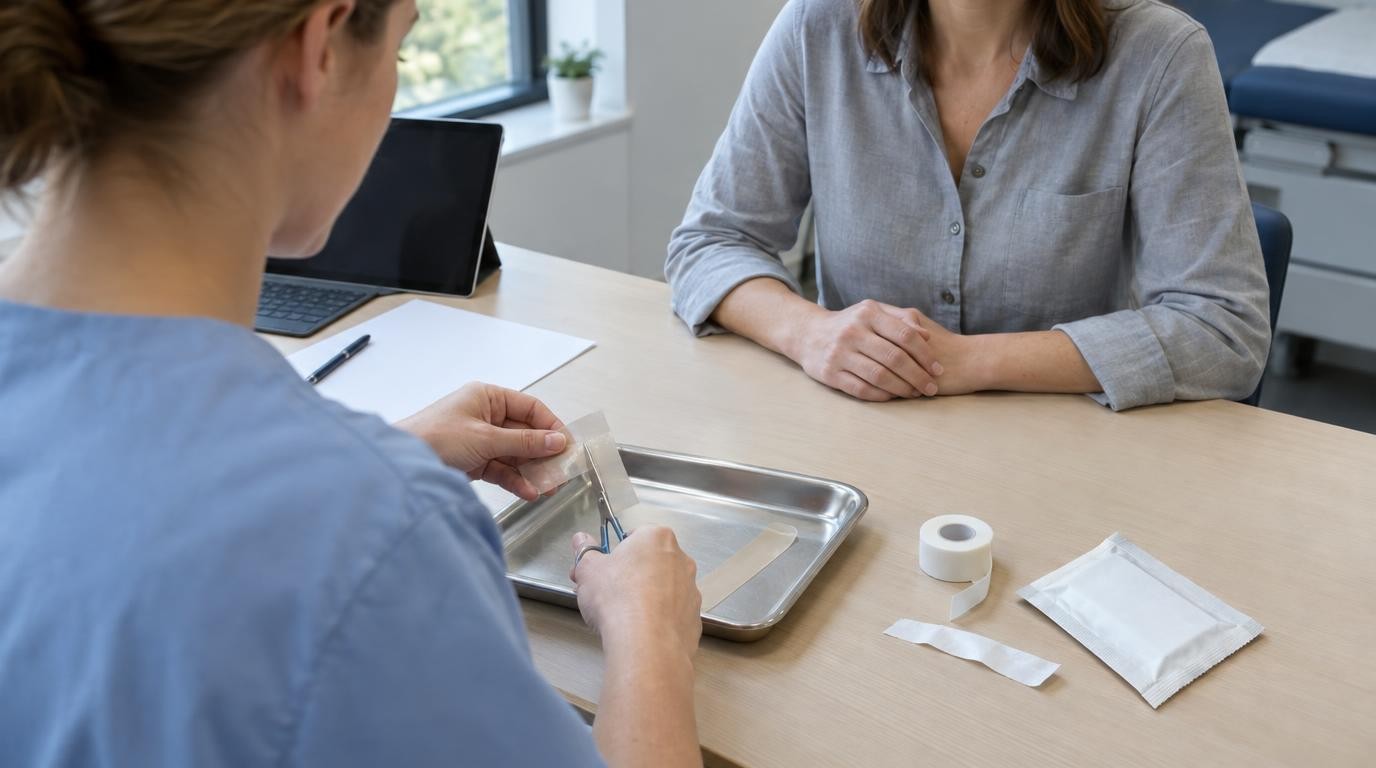
You can start using silicone sheets or tape once your bandages are removed, according to our top surgery guidance at La Belle Vie Cosmetics. Avoid steroid scar treatments for the first three weeks because they may weaken healing scars. Dr. Mangubat can assess your incisions at follow-up and advise whether additional treatment is appropriate.
Can I fly home soon after keyhole top surgery?
Possibly. At La Belle Vie Cosmetics, we generally do not restrict air travel for most procedures once the effects of anesthesia have worn off, usually about 24 to 48 hours after surgery. If you are traveling from out of state, you must remain nearby until your dressings are removed. Confirm your follow-up and travel plans with our team, and arrange help with luggage if you fly soon after surgery.
When can I take a bath after keyhole top surgery?
At La Belle Vie Cosmetics, do not soak your incisions in a bathtub or hot tub for at least one month and until all scabbing has resolved. This restriction concerns submerging the incisions; it does not establish when you can shower.
Do I still need breast cancer screening after keyhole top surgery?
Yes, screening may still be needed. Before surgery, discuss your personal and family breast-cancer history with your clinician and ask whether imaging is appropriate for your age or risk; it is not required for everyone. After surgery, breast cancer can still develop in tissue left behind, so ask your clinician what ongoing breast or chest screening is appropriate for you.
Do I have to stop testosterone before keyhole top surgery?
No. At La Belle Vie Cosmetics, testosterone does not need to be stopped before gender-affirming chest reconstruction. Tell Dr. Mangubat and your anesthesia team about every medication you take so they can give you instructions tailored to your medical history.
Is Keyhole Top Surgery Worth Discussing for Your Chest?
Keyhole top surgery is worth discussing if your chest has little excess tissue or skin and a smaller scar is important to you. The right approach still depends on an examination and on your priorities for contour and nipples. If more skin removal is needed, double incision may better address the shape you want.
If you are considering masculinizing chest reconstruction, contact La Belle Vie Cosmetics in Seattle, Washington, at 206-575-0300 to request a consultation with Dr. Tony Mangubat. Our team can help you compare the approaches we offer against your anatomy and goals.
This information is general and is not medical advice. Talk to a licensed clinician about your own situation before making a treatment decision.
