

Last updated: October 1, 2026
Abdominoplasty for diastasis recti is a surgical procedure that repairs separated abdominal muscles while removing excess skin and fat from the midsection. Rather than focusing only on appearance, this approach also addresses the functional component of muscle separation. If you are among the many adults experiencing abdominal muscle separation, understanding when surgery becomes necessary can help you make an informed decision about your body contouring options.
What Is Abdominoplasty for Diastasis Recti?
How Does Diastasis Recti Differ From Belly Fat?
Diastasis recti refers to the separation of the rectus abdominis muscles along the linea alba, the connective tissue that runs down the center of the abdomen. This condition is distinct from simple accumulation of belly fat; it involves a structural weakening of the abdominal wall that can cause a visible bulge, especially when the core is engaged. Excess fat may respond to diet and overall weight loss. Mild muscle separation may improve with structured core exercise, while more severe separation may require surgical repair to restore core function and a flatter contour.
Abdominoplasty for diastasis recti differs from a purely cosmetic tummy tuck by incorporating muscle repair as a core component of the procedure. During the surgery, the surgeon brings the separated muscles together and sutures them into a tighter position, aiming to address both the functional impairment and aesthetic concerns. According to a comprehensive review in the journal Hernia, surgical repair may involve open, laparoscopic, or robotic-assisted techniques, often with mesh reinforcement. The same review notes that consensus is still lacking on when treatment is indicated and on long-term effectiveness.
What Does the Research Say About Diastasis Recti Treatment?
How Much Can Exercise Reduce Inter-Recti Distance?
A 2026 meta-analysis published in Hernia pooled 9 randomized controlled trials with 450 postpartum participants and found that structured exercise programs reduced the gap between the rectus muscles by an average of 8.05 mm compared with no intervention or standard care. In that analysis, programs started less than three months after delivery achieved a greater average reduction, 10.2 mm, than programs started later.
The same meta-analysis highlighted an important distinction: while exercise produced measurable anatomical improvements, it did not translate into better functional recovery on a standard disability questionnaire in the two trials (115 participants) that measured it. No significant difference emerged between specific types of training, suggesting that no single exercise program has been shown to be superior. The Hernia review reports that core stabilization improves function in mild cases and that severe diastasis may require surgical repair, so conservative care is a reasonable first step, while persistent, severe separation with functional impairment may call for surgery.
Am I a Good Candidate for Diastasis Recti Surgery?
What Gap Size Indicates the Need for Abdominoplasty?
Candidates for diastasis recti surgery typically include adults with persistent muscle separation that has not responded to conservative treatment. There is no universally agreed gap width that signals the need for surgery, and published reviews note that consensus on treatment indications is lacking; surgeons generally consider repair for more severe separation, particularly when it is accompanied by functional symptoms such as lower back pain, abdominal weakness, or difficulty with core-intensive activities.
Ideal candidates are in good overall health, at or near their target weight, and have completed their family, as future pregnancies can stretch the abdominal wall again and undo the repair. The time since delivery also plays a role; many surgeons advise waiting at least six months after childbirth, because separation can lessen on its own and with structured exercise before surgery is considered. Patients should have realistic expectations about outcomes and understand that surgery aims to address both functional and aesthetic concerns, but results vary based on individual factors.
What Happens During Diastasis Recti Repair Surgery?
How Do Surgeons Tighten Separated Abdominal Muscles?
During abdominoplasty for diastasis recti, the surgeon begins by making an incision typically placed low on the abdomen, where resulting scarring can be concealed beneath clothing. Through this access point, the surgeon identifies the separated rectus muscles and brings them toward the midline. Sutures are placed in the tough connective tissue covering the muscles to draw them together, tightening the abdominal wall with the goal of restoring core support. The technique is sometimes called muscle plication.
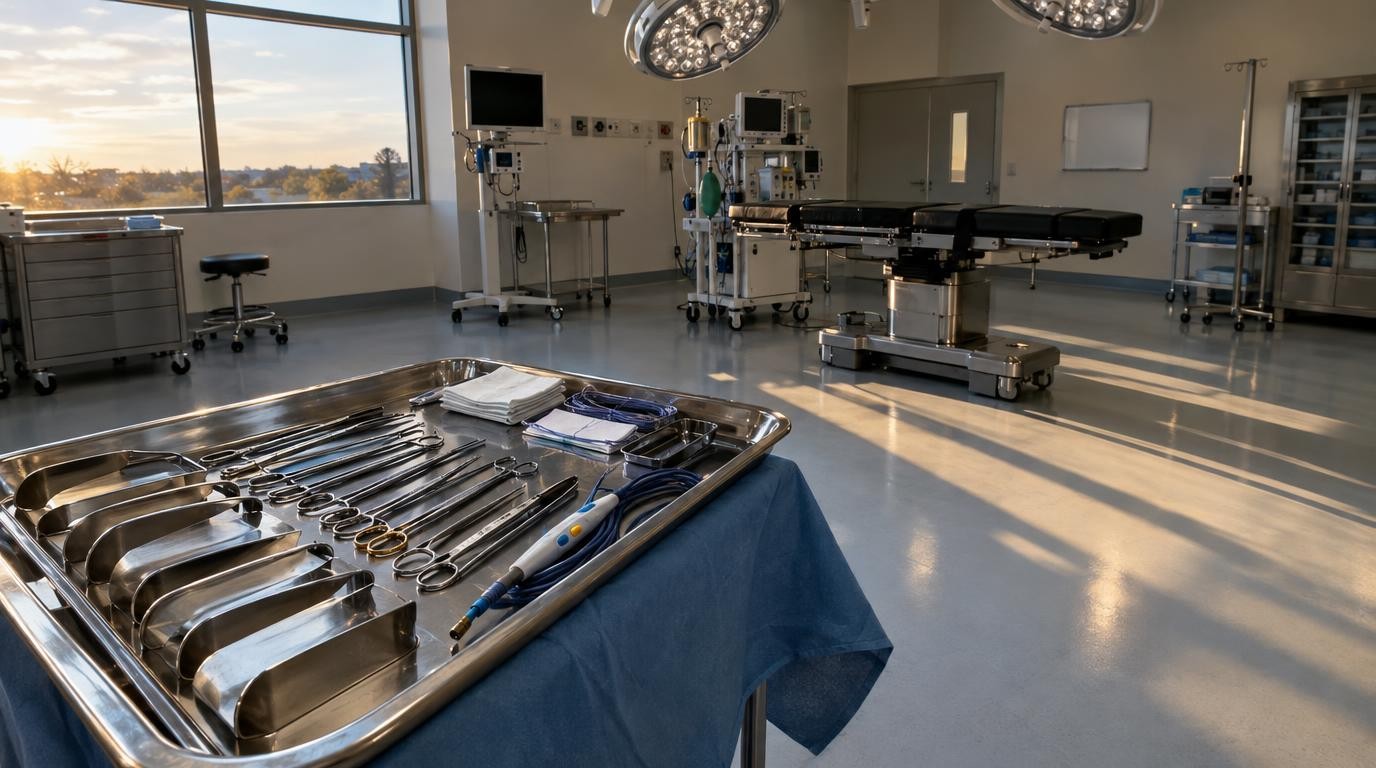
Following muscle repair, excess skin is excised, and the remaining tissue is draped smoothly over the newly contoured abdomen. Liposuction may be incorporated to address localized fat deposits. The procedure is typically performed under general anesthesia in an accredited surgical facility, and many patients return home the same day or after a brief observation period. The surgeon tailors the approach based on the extent of separation and the patient’s aesthetic goals. If excess skin forms an apron-like overhang, our guide to a tummy tuck for apron belly compares approaches.
Risks, Side Effects and Who Is Not a Candidate
As with any surgical procedure, abdominoplasty carries inherent risks that patients should understand before proceeding. Potential complications include infection, bleeding, adverse reactions to anesthesia, and delayed wound healing. Specific to this procedure, there is a risk of seroma formation, changes in skin sensation, and visible scarring that may take months to mature. Rare but serious risks include deep vein thrombosis and pulmonary embolism.
Conditions to discuss with your surgeon before considering diastasis recti surgery include uncontrolled medical conditions, active infections, and underlying health issues that may impair healing. Patients who smoke should cease tobacco use well in advance, as smoking substantially increases complication risks. Those with unrealistic expectations about results or those not committed to following post-operative care instructions may not be suitable candidates. A thorough consultation with a qualified surgeon helps determine whether the procedure aligns with your health status and goals.
What Is Recovery Like After Abdominoplasty for Diastasis Recti?
Recovery from diastasis recti repair surgery typically spans several weeks, with many patients returning to light activities within two weeks and to more strenuous exercise after six to eight weeks. During the initial recovery period, patients wear a compression garment to minimize swelling and support the healing abdominal wall. Discomfort is common but usually manageable with prescribed or over-the-counter pain medication as directed by the surgeon.

Following post-operative instructions is essential for optimal healing. Patients should avoid heavy lifting and core-intensive activities for at least six weeks. Walking is encouraged early to promote circulation, but strenuous activity should be gradually reintroduced. Regular follow-up appointments allow the surgical team to monitor progress and address any concerns. Many patients notice initial improvements within weeks, with final contours emerging over three to six months as swelling subsides.
Deciding whether abdominoplasty is the right solution for diastasis recti is a personal choice that depends on the severity of your condition, your health history, and your aesthetic goals. While research supports conservative approaches for mild cases, more severe, persistent separation with functional impairment may be treated with surgical repair, although evidence on long-term outcomes is still developing.
If you are considering abdominoplasty for diastasis recti, La Belle Vie Clinic in Seattle welcomes the opportunity to discuss your options. Our team provides thorough consultations to help you understand whether this procedure aligns with your needs. We invite you to reach out to schedule a personalized evaluation and learn more about how surgical repair might restore both comfort and confidence to your midsection.
Frequently Asked Questions
What is the difference between diastasis recti and belly fat?
A practical clue is what happens when you tense your core: diastasis recti often shows as a ridge or bulge down the center of the abdomen when you lift your head and shoulders from a lying position, while fat is soft tissue that does not change shape with muscle effort. A clinician can feel for the gap along the midline, and ultrasound can measure it precisely. Diastasis recti is most common after pregnancy but can also affect men, particularly with obesity and aging.
At what point is surgery needed for diastasis recti?
There is no single measurement that decides it. Surgery is usually discussed when separation remains severe after a structured exercise program and is causing symptoms that affect daily life. If you have completed physical therapy or a core program, bring notes on how long you followed it and any gap measurements you have, since this helps your surgeon judge whether conservative care has run its course.
How does diastasis recti repair differ from a standard tummy tuck?
Many tummy tucks already include some degree of muscle tightening, so it is worth asking your surgeon exactly what your plan includes: skin and fat removal alone, muscle plication, liposuction, or mesh reinforcement. Muscle repair can make the abdomen feel tighter during early recovery and may shape the activity restrictions you are given. Insurance coverage for this surgery varies, so check with your insurer before your procedure.
How soon can I return to normal activities after diastasis recti surgery?
Plan ahead for the lifting restriction, which includes carrying young children, groceries, and laundry baskets; arranging help at home for the first several weeks makes it easier to follow. Many people with desk jobs plan about two weeks off work, while physically demanding jobs may need longer. Do not drive while taking prescription pain medication that causes drowsiness, and confirm with your surgeon when it is safe to resume driving and exercise.
What questions should I ask during a diastasis recti surgery consultation?
Ask about the surgeon’s experience with diastasis recti repair specifically, including how often they perform it, the techniques they recommend for your case, and how they determine whether muscle plication alone or mesh reinforcement is appropriate. It is also helpful to ask about their complication rates, what happens if separation returns, whether they recommend physical therapy after surgery, and what your expected recovery timeline looks like.
What scar placement can I expect after diastasis recti surgery?
Scar length depends on how much skin needs to be removed, and many patients also have a small scar around the belly button. Bringing the underwear or swimwear you usually wear to your consultation can help your surgeon plan where the incision will sit. Scars often continue to fade and flatten for a year or more, and protecting them from sun exposure can help them heal with less discoloration.
Related reading
- What to Expect From Your Tummy Tuck Results After GLP-1 Weight Loss
- Full Body Lift Surgery: What You Need to Know
- Inner Thigh Lift Surgery: What Makes an Ideal Candidate?
Sources
- Non operative management of postpartum Diastasis Recti: a systematic review and metanalysis of randomized controlled trials
- Diastasis recti abdominis: A comprehensive review
This article is general information and is not medical advice. Talk to a licensed clinician about your own situation before making a treatment decision.
