
Last updated: November 18, 2026
A tummy tuck focuses on loose skin and contour at the front of the abdomen and may tighten separated abdominal muscles. A lower body lift addresses loose skin extending around the lower torso, often including the hips, buttocks, and outer thighs; the surgical plan may include a tummy tuck. At La Belle Vie Cosmetics, our complete body lift combines abdominal, buttock, and outer thigh procedures in a plan tailored to the patient.
How Do a Lower Body Lift and Tummy Tuck Differ?
A tummy tuck, or abdominoplasty, removes excess abdominal skin and fat and may tighten weakened or separated abdominal muscles. In a circumferential lower body lift, an incision around the lower torso allows excess skin and fat to be removed and the remaining tissues to be repositioned and tightened. The distinction is the extent of treatment: a lower body lift can include a tummy tuck, but a tummy tuck does not automatically treat the backside.
An article about belt lipectomy on the American Society of Plastic Surgeons website distinguishes an abdomen-focused tummy tuck from a lower body lift that can address the stomach, hips, buttocks, and thighs. Belt lipectomy and circumferential body lift are terms used for the broader approach.
Is a tummy tuck included in a lower body lift?
It can be, but the name alone does not define every patient’s operation. Our complete body lift includes an abdominoplasty, a buttock lift, and an outer thigh lift. The amount of skin removed and the way those components are planned depend on the patient’s anatomy and goals.
Is a posterior body lift the same as a complete body lift?
No. A posterior body lift focuses on the back side of the lower torso and may address laxity around the waist, buttocks, and outer thighs; it does not automatically include abdominal surgery. Our complete body lift includes an abdominal component. Patients whose concerns are mainly behind the waist can read more in our posterior body lift guide.
Which Procedure Fits Where Your Loose Skin Is?
The location of loose skin helps determine which operation to discuss. Laxity confined to the lower abdomen may suit a mini tummy tuck, while broader abdominal laxity may call for a standard or extended tummy tuck. Skin that continues around the hips, buttocks, and outer thighs may warrant a lower body lift rather than abdominal surgery alone.
A consultation also considers skin quality, abdominal muscle separation, general health, stable weight, nonsmoking status, and realistic expectations. No single procedure is universally better: the useful question is whether the proposed incisions and tissue removal reach the areas that bother you.
When might a mini or extended tummy tuck be enough?
A mini tummy tuck may be considered when loose skin is limited to the lower abdomen. A standard tummy tuck addresses more of the abdomen, while an extended tummy tuck can reach farther around the flanks. An article about tummy tuck types on the American Society of Plastic Surgeons website explains that an extended incision can contour the waist and hips, but the choice still depends on an examination of skin laxity and anatomy. For skin hanging primarily from the abdomen, our guide to tummy tuck options for an apron belly offers a closer look at abdominal approaches.
Who may benefit from a circumferential lift after weight loss?
Someone whose loose skin extends from the abdomen around the sides and back may benefit from discussing a circumferential body lift. Removing abdominal skin alone may leave the posterior folds that prompted the consultation.
Is a tummy tuck better than liposuction?
Neither is better for every concern. Liposuction removes localized fat but does not replace surgery to remove substantial loose skin. The American Society of Plastic Surgeons’ body lift guidance notes that liposuction alone is better suited to skin with enough elasticity to conform to a new contour; when elasticity is poor, skin-removal techniques may be considered.
What Happens During La Belle Vie’s Complete Body Lift?
We generally perform a complete body lift under general anesthesia. The abdominal portion removes excess skin and fat and tightens abdominal muscles when appropriate; the buttock lift elevates and reshapes the buttocks, and the outer thigh lift tightens the outer thighs. Dr. Tony Mangubat, our board-certified cosmetic surgeon, tailors the incision plan to your anatomy and goals.
Does a tummy tuck repair separated abdominal muscles?
It may. The American Society of Plastic Surgeons’ tummy tuck guidance explains that abdominoplasty removes excess abdominal skin and fat and, in many cases, restores weakened or separated muscles. Whether muscle tightening belongs in a particular operation depends on the examination and the intended abdominal contour.
Can liposuction be combined with a body lift?
Yes, liposuction may be considered alongside a body lift to address remaining areas of unwanted fat. It is not an automatic part of every operation, and removing fat does not take the place of removing loose skin. Other contouring procedures can also be considered separately or as part of a tailored plan.
How Do Recovery and Scars Compare?
A circumferential lower body lift generally treats more areas and requires more extensive incisions than an abdominal-only tummy tuck. The American Society of Plastic Surgeons article on tummy tuck types cited above estimates that most mini-tummy-tuck patients can return to work in one to two weeks and to vigorous activity in about five to six weeks. For an extended tummy tuck, it describes about four to six weeks before returning to work and about 12 more weeks before strenuous activity.
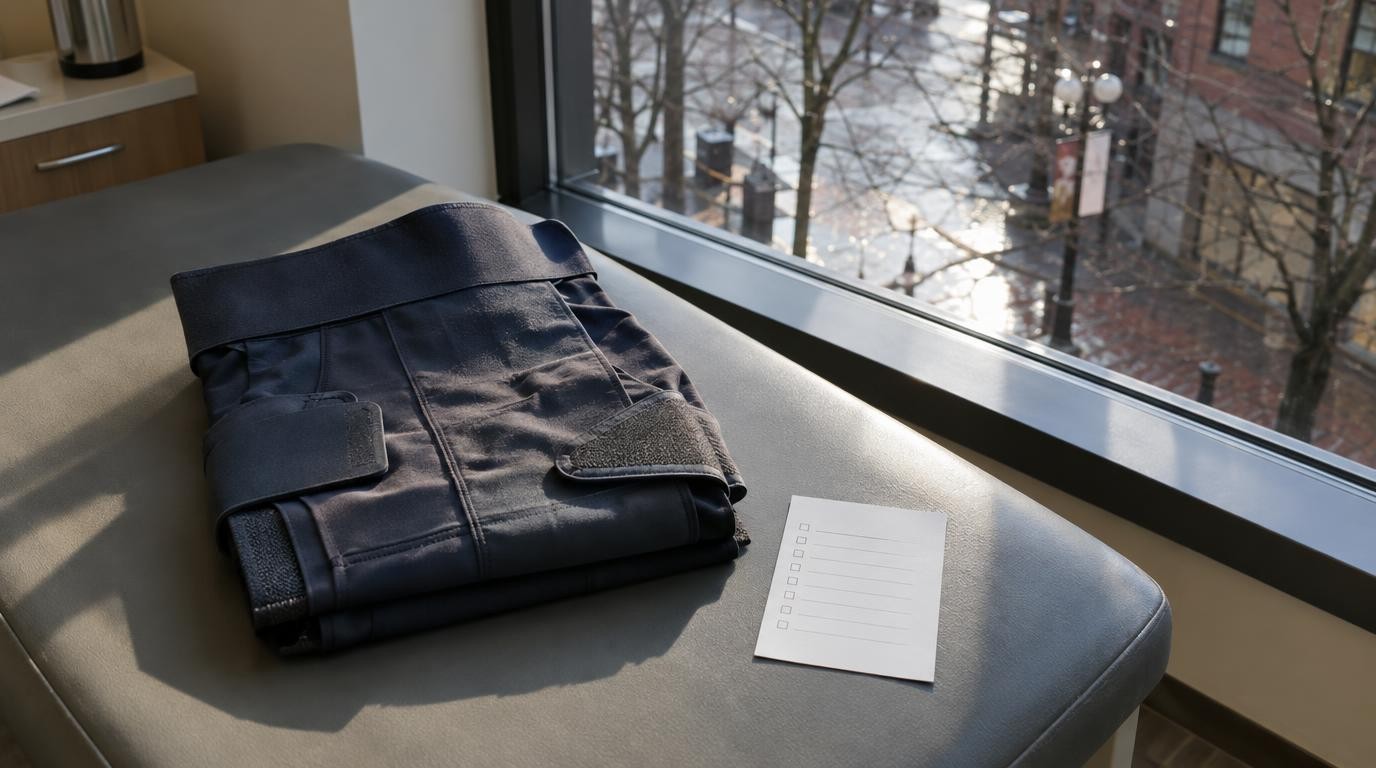
An American Society of Plastic Surgeons body lift guide places return to work around weeks four to five and a gradual return to normal activity from week six onward. These are general benchmarks, not a schedule for every patient. Your operation, job demands, healing, and surgeon’s clearance determine when you can return to work and exercise. At La Belle Vie Cosmetics, complete body lift aftercare includes rest, a supportive compression garment, and a gradual return to activity.
Early swelling, bruising, and discomfort are expected. Your aftercare instructions determine how to care for incisions, manage any drains, and increase activity without placing too much strain on healing tissues.
How long does recovery take after a complete body lift?
At La Belle Vie Cosmetics, most complete body lift patients can stand upright within a few days and return to light activities in two to three weeks. Resuming strenuous activity or exercise may take six to eight weeks, subject to surgeon clearance. Those are our general recovery expectations, not a schedule to follow regardless of how an individual patient heals.
Where might incisions and scars be placed?
A tummy tuck typically leaves a lower abdominal scar and, if the belly button is repositioned, a scar around it. An extended tummy tuck carries the lower incision around the flanks; a posterior lift places its incision toward the back, while a complete lower body lift can require an incision around the lower torso. The American Society of Plastic Surgeons’ body lift procedure guidance explains that incision length and pattern depend on the location and amount of excess skin. Some visible scars remain after healing; our guide to tummy tuck scars covers abdominal scar placement in more detail.
What Risks and Side Effects Should You Discuss Before Surgery?
Swelling and bruising are expected after body-contouring surgery, while possible complications include bleeding, infection, fluid collections, wound-healing problems, visible scars, altered sensation, blood clots, and anesthesia complications. Risk varies with the operation and the patient’s health.
A 2026 retrospective analysis of circumferential lower body lifts in patients with BMI below 30 who underwent a tissue-preserving surgical technique reported the following findings. The results describe that study’s patients and surgical technique; they are not a prediction of an individual patient’s risk.
| Measure | Finding in the linked analysis |
|---|---|
| Patients reviewed | The 2026 analysis included 110 patients. |
| Overall complications | The 2026 analysis reported a 7.3% overall complication rate. |
| Fluid collections requiring aspiration | The 2026 analysis reported seromas in 2.7% of patients. |
| Bleeding under the skin (hematoma) | The 2026 analysis reported hematoma in 0.9% of patients. |
| Infection | The 2026 analysis reported infection in 0.9% of patients. |
| Wound separation (dehiscence) | The 2026 analysis reported wound dehiscence in 2.7% of patients. |
| Deep vein thrombosis | The 2026 analysis reported one case, or 0.9% of patients. |
Seek urgent medical attention for shortness of breath, chest pain, or an unusual heartbeat after surgery, as advised in the American Society of Plastic Surgeons’ body lift recovery guidance. Discuss your own medical history, medications, healing concerns, and individual risks with your clinician before deciding on surgery.
Who should postpone or avoid a body lift?
A person planning substantial weight changes may be better served by waiting until weight is stable. If you are considering a future pregnancy, postponing a tummy tuck—including the abdominal portion of our complete body lift—may help avoid changes that diminish the abdominal result. Smoking or a medical condition that raises surgical risk may also make surgery inappropriate or mean it should be postponed. Candidacy requires an individual assessment rather than a decision based only on where loose skin appears.
What Results Can You Expect After a Tummy Tuck or Body Lift?
A tummy tuck aims for a flatter, firmer abdominal contour, while our complete body lift aims for broader improvement across the abdomen, buttocks, and outer thighs. Neither operation is a weight-loss treatment. Swelling gradually subsides and contours refine as healing progresses; stable weight and healthy habits help preserve improvements without guaranteeing that body shape will never change.
Can I lose weight after a tummy tuck?
Yes, weight can change after a tummy tuck, but surgery should not be used as a plan for losing weight. If substantial weight loss is planned, discuss that goal before scheduling: later weight changes can affect skin laxity and diminish the contour achieved by surgery. A stable weight provides a clearer starting point for choosing an approach.
How might a complete body lift affect everyday comfort?
After healing, removing excess skin across the abdomen, buttocks, and outer thighs may make clothing and movement more comfortable. How much difference you notice depends on where your skin is loose and which areas your surgical plan addresses.
Frequently Asked Questions
What happens 10 years after liposuction?
Removed fat cells remain gone after liposuction, but remaining fat cells can enlarge if you gain weight, so your contour can change over the years. An article on the American Society of Plastic Surgeons website explains that maintaining your weight helps sustain results. With substantial weight gain, new fat cells can also develop, including in treated areas.
What is the hardest plastic surgery to recover from?
There is no single hardest procedure to recover from for everyone. In an article on the American Society of Plastic Surgeons website, a surgeon describes inner thigh lift recovery as especially demanding after major weight loss, estimating six to eight weeks before most discomfort subsides. Recovery from a lower body lift depends on the procedures performed and individual healing.
Can I lose 20 pounds after a tummy tuck?
Yes—you can lose 20 pounds through later weight-loss efforts, but a tummy tuck itself should not be expected to take 20 pounds off the scale. A change of that size can affect your abdominal contour differently depending on your starting weight and how well your skin contracts.
Does a lower body lift tighten the inner thighs?
Not automatically. A lower body lift may address different thigh areas, but inner-thigh treatment depends on the surgical plan. The American Society of Plastic Surgeons notes that body lifts may include the inner, outer, or posterior thighs. At La Belle Vie Cosmetics, our complete body lift includes an outer thigh lift, not an automatic inner thigh lift.
Will a tummy tuck or lower body lift remove stretch marks?
Neither procedure removes every stretch mark. The American Society of Plastic Surgeons explains that a tummy tuck may remove or improve marks located on excess skin that is excised, but it cannot correct stretch marks elsewhere. With a lower body lift, which marks might be removed depends on the skin targeted by your individual surgical plan.
Will my belly button be moved during an extended tummy tuck?
Typically, yes. An article on the American Society of Plastic Surgeons website describes repositioning and reshaping the belly button during an extended tummy tuck. If a lower body lift includes an extended tummy tuck, that step is typically part of its abdominal component; other abdominal techniques may differ.
When will I see the final results of a lower body lift?
A body lift’s initial contour is visible almost immediately, but final results may take one to two years to fully develop, according to the American Society of Plastic Surgeons. Swelling and healing change the appearance over time. At La Belle Vie Cosmetics, we expect contours to become more refined over the months following a complete body lift.
How Can Bellevue Patients Decide Which Surgical Plan Fits?
Start by identifying whether loose skin is mainly on the abdomen, behind the waist and buttocks, or around the lower torso. That location helps frame a discussion of tummy tuck, posterior body lift, or complete body lift options. Muscle tightening, likely scars, recovery support, and whether procedures should be combined or staged also belong in the plan.
If you are coming from Bellevue, La Belle Vie Cosmetics in Seattle can help you compare those options without assuming that a broader operation is necessary. Contact La Belle Vie Cosmetics at 206-575-0300 to arrange a consultation with Dr. Tony Mangubat and review your goals, anatomy, and a personalized recommendation.
This information is general and is not medical advice. Talk to a licensed clinician about your own situation before making a treatment decision.
About the doctors at La Belle Vie Cosmetics
Dr. Tony Mangubat, MD – Board-certified cosmetic surgeon, chief surgeon and medical director since 1987.
Dr. Lena Weinman – Cosmetic surgeon (cosmetic surgery fellowship with Dr. Mangubat, 2024); board-certified by the American Osteopathic Board of Obstetrics and Gynecology.
